Home/Literary Panorama/
Back
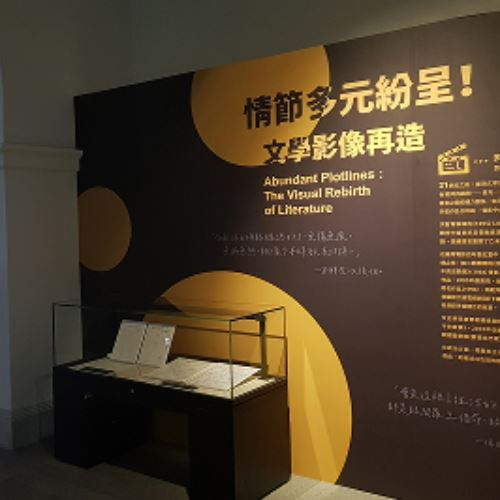
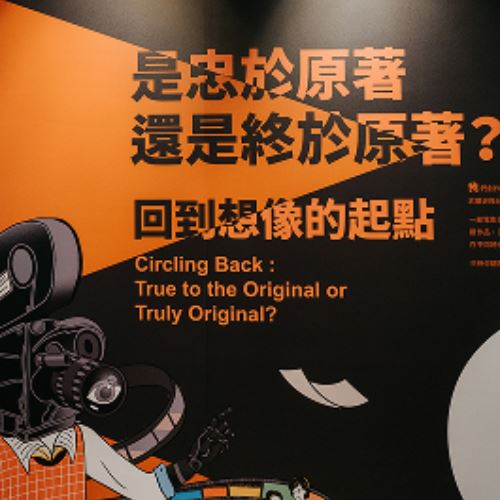
Rewriting the Script: Unexpected Twists in Taiwan Literature and Screen Media



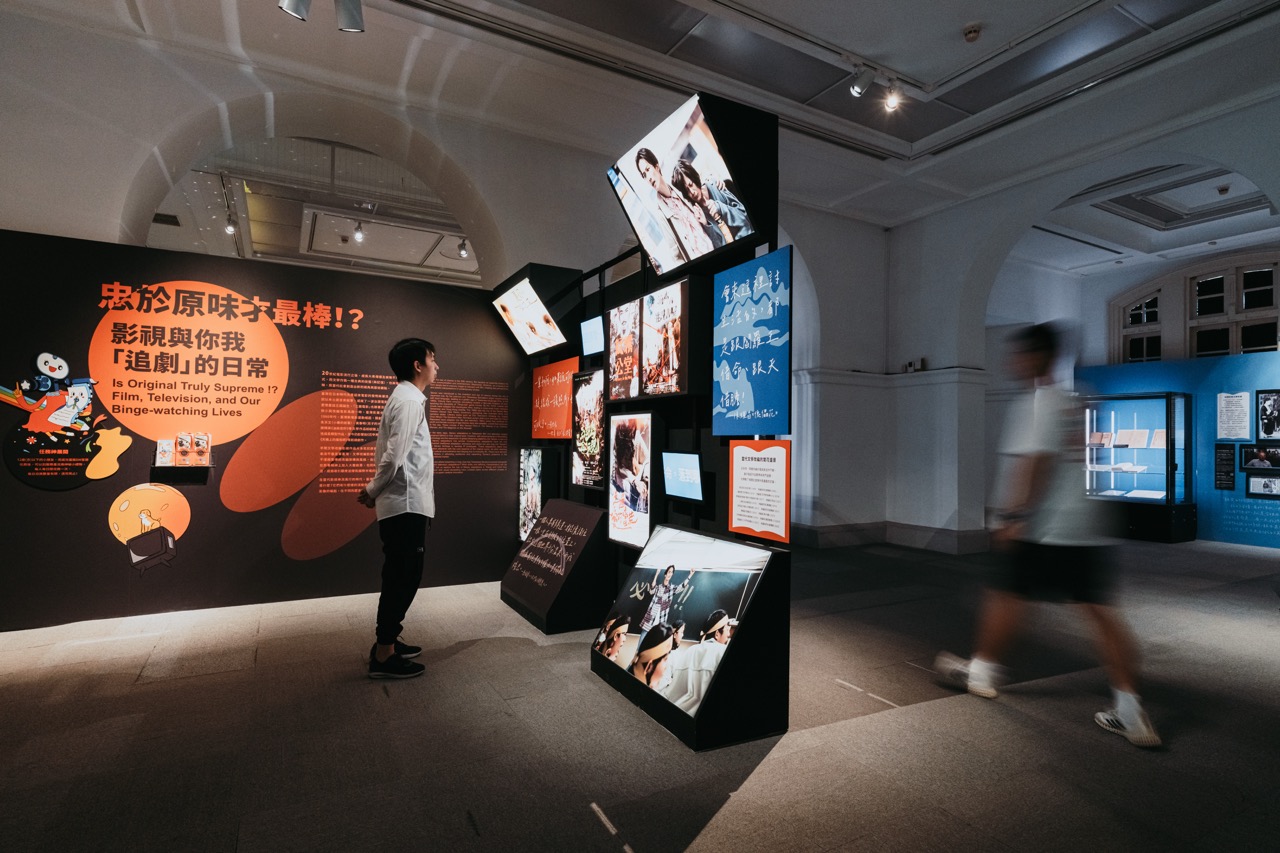
 Is Original Truly Supreme?
After cinema rose to popularity in the 20th century, it became an indispensable medium of mass communication and entertainment. Literature, as both a classical craft and a vessel of memory, intertwined with film, reflecting and reshaping one another to open new perspectives and artistic viewpoints for contemporary society.
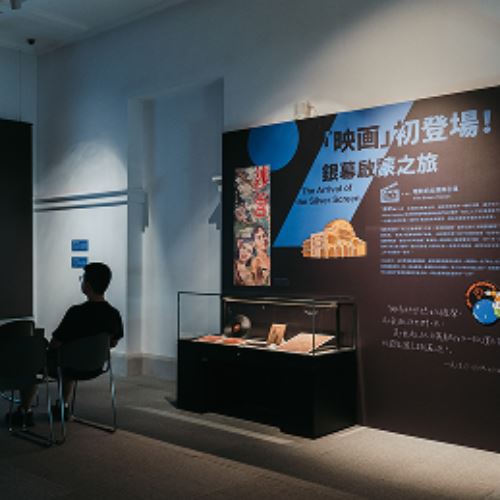
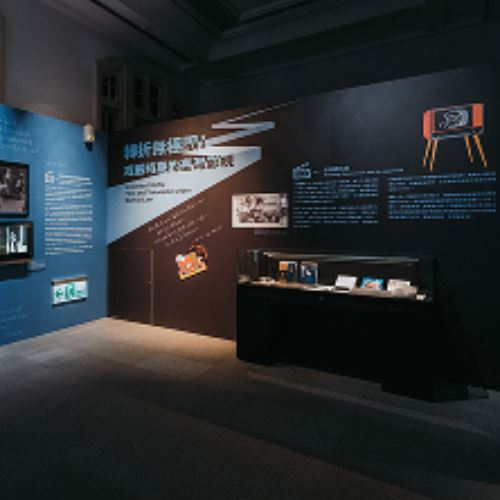
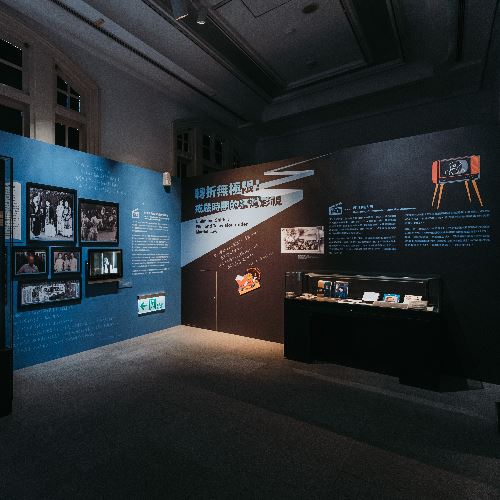
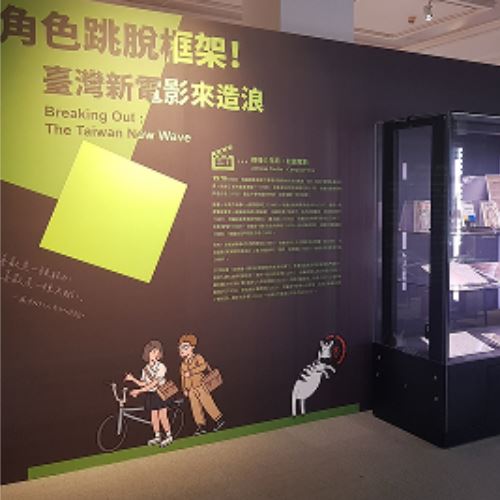
The invention of cinema and its trend first arrived in Taiwan during the Japanese colonial era. After the war, local filmmakers began telling stories in native languages, ushering in a golden age of Taiwanese-language cinema. In the 1960s, Chiung Yao’s kingdom of romantic love took root, while “Three-Hall Films” became widely popular. The 1970s witnessed a boom in martial arts adaptations, as Taiwan’s film industry competed vigorously with Hong Kong across the strait. In the 1980s, the Taiwanese New Cinema movement emerged, pioneering fresh forms and languages of cinema. Literary works such as Chu Tien-wen’s Growing Up, Huang Chun-ming’s His Son's Big Doll, Pai Hsien-yung’s Jade Love, and Liao Hui-ying’s Rapeseed all found their way to the screen. Stories of youth and female coming-of-age in particular continue to resonate in contemporary productions such as Back to the Good Times, The Making of an Ordinary Woman, and The Magician on the Skywalk.
Early literary adaptations for film and television largely adhered faithfully to the source texts. But with advances in technology and the arrival of international streaming platforms, adaptations entered a new chapter. Contemporary works not only subvert traditional forms and styles of adaptation, but also excavate intellectual property from the fertile ground of Taiwan literature. They infuse the original spirit with bold creativity, while preserving local cultural features and staying close to everyday life - key elements in attracting audiences and expanding into international markets.
In today’s flourishing streaming era, what is the trajectory of Taiwan literature as adapted for film and television? What transformations and defining features can we observe? Let us trace, across different historical stages, the rise of literary adaptations, their shifting imagery, and the sparks ignited where the two art forms intersect.
[The Flourishing Scene of Contemporary Literature Adaptations]
In recent years, numerous acclaimed television adaptations of contemporary literature have continued to appear, with nearly every production generating popular discussion and prompting reflection on related social issues.
Hou Wen-yong The Hospital (1999) → adapted into the drama of the same name (2006)
Yang Fu-min A Boy Named Flora A (2010) → adapted into Back to the Good Times (2018)
Liao Yun-pan memoir (Writing Whatever Comes to Mind) (2017) → adapted into Gold Leaf (2021)
Goose Chiang The Making Of An Ordinary Woman (2016) → adapted into the drama of the same name (2019)
Wu Ming-yi The Magician on the Skywalk (2011) → adapted into the drama of the same name (2021)
Chen Yao-chang Lady the Butterfly (2016) → adapted into Seqalu: Formosa 1867 (2021)
Cheng Hui-wen (The Fourth Victim) (2015) → adapted into The Victims’ Game (2020)
Tang Fu-jui Port of Lies (2021) → adapted into the drama of the same name (2023)

Adviser / Ministry of Culture
Organizer / National Museum of Taiwan Literature
Co-organizer / Taiwan Film and Audiovisual Institute

1. Privacy protection policy.
Personal privacy has become the main concern of users when browsing in the online world. The National Museum of Taiwan Literature (hereinafter referred to as the museum) has specially created a privacy protection policy. How to collect and use data", "Cookies, IP address", and "Protection and Use of Personal Data" to explain and declare:
(1) How to collect and use personal data:
In order to provide you with the best on this website The website service, according to different pages, will ask you to provide relevant personal information. The scope is as follows: This website is when you use the system function forms such as e-newslet subscription, group tour reservation, event registration, joining literary friends and publishing seminar information , Will retain the name, email address, contact method and usage time you provided.
(2) Cookies and IP Address:
When a user visits this website, the server will record relevant behaviors by itself, including the IP address of the connected device, time of use, browser used, browsing and click data records Etc., as a reference for us to improve our website services, this record is an internal application and will never be published.
(3) Protection and utilization of personal data:
The hosts of this website are equipped with various information security equipment such as firewalls, anti-virus systems and necessary safety protection measures to protect the website and your personal data. We adopt strict protection measures. Only authorized personnel can access your personal data. The relevant processing personnel have signed confidentiality contracts. Anyone who violates confidentiality will be punished by relevant laws.
Although this website will do its utmost to maintain the user’s personal data (not misused or disclosed), because the transmission of network data cannot ensure 100% security, this website cannot be sure or guarantee that the user’s or The data we send to users is completely secure. Regarding the above risks, users must be asked to bear them.
Unless you obtain your consent or other special provisions of laws and regulations, this website will never expose your personal data to a third party or use it for other purposes than the collection purpose.
2. Information Security Policy
The National Museum of Taiwan Literature (hereinafter referred to as the museum) respects and protects your security and privacy protection while using the Internet, in order to help you understand how the "National Museum of Taiwan Literature Global Information Network" protects your use of various services on this website For security, and how to collect, apply and protect the personal information you provide, please read the privacy protection and security policy of the "National Taiwan Literature Museum Global Information Network". Please read the following instructions carefully. You are also welcome to tell us your thoughts. If you have any comments or questions, please E-mail to twp@nmtl.gov.tw for
any unauthorized attempts to upload or modify the information provided by the library All services and related information activities are strictly prohibited and may violate the law. For site security purposes and to ensure that the service will continue to serve all Internet users, this site provides the following security measures:
. Use a network intrusion detection system to monitor network traffic to identify unauthorized attempts to upload or change, web page information, or sabotage.
. Install a firewall to prevent illegal intrusion, destruction, or theft or destruction of data, to avoid illegal use of the website, and to protect the rights of users.
. Install anti-virus software to scan for viruses regularly to provide users with a safer web browsing environment.
. Simulate hacker attacks from time to time, exercise system response procedures when security incidents occur, and provide appropriate security defense levels.