Home/Literary Panorama/Rewriting the Script: Unexpected Twists in Taiwan Literature and Screen Media /
Back
Unlimited Shifts: Film and Television under Martial Law (1)
 Unlimited Shifts:
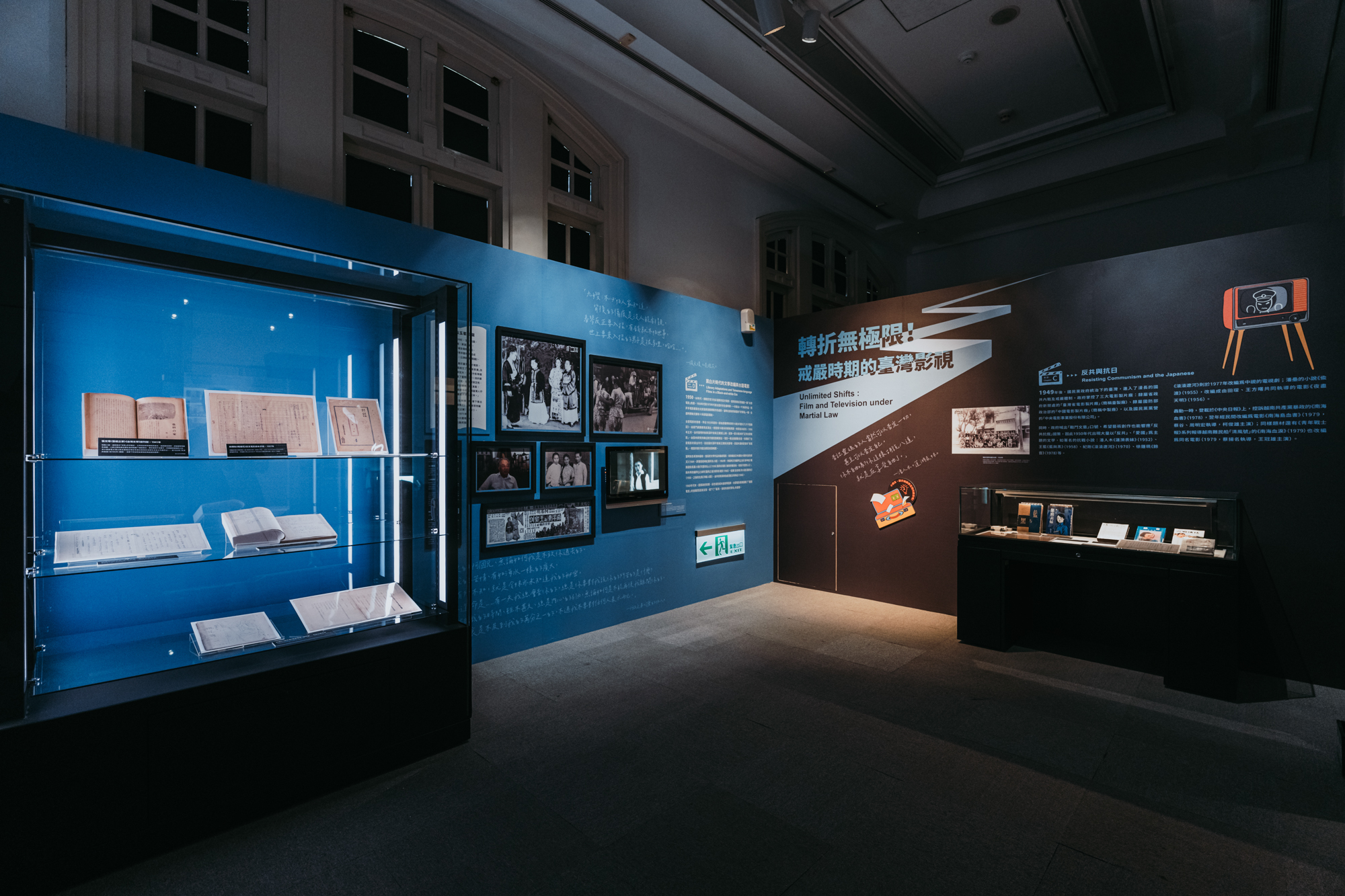

 Resisting Communism and the Japanese
After 1949, under Kuomintang rule, Taiwan entered a prolonged period of civil war and martial law. The government took control of three major film studios: the Taiwan Film Culture Co., or formerly the Taiwan Provincial Film Studio under the Provincial Information Office, the China Movie Studio under the Political Warfare Bureau of the Ministry of National Defense, and the party-run Central Pictures Corporation.
Meanwhile, the state promoted “combat literature and art,” urging writers and filmmakers to echo its anti-communist and anti-Soviet policies. This gave rise in the 1950s to a wave of patriotic and anti-communist works, such as Pan Jen-mu’s Cousin Lian-yi, published in 1952, Wang Lan’s The Blue and the Black, published in 1958, Chi Kang’s Rolling Liao River, published in 1970, and Hsu Chung-pei’s Echoes, published in 1978.
Chi Kang’s Rolling Liao River was later adapted into a CTV television series in 1977. Pan Lei’s novel Stow Away, which was published in 1955, became the film From Dusk till Dawn, released in 1956, directed by Tien Chen and Wang Fang-shu.
The sensational A Blood Letter From Nanhai, serialized in the Central Daily News in 1978 as an indictment of Vietnamese communism, was adapted the following year into the film A Blood Letter From Nanhai Island, directed by Tsai Ku and Chou Ming-hung, starring Ko Chun-hsiung. A related report series in Youth Daily News published in 1979 on the refugee boat “Qingfeng” became the basis for Nanhai Tears, adapted into film by director Tsai Yang-ming and starring Wang Kuan-hsiung.
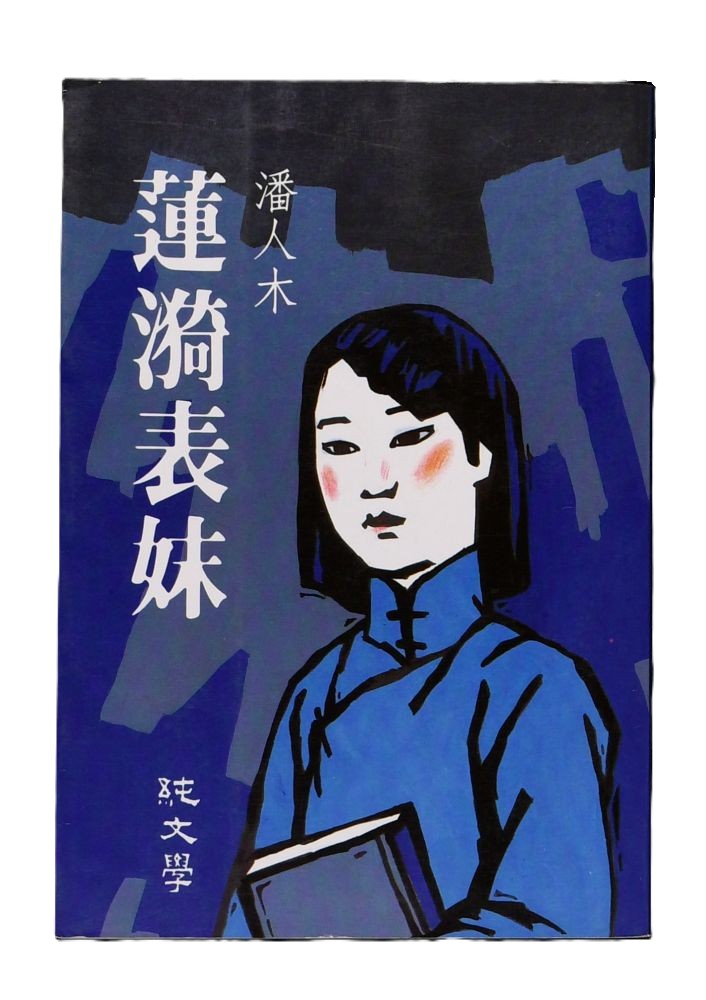
Pan Jen-mu Cousin Lian-yi (1985) / Collection of National Museum of Taiwan Literature
Pan Jen-mu’s first full-length novel, originally published in 1952. This copy is the second edition, first printing, published by Belles-Lettres Publishing House.
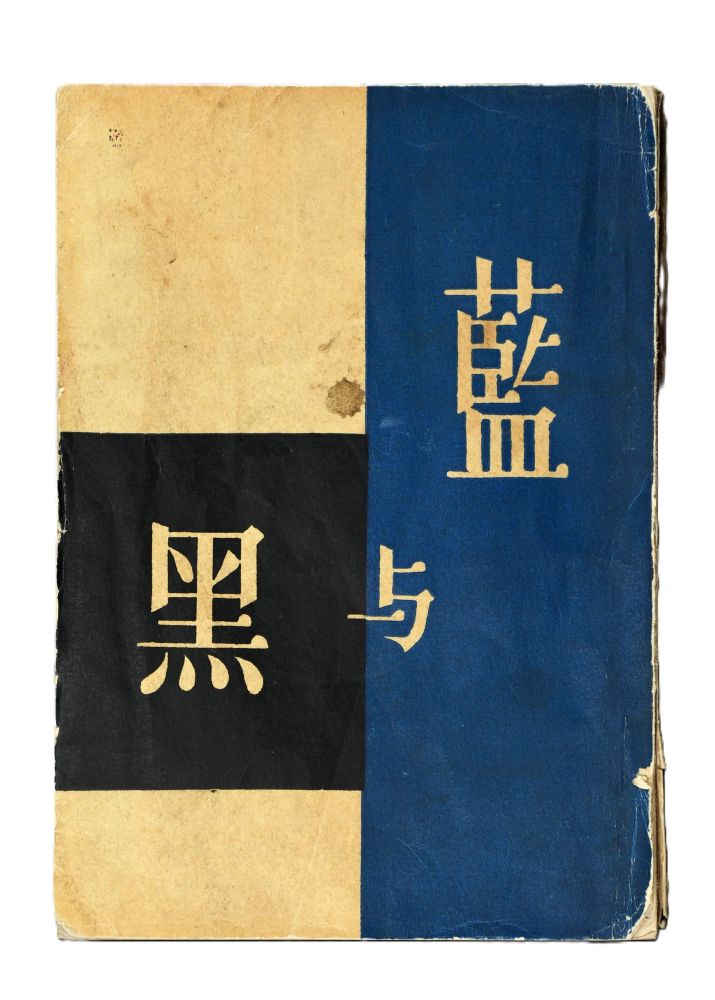
Wang Lan, The Blue and the Black (1958) / Collection of National Museum of Taiwan Literature
Filmed on location in Taiwan by Hong Kong’s Shaw Brothers Pictures International Limited, later adapted into a film of the same name (1966, directed by Doe Ching, starring Lin Dai and Kwan Shan), and subsequently reimagined into television series and stage plays.
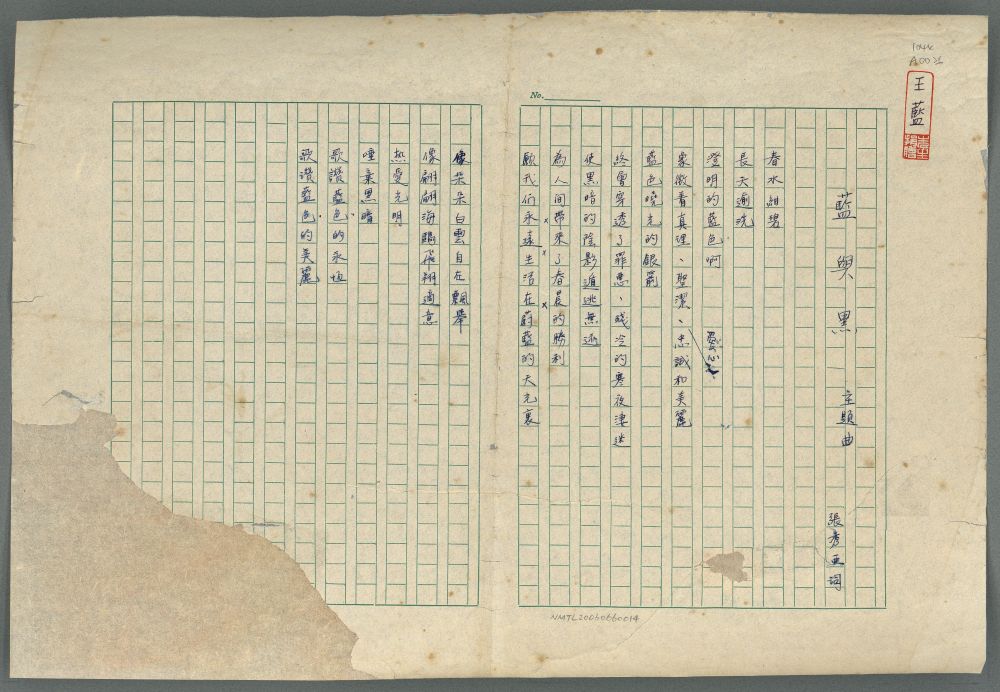
Chang Hsiu-ya, The Blue and the Black (Theme Song Lyrics, 1970) / Collection of National Museum of Taiwan Literature
Wang Lan's The Blue and the Black was adapted into a television series by TTV in 1970, starring Chang Ping-yu, Sally Chen, Tien Wen-chung, Sun Yueh, and others, and re-adapted by CTS in 1985.
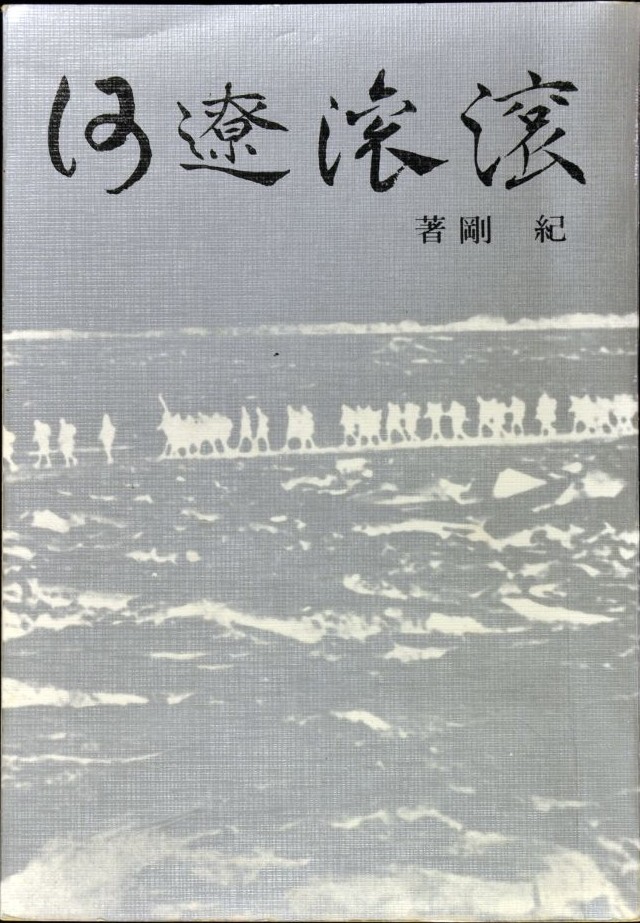
Chi Kang, Rolling Liao River (1977) / Collection of The National Museum of Taiwan Literature
A full-length novel by Chi Kang, originally published in 1969.Published by Belles-Lettres Publishing House.
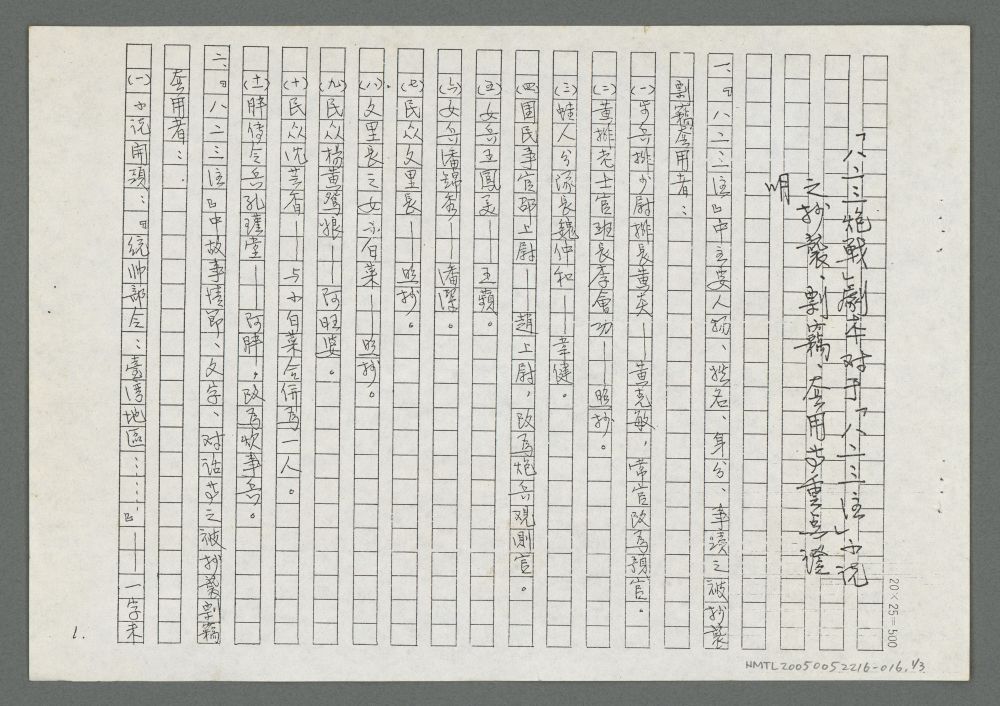
Chu Hsi-ning, Manuscript on Plagiarism Accusation against The Battle of Kinmen (Photocopy, Date Unknown)
/ Collection of The National Museum of Taiwan Literature
The 1986 film The Battle of Kinmen, directed by Ting Shan-hsi, was accused by Chu Hsi-ning of plagiarizing his novel The 823 Chronicle. In this manuscript he documented multiple points of evidence and filed formal charges; a settlement with the film company was reached the following year.
 Literary Adaptations and Taiwanese-language Films in a Black-and-white Era
In contrast to the heavily propagandist anti-communist films, the 1950s and 1960s saw a surge of Taiwanese-language cinema. Between the 1950s and 1970s, over a thousand Taiwanese-language films were produced, many of which were shot in hot spring inns in Beitou, hailed as Taiwan’s “Hollywood,” with more than ten productions often beginning each day.
The origins of Taiwanese-language cinema can be traced back to 1955, when director Shao Lo-hui made the 16mm The Romance of the Western Chamber, performed by the Xiamen Tuma Opera Troupe. Technical issues prevented wide distribution, but in 1956, Ho Chi-ming directed Hsueh Ping-kuei & Wang Pao-chuan, the first true 35mm Taiwanese-language film, performed by the Yunlin Mailiao Gongle Opera Troupe. The film was a nationwide sensation and inaugurated the golden era of Taiwanese-language cinema. Today, the only surviving film reel of Hsueh Ping-kuei & Wang Pao-chuan is a dubbed Hakka-language version with the opera songs sung in Hakka.
Director Lin Fu-ti gained recognition for adapting literary works into films, including the Japanese popular novel Konjiki Yasha, which was published in 1964 by Ozaki KOYO. In the same year, he adapted Aqzhidi (Hsu Kun-chuan)’s bestselling popular full-length novel Adorable Enemy, which was published in 1936, into a film, which was retitled Adorable Person after government censorship. The following year, he also brought Aqzhidi’s The Way of Spirit and Flesh published in 1965 to the screen. Hung Chiao (Chin Hsing-chih)’s novel The Bar Girl, which was published in 1956 and later retitled The Human Comedy, was adapted by director Hsin Chi into Encounter at the Station, which was released in 1965.
By the late 1960s, however, due to government policy and the high costs of color filmmaking, Taiwanese-language cinema declined in the face of Mandarin-language films, leaving behind the lingering sentiment that “once, Taiwan had its own Hollywood.”
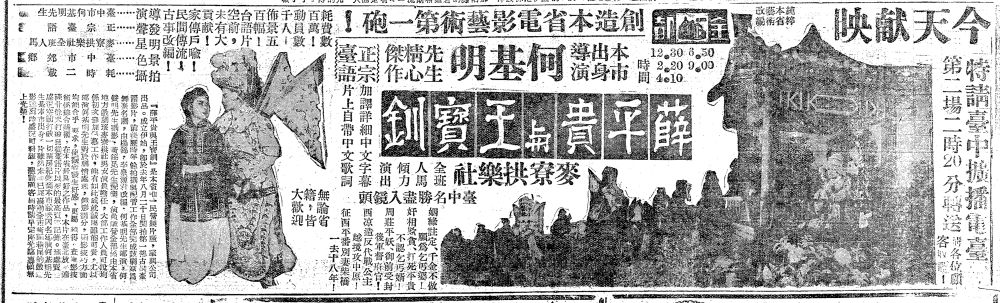
News advertisement for Hsueh Ping-kuei & Wang Pao-chuan, Min Sheng Daily (1956) / Collection of The Taiwan Film and Audiovisual Institute
Filmed in Caotun, Nantou in 1955, and reported on the third page of Taichung’s Min Sheng Daily News: “Hsueh Ping-kuei will be released next month, co-produced by local film and theater professionals, starring leading actors from Gongleshe.”
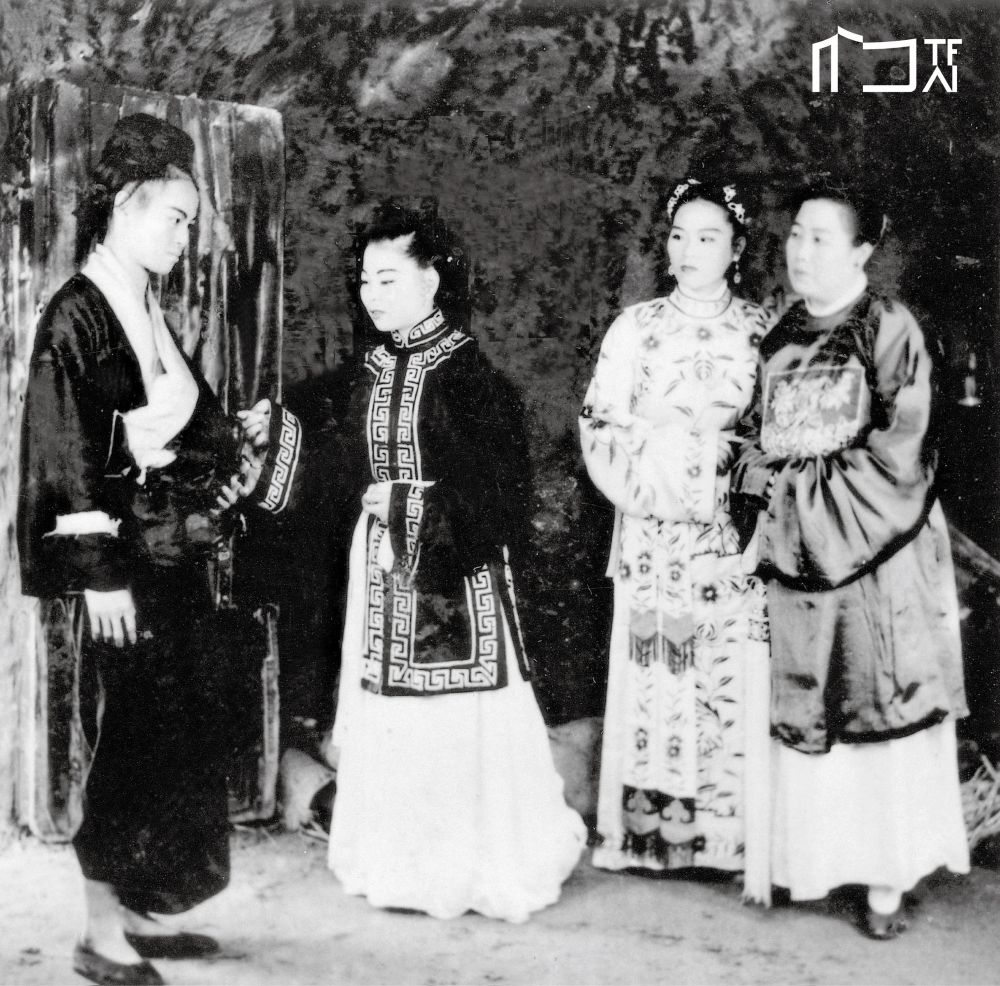
Film Stills from Love Amongst War Hsueh Ping-kuei & Wang Pao-chuan (1955) / Collection of the Taiwan Film and Audiovisual Institute
Filming of Hsueh Ping-kuei & Wang Pao-chuan began on August 20, 1955, making it the first Taiwanese-language film shot in 35mm.
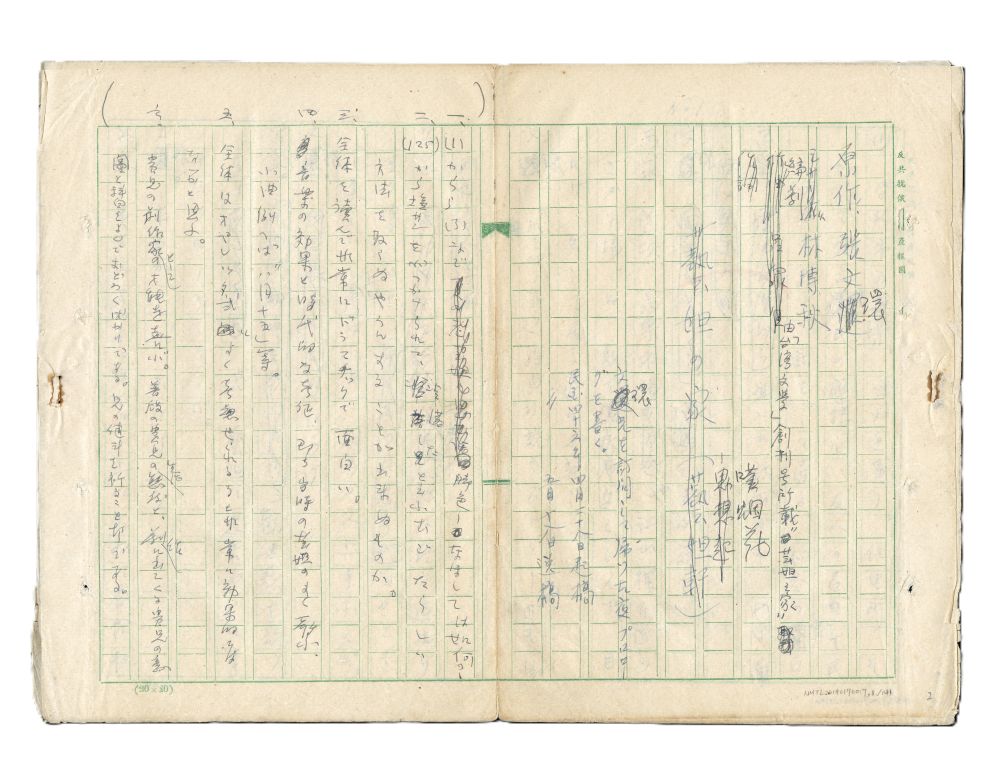
Chang Wen-huan The House of the Courtesan, Taiwan Literature, Inaugural Issue (1941) / Collection of The National Museum of Taiwan Literature
A short story depicting the hardships of the opera performer Tsai-yun. Adopted as a young girl due to her family’s poverty, the protagonist was manipulated by her adoptive mother for financial gain, losing both her chastity and the chance at a proper marriage. Devastated and feeling hopeless, she was pushed into a life as an opera performer under continued control. This novel stands as one of Chang Wen-huan’s major works portraying women’s lives under domination and their struggle for agency. From Buds at Dawn (1933) to The Capon (1942), the women in his fiction gradually transform from vulnerable and constrained to strong and resilient.
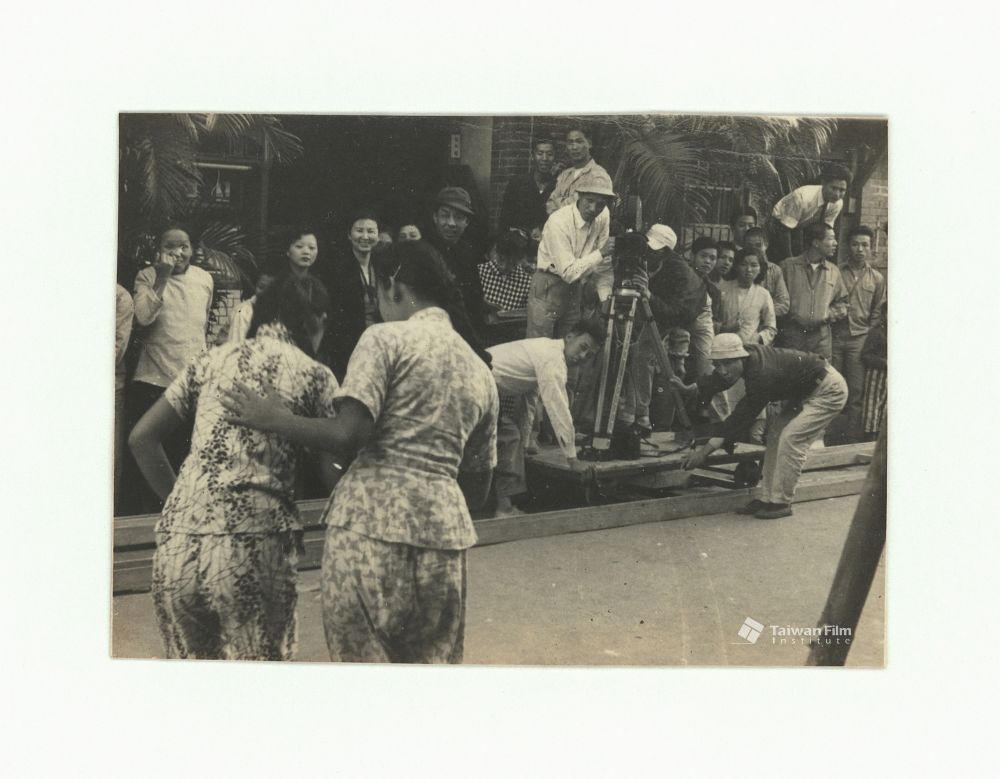
On-Set Group Photo from Sighing Fireworks (1959) / Collection / Lin Chia-yi; Digital object / Taiwan Film and Audiovisual Institute
Center, wearing a dark hat: director Lin Tuan-chiu; to his left: his wife, Lin-chiu Pao-yueh. At front left, back to camera: Yu Chun-yen; at front right: lead actress Chang Mei-yao.
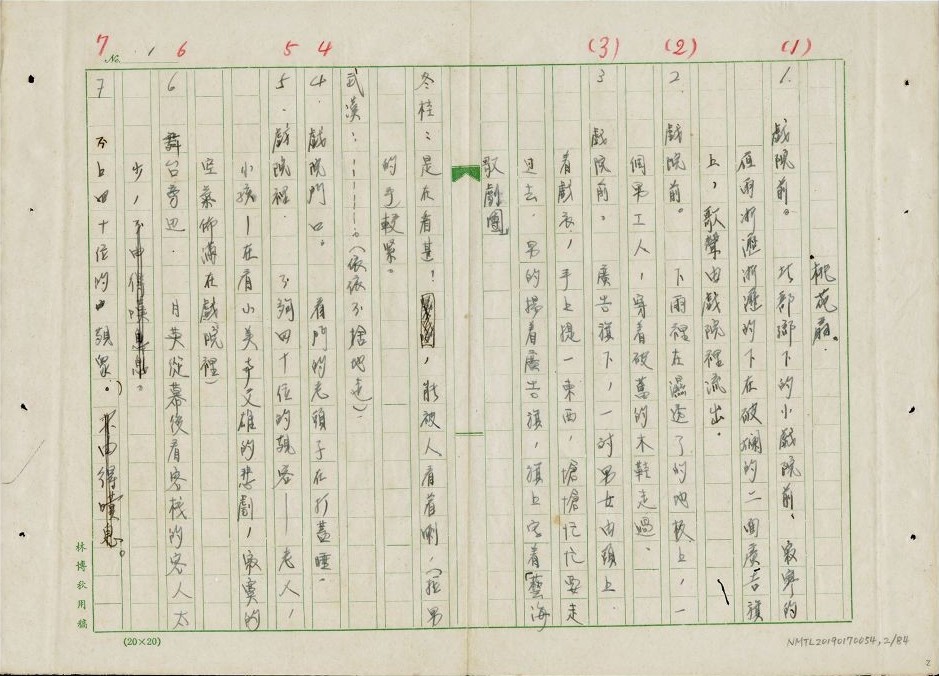
Lin Tuan-chiu The Peach Blossom Fan Script Manuscript (Date Unknown) / Collection of The National Museum of Taiwan Literature
Lin Tuan-chiu completed the creation of The Peach Blossom Fan in 1957, originally intended to be produced into a film by Yufong Film Company, but the project was never completed. The story depicts events among the members of the “Yihaige Opera Troupe” touring a northern town. The Peach Blossom Fan is the keepsake left by the troupe’s leading actress, Tung-kuei, to her husband before leaving the troupe.
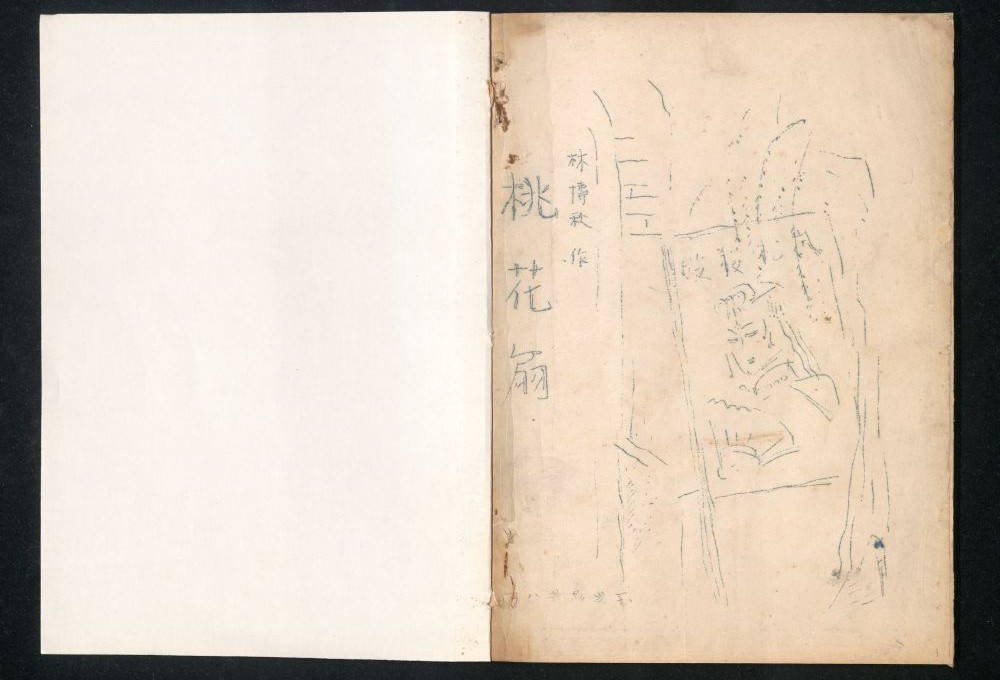
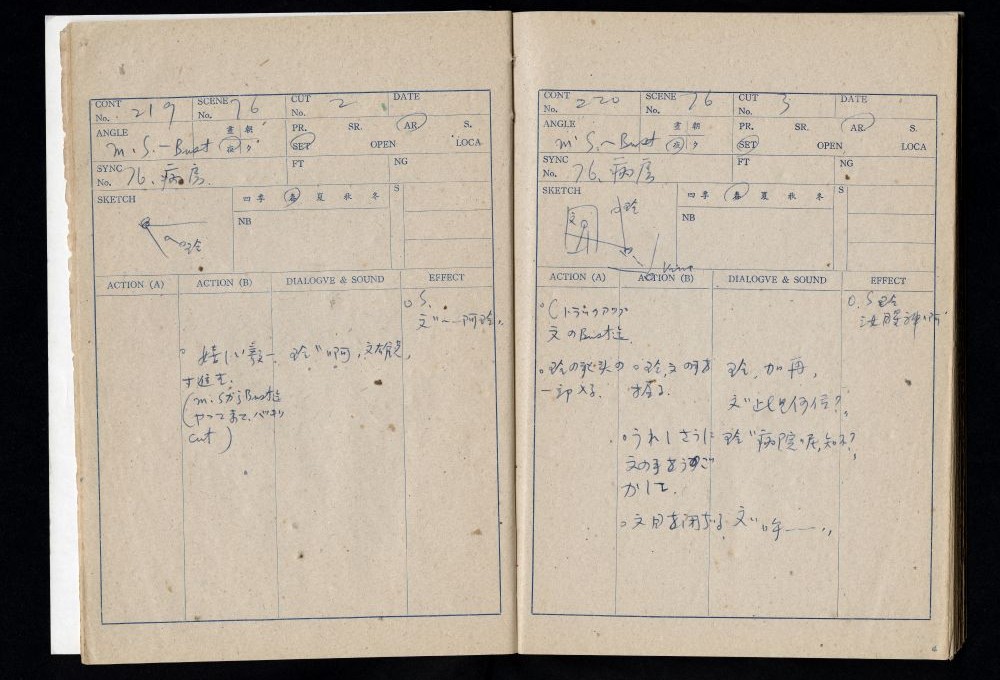
Lin Tuan-chiu The Peach Blossom Fan Handwritten Storyboard (Date Unknown) / Collection of The National Museum of Taiwan Literature
The inner cover includes a hand-drawn illustration, marked “Lin Po-chiu (i.e. Lin Tuan-chiu) editor, Yufong Film Company,” with text written in both Chinese and Japanese.
 Brother San Takes Action (Trailer, 1959)(Collection of The Taiwan Film and Audiovisual Institute)
Length: 5 min 11 sec
Narrated by hostess “Hsiaoli,” the trailor introduces the facilities of Yufong Film Company’s Hushan Studio and its basic acting training courses. It then presents the company’s founding mission: to contribute to Taiwanese cinema, to develop film art together with peers, and invites audiences to visit the film set. Collection of The Taiwan Film and Audiovisual Institute
[Lin Tuan-chiu and Yufong Film Company]
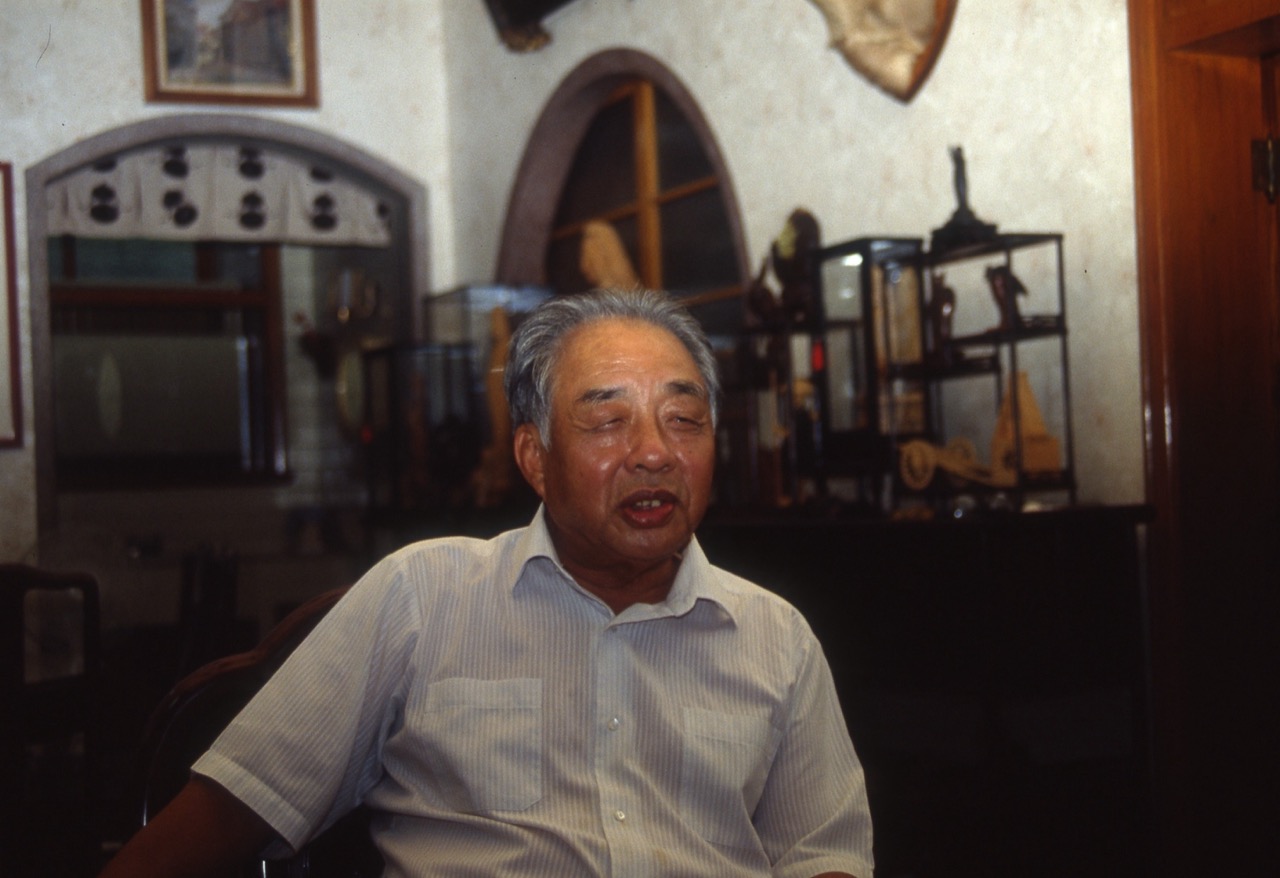
Lin Tuan-chiu (1920-1998), born in Taoyuan, came from a prosperous family; his father ran a mine. He loved theatre and film from a young age. In 1943, he co-founded the Kosei Theater Society with young artists, premiering the Shingeki play The Capon.
After the war, determined to make films for Taiwanese audiences, he founded Yufong Film Company and Hushan Studio in Taoyuan in 1958, surpassing state-run studios such as Central Motion Picture Corporation. He recruited top Taiwanese literary and artistic talents, including writer Chang Wen-huan, musicians Kuo Chih-yuan and Lu Chuan-sheng, and dancer Li Tsai-e, to train actors.Lin Tuan-chiu famously declared: “I refuse to believe that Taiwanese-language films made by Taiwanese in Taiwan cannot succeed.”
In 1959, under his direction, Yufong Film Company released Bro San Goes Into Action and Sighing Fireworks, the latter adapted from Chang Wen-huan’s short story "The House of Yi-dan" (1941). Unfortunately, due to a decline in Taiwanese-language cinema, the company closed in 1971.
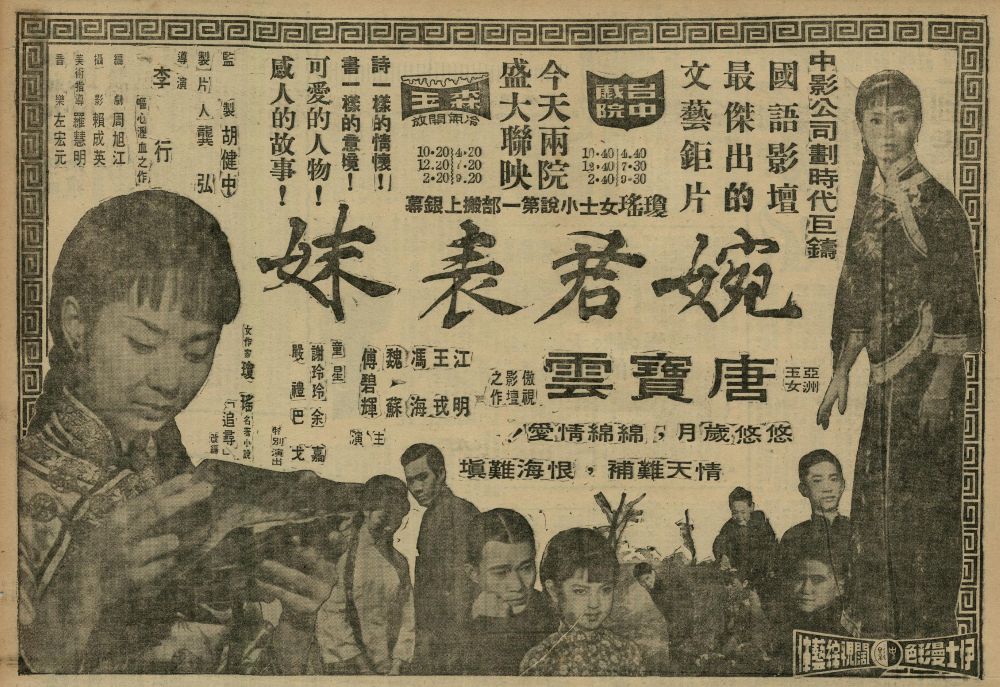
Four Loves newspaper ads (1965) / Collection of The Taiwan Film and Audiovisual Institute
Film Adaptation of Chiung Yao’s “Seeking” (from Six Dreams) This film adaptation of Chiung Yao’s "Seeking" is from the short story collection Six Dreams.” It portrays the emotional entanglements among three brothers and their cousin Wan-chun in the turbulent era before and after the Northern Expedition, revealing the inner struggles of women, especially in confronting marriage, caught between tradition and emancipation in early Republican China. Its success sparked the first wave of Chiung Yao novel adaptations in the 1960s. Actress Tang Pao-yun gained lasting recognition for her role as “Cousin Wan-chun” in addition to her earlier image as the “Duck-Raising Princess.” Child actors Pa Ko and Hsieh Ling-ling also stood out, while Wang Jung, who played the eldest brother, rose to stardom.
 Healthy Realism and Literary Films
In April 1963, Shaw Brothers Pictures International Limited of Hong Kong released the Huangmei opera film The Love Eterne, directed by Richard Li and starring Ivy Ling and Betty Loh. The film became an instant sensation, filling theaters across Taipei, and achieved a box office of 9 million. Ivy Ling emerged as a nationwide idol, and the film sparked a revival of Mandarin-language cinema. Director Richard Li later left Shaw Brothers to establish Grand Motion Pictures Co., Ltd. in Taiwan. With support from the Taiwan Film Culture Co., he directed the epic widescreen color film The Beauty of Beauties, which was released in 1965.
At the same time, Kung Hung, the new general manager of Central Motion Picture Corporation, promoted the concept of “Healthy Realism.” Modeled on Italian Neorealism - such as Vittorio De Sica’s The Stolen Bicycle - Kung Hung’s approach omitted depictions of social darkness. He defined “healthy” as morally uplifting and “realism” as grounded in rural life, focusing on grassroots society and telling bright, positive stories. Representative films include Oyster Girl, which was released in 1964 and co-directed by Li Hsing and Oscar Li, Beautiful Duckling, released in 1965 and directed by Li Hsing, and Orchids and My Love, released in 1966 and directed by Oscar Li.
After the 1960s, literary and cinematic collaborations grew increasingly prominent. Li Hsing directed Four Loves, which was released in 1965, and The Silent Wife, which was released in 1965, with each adapted from Chiung Yao’s Six Dreams - specifically the stories "Seek", published in 1963, and "Mute Wife", published in 1964. He Never Gives Up, released in 1978, was adapted from Cheng Feng-hsi’s autobiography of the same name, and Pai Ching-jui’s Home, Sweet Home, released in 1970, drew on Meng Yao’s The Flying Swallow Returns, published in 1969. These works remain classic examples of Healthy Realism adaptations.
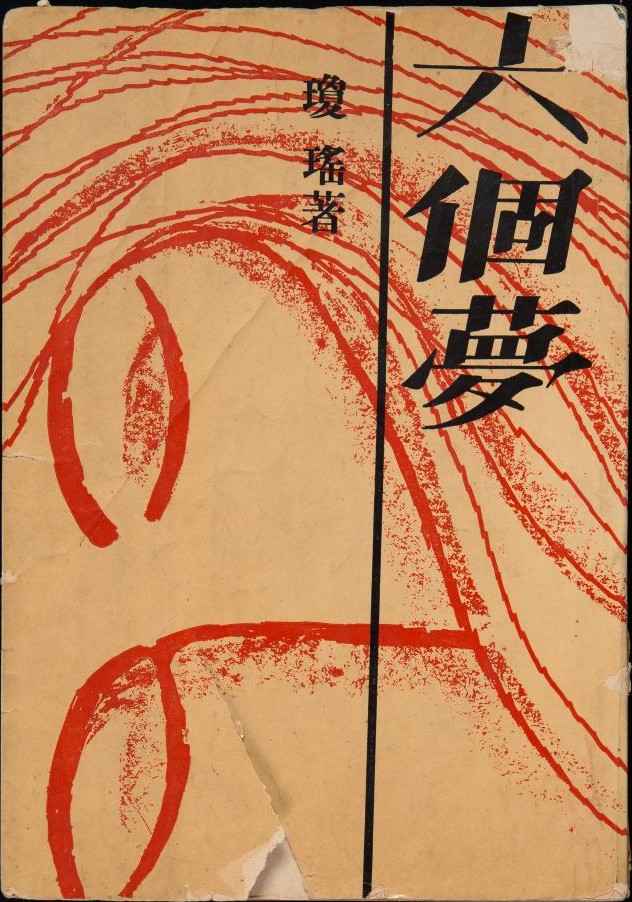
Six Dreams / Collection of The National Museum of Taiwan Literature
Filming scenes from Chiung Yao’s “Three-Hall Films” Television Adaptations of Chiung Yao’s Works (1980s–1990s) Even in the 1980s and 1990s, Chiung Yao’s works, such as Mist Over Dream Lake, Plum Blossom Trilogy, and A Curtain of Dreams, were adapted into TV dramas still achieved high ratings. The series Princess Returning Pearl swept both Taiwan and China, setting record-breaking ratings in China at the time.
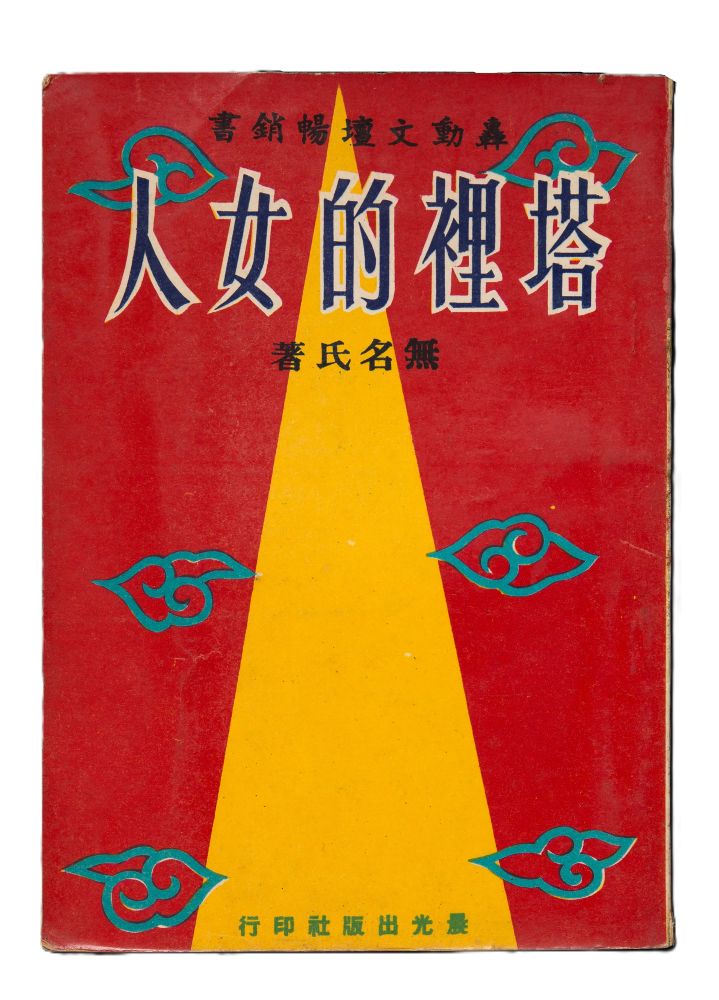
Wumingshi (Pu Ning) Lady in the Tower (1962) / Collection of The National Museum of Taiwan Literature
First edition published in 1945. The story tells a romantic story of a young violinist and a female student whose chance encounter and misunderstandings grow into a teacher-student bond, friendship, then love relationship, ending in heartbreak. In 1967, Lin Fu-ti directed and Li Han-hsiang produced a film adaptation.

1. Privacy protection policy.
Personal privacy has become the main concern of users when browsing in the online world. The National Museum of Taiwan Literature (hereinafter referred to as the museum) has specially created a privacy protection policy. How to collect and use data", "Cookies, IP address", and "Protection and Use of Personal Data" to explain and declare:
(1) How to collect and use personal data:
In order to provide you with the best on this website The website service, according to different pages, will ask you to provide relevant personal information. The scope is as follows: This website is when you use the system function forms such as e-newslet subscription, group tour reservation, event registration, joining literary friends and publishing seminar information , Will retain the name, email address, contact method and usage time you provided.
(2) Cookies and IP Address:
When a user visits this website, the server will record relevant behaviors by itself, including the IP address of the connected device, time of use, browser used, browsing and click data records Etc., as a reference for us to improve our website services, this record is an internal application and will never be published.
(3) Protection and utilization of personal data:
The hosts of this website are equipped with various information security equipment such as firewalls, anti-virus systems and necessary safety protection measures to protect the website and your personal data. We adopt strict protection measures. Only authorized personnel can access your personal data. The relevant processing personnel have signed confidentiality contracts. Anyone who violates confidentiality will be punished by relevant laws.
Although this website will do its utmost to maintain the user’s personal data (not misused or disclosed), because the transmission of network data cannot ensure 100% security, this website cannot be sure or guarantee that the user’s or The data we send to users is completely secure. Regarding the above risks, users must be asked to bear them.
Unless you obtain your consent or other special provisions of laws and regulations, this website will never expose your personal data to a third party or use it for other purposes than the collection purpose.
2. Information Security Policy
The National Museum of Taiwan Literature (hereinafter referred to as the museum) respects and protects your security and privacy protection while using the Internet, in order to help you understand how the "National Museum of Taiwan Literature Global Information Network" protects your use of various services on this website For security, and how to collect, apply and protect the personal information you provide, please read the privacy protection and security policy of the "National Taiwan Literature Museum Global Information Network". Please read the following instructions carefully. You are also welcome to tell us your thoughts. If you have any comments or questions, please E-mail to twp@nmtl.gov.tw for
any unauthorized attempts to upload or modify the information provided by the library All services and related information activities are strictly prohibited and may violate the law. For site security purposes and to ensure that the service will continue to serve all Internet users, this site provides the following security measures:
. Use a network intrusion detection system to monitor network traffic to identify unauthorized attempts to upload or change, web page information, or sabotage.
. Install a firewall to prevent illegal intrusion, destruction, or theft or destruction of data, to avoid illegal use of the website, and to protect the rights of users.
. Install anti-virus software to scan for viruses regularly to provide users with a safer web browsing environment.
. Simulate hacker attacks from time to time, exercise system response procedures when security incidents occur, and provide appropriate security defense levels.