Home/Literary Panorama/Rewriting the Script: Unexpected Twists in Taiwan Literature and Screen Media /
Back
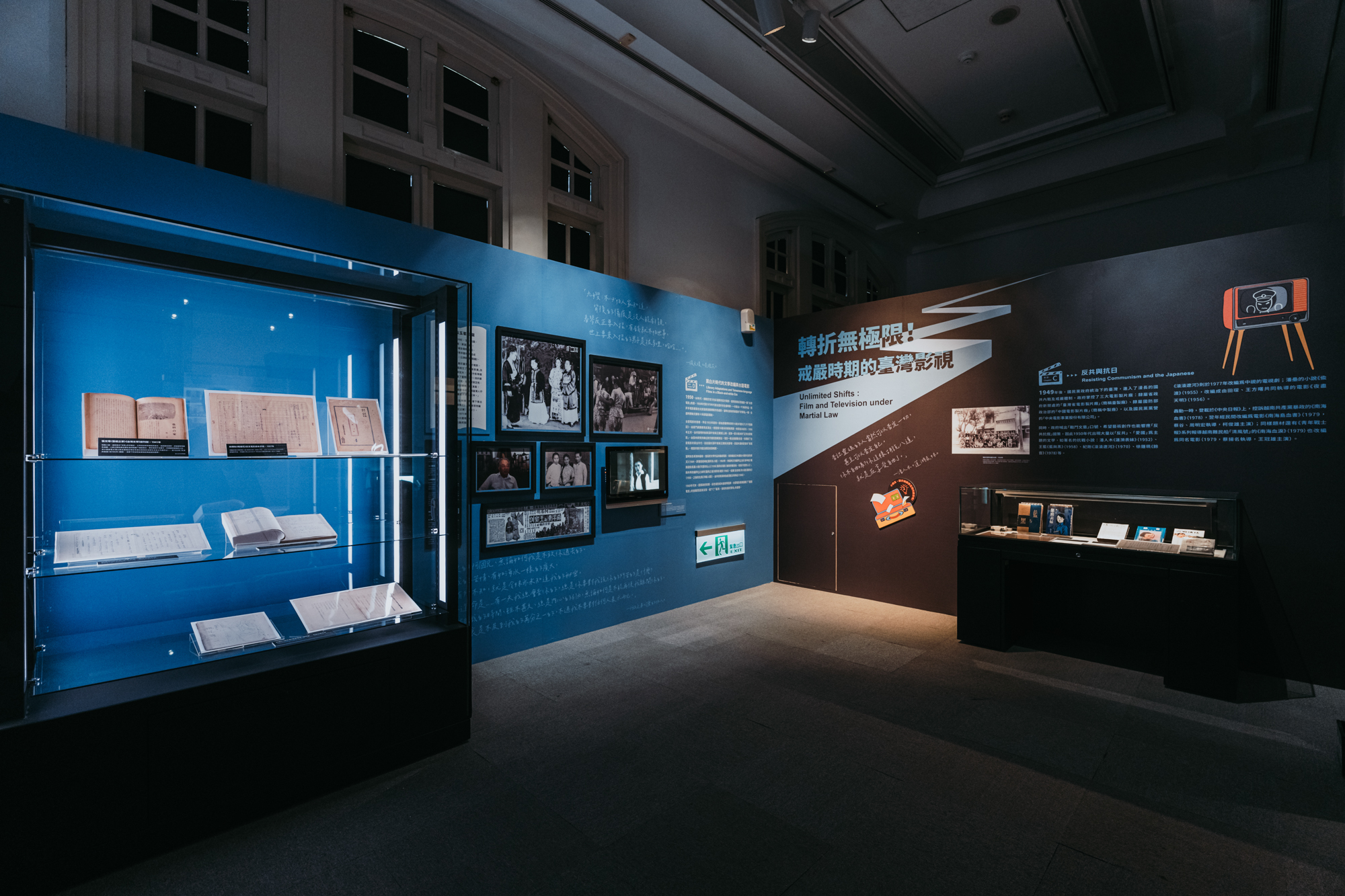
Unlimited Shifts: Film and Television under Martial Law (2)

 Unlimited Shifts:

 Chiung Yao's Kingdom of Love
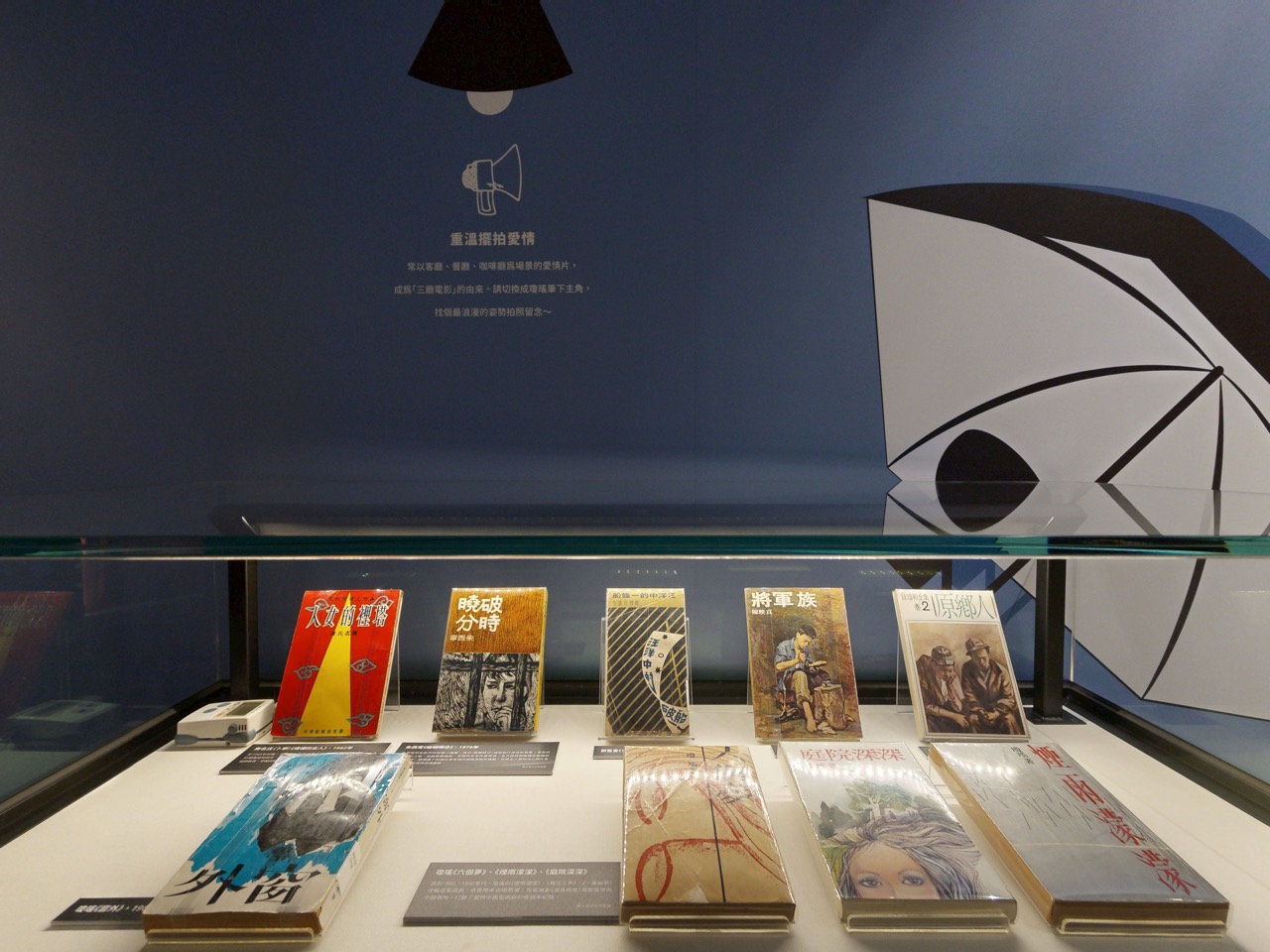
In July 1963, Chiung Yao’s semi-autobiographical novel Outside the Window began serialization in Crown Culture, provoking widespread enthusiasm. In August, theater worker Tsui Hsiao-ping adapted Chiung Yao’s "Seek" into the radio drama Wan-chun, launching the half-century-long “Chiung Yao Phenomenon.” This phenomenon went beyond romantic fairy tales, offering a psychological outlet for Taiwan’s populace during a time of social restraint.
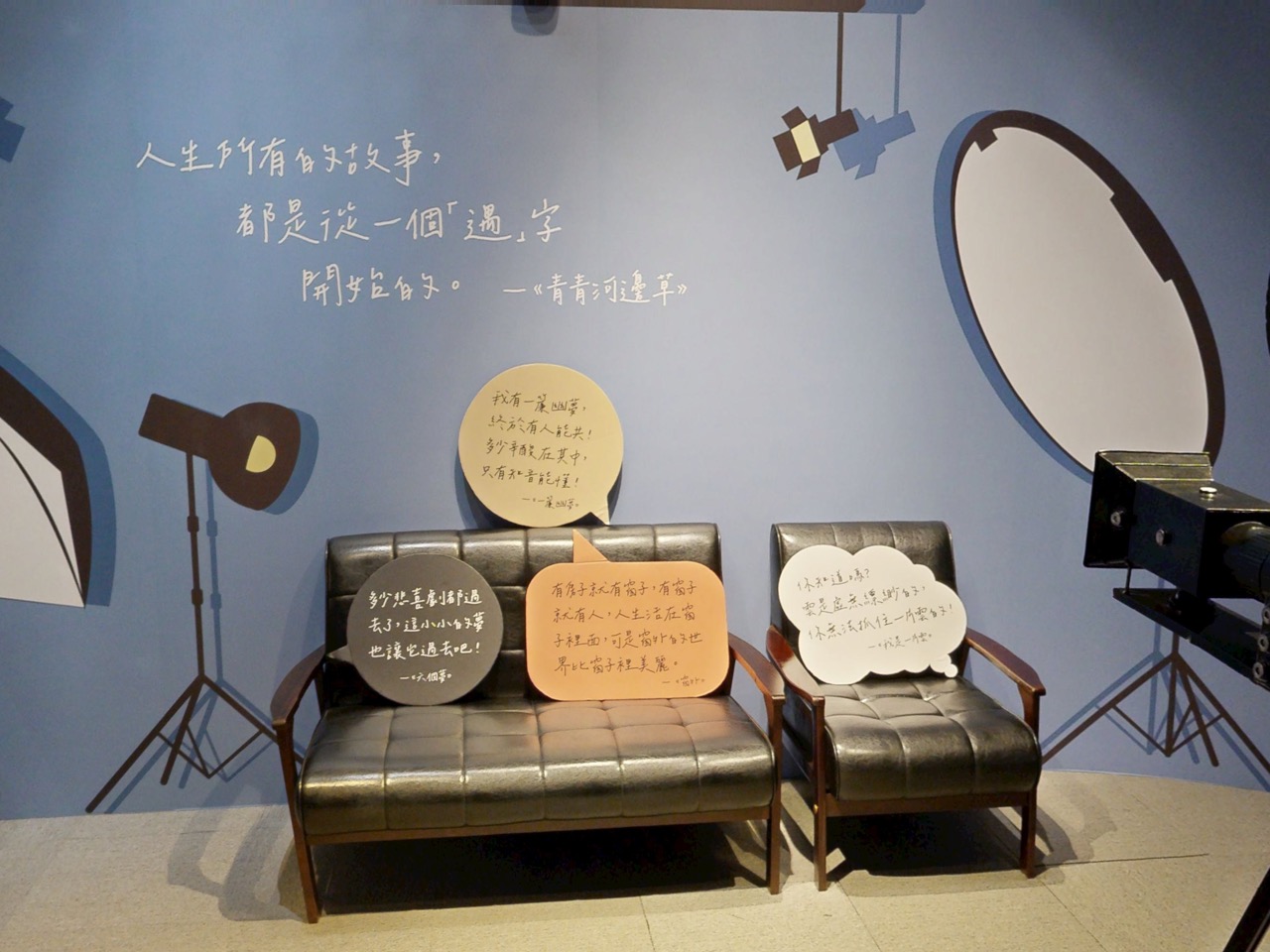
The leading actors of Chiung Yao films - Chin Han, Charlie Chin, Brigitte Lin, Joan Lin - known as “Two Chins and Two Lins” - became icons of youthful romantic aspiration. Singers of the theme songs, such as Fong Fei-fei and Teresa Teng, enhanced the films’ emotional impact. Moreover, the Chiung Yao Phenomenon spurred the development of Taiwan’s “Three-Hall Films,” as many romantic settings took place in living rooms, restaurants, and cafés. Beyond Chiung Yao, numerous popular romance novels were adapted for film and television. Romance writer Hsuan Hsiao-fo ranked second in adaptations after Chiung Yao; her first novel Romance in a White House, published in 1969, was directed by Pai Ching-jui into a film of the same name in 1972, creating a celebrated on-screen couple in Chen Chen and Alan Tang.
Other literary adaptations from the same period include At Dawn, released in 1968, directed by Richard Li and Sung Tsun-shou, and adapted from Chu Hsi-ning’s novel of the same name, published in 1963, and Story of Mother, released in 1972, directed by Sung Tsun-shou, and adapted from Yu Li-hua’s Mother and Son, published in 1966, which won the Taiwan Film Critics Society Best Film award the following year. Kuo Liang-hui’s Heart Lock, published in 1962, faced harsh criticism in literary circles for its daring depiction of sexuality, which exceeded the moral boundaries of Taiwanese society at the time. The novel was banned by the government in 1963, and Kuo was expelled from the Chinese Writer's & Artist's Association. It was not republished until 1986, when it was adapted into a film by Fan Ho, but the novel was again censored, remaining banned until 1988.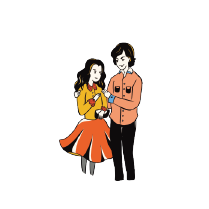
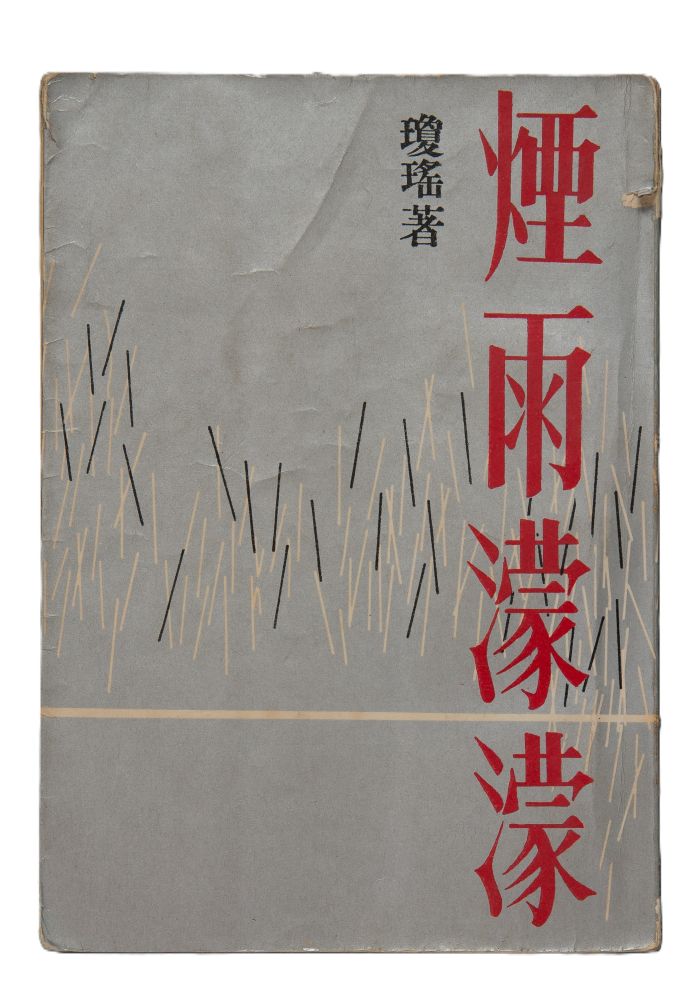
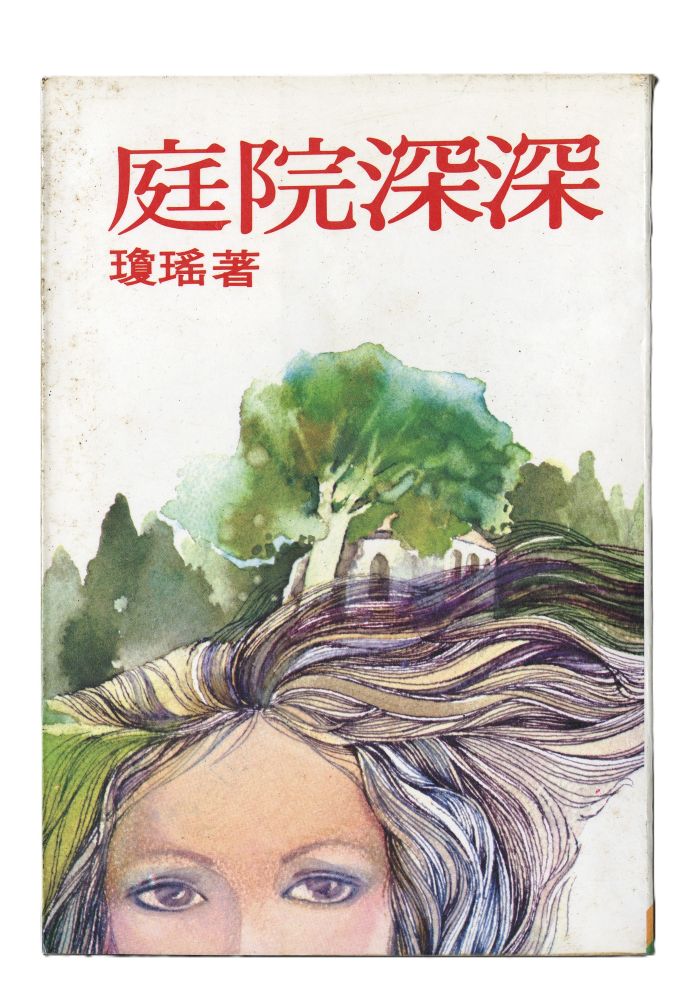
Misty Rain, Deep Courtyard / Collection of The National Museum of Taiwan Literature
Filming scenes from Chiung Yao’s “Three-Hall Films” Television Adaptations of Chiung Yao’s Works (1980s–1990s) Even in the 1980s and 1990s, Chiung Yao’s works, such as Mist Over Dream Lake, Plum Blossom Trilogy, and A Curtain of Dreams, were adapted into TV dramas still achieved high ratings. The series Princess Returning Pearl swept both Taiwan and China, setting record-breaking ratings in China at the time.
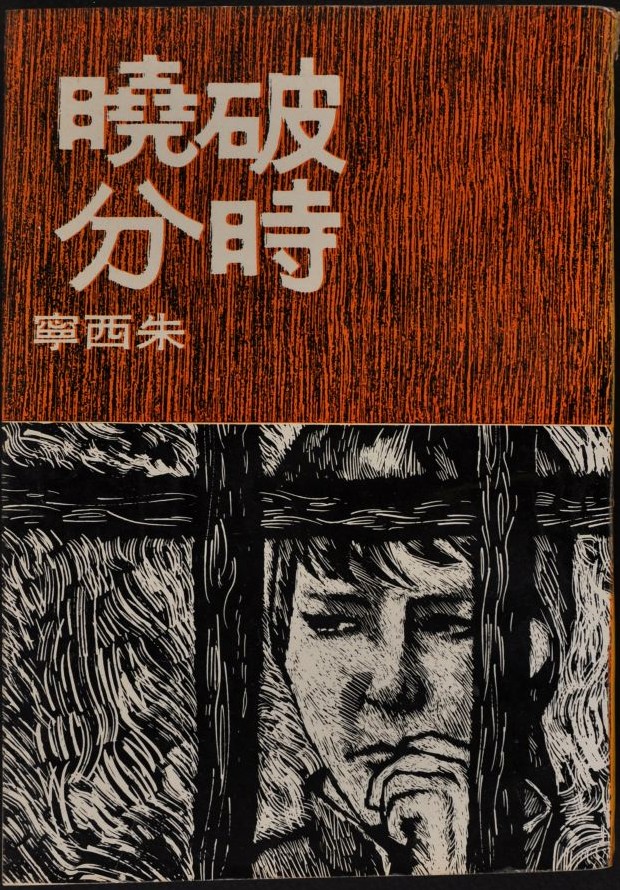
Chu Hsi-ning At Dawn (1976) / Collection of The National Museum of Taiwan Literature
One of Chu Hsi-ning’s early short story collections. The title story "At Dawn" depicts a miscarriage of justice under torture. The film adaptation was released in 1968, written by Yao Feng-pan, co-directed by Li Han-hsiang and Sung Tsun-shou. Compressed into a single night before dawn, the film exposes the corruption and cruelty of the feudal bureaucracy while powerfully portraying the protagonist’s inner torment and helplessness.
 The Emergence of Television
British engineer John Logie Baird invented the black-and-white cathode ray tube television in the 1920s. After World War II, this new medium rapidly spread, and paired with radio technology, households with a TV could receive sights and sounds from afar in real time.
In Taiwan, wireless television only became widespread after Taiwan Television Enterprise, or TTV, officially began broadcasting in October 1962, producing Hokkien-language serials such as Returning to Embrace and historical dramas like Cheng Cheng-kung, Wu Feng, and Chou Cheng Crosses Taiwan. In October 1969, China Television Company, or CTV, began broadcasting, breaking TTV’s monopoly. CTV was the first to launch color programming, introducing the daily serialized drama Jingjing and, the following year, Hokkien serial Jade Orchid directed by Ho Chi-ming, which achieved a record 95% viewership.
TV ownership gradually increased: by 1969, urban households had a penetration rate of 61.23%, while rural areas reached 18.28%.In October 1971, Chinese Television System, or CTS, officially launched, completing the familiar “three old channels” of Taiwanese broadcast TV. Intense competition among programs began reshaping leisure habits.
To compete with CTV’s Jingjing, TTV launched the more literary Mandarin TV Novels, each 30 minutes and aired daily for a month. The first adaptation was Hsu Hsu’s anti-Japanese novel The Wind Blows, relesed in 1943 while the author was based in Hong Kong. TTV subsequently produced additional adaptations, including Chiung Yao’s River of Stars, Hsu Su’s Sun, Moon and Star, released in 1953 with the author based in Hong Kong, Wang Lan’s The Blue and the Black, and Yang Nien-tzu’s Old Tales of a Wasted Garden, released in 1962.
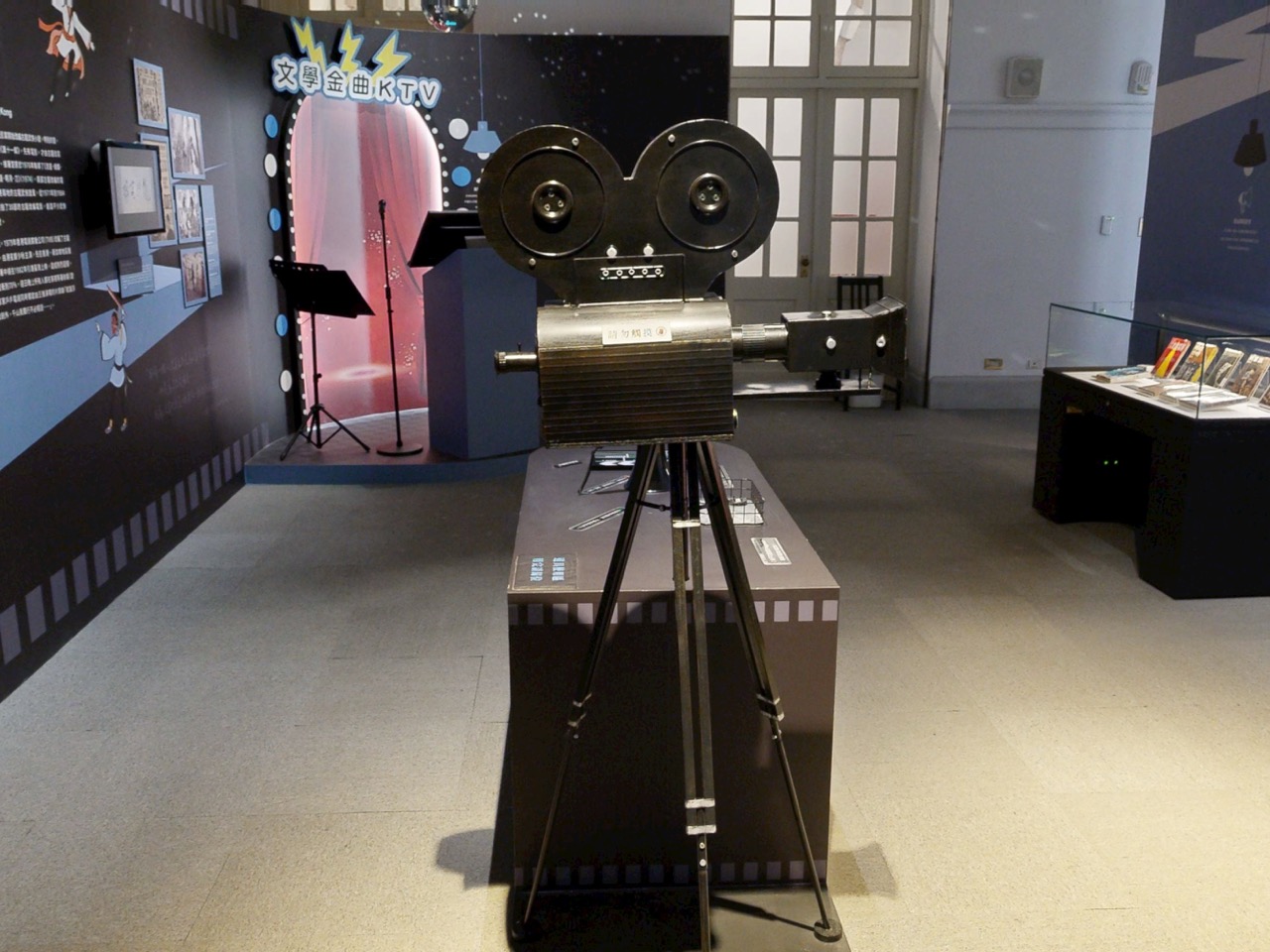
 Gu Long and Martial Art Movies in Taiwan and Hong Kong
Martial arts novels became hugely popular in Taiwan and Hong Kong after the 1950s, spurring the rise of martial arts films. In 1959, Hong Kong director Liang Che-fu directed the Hokkien-language martial arts film Lo Hsiao-hu and Yu Chiao-lung, starring Hsiao Yen-chiu. The film was adapted from Wang Tu-lu’s novel Crouching Tiger, Hidden Dragon. The 1960s marked the peak of Hokkien martial arts films, with roughly 87 productions.
In 1967, King Hu directed Dragon Inn in Taiwan, blending Peking Opera stage action, historical accuracy of the Ming Dynasty, and personalized chivalric plots, creating a strong classical aesthetic. Its success ushered in the golden era of Taiwanese martial arts cinema in the 1970s and 1980s. King Hu then adapted Strange Tales from a Studio of Leisure into A Touch of Zen, released between 1970 and 1971. Although it did not meet commercial expectations, it earned the Cannes Technical Prize. He later directed Legend of the Mountain in 1979, adapted from the Song Dynasty collection Jingben Popular Stories’s tale Ghosts in the Western Hills. This film won King Hu the Golden Horse Award for Best Director at the 16th Golden Horse Awards.
Starting in 1971, Hong Kong’s Shaw Brothers began adapting Gu Long’s martial arts novels. Notably, Hsu Tseng-hung’s 1971 film The Eleventh Son preceded publication of Gu Long’s novel in 1973. In 1976, Chu Yuan followed with Meteor, Butterfly and a Sword, released in 1973, and The Magic Blade, released in 1974, sparking a Gu Long craze in Taiwan and Hong Kong. From 1971 to 1984, a total of 30 Gu Long adaptations were produced, creating numerous martial arts classics.
On television, Hong Kong’s Television Broadcasts Limited, or TVB, adapted Gu Long’s Clans of Intrigue in 1979, starring Hong Kong actor Adam Cheng. The series was first well received in Hong Kong and Singapore, and was later introduced by CTV into Taiwan in 1982, sparking a fervent response. Ratings once soared to 70%, with everyone at home on Sunday evenings waiting to watch Clans of Intrigue. In every household, televisions simultaneously played the opening theme sung by Wang Chiang: “Let fame float by, lightly cast aside the sword, I walk alone through a thousand mountains, no need for farewells…”
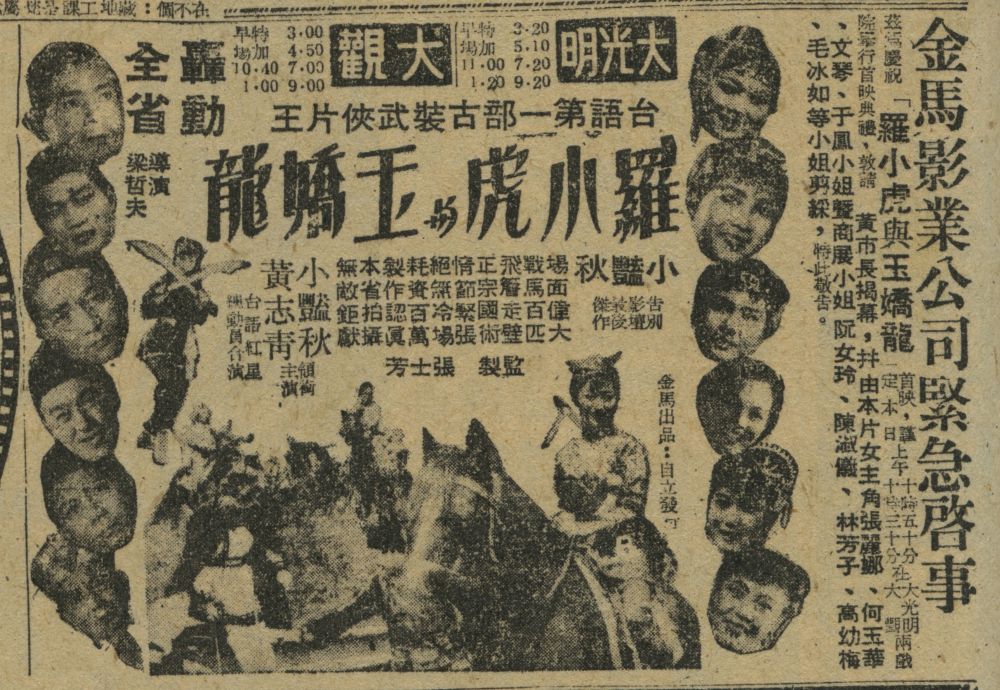
United Daily News newspaper advertisement for Lo Hsiao-hu and Yu Chiao-lung (1959) / Collection of The Taiwan Film and Audiovisual Institute
The first Taiwanese-language martial arts film.
 Original Theatrical Trailer for Dragon Inn (1967)(Collection of The Taiwan Film and Audiovisual Institute)
Length: 4 min 58 sec
[Plot Summary] In Mid-Ming dynasty, eunuch Tsao Shao-chin (Pai Ying), commander of the Eastern Depot and Embroidered Guard, abuses his power and frames the loyal minister Yu Chien. He plots to wipe out Yu’s family entirely, even attempting to intercept and kill Yu’s children who have been exiled to Dragon Gate as punishment. Failing in his first attempt, he dispatches aides Pi Shao-tang (Miao Tien) and Mao Tsung-hsien (Han Ying-chieh) to ambush at Dragon Inn. Hero Hsiao Shao-tzu (Shih Chun), learning of the plot, goes to Dragon Inn to rescue them. He encounters former loyalist Chu Chi (Hsueh Han) and his sister Chu Hui (Shang kuan Ling-feng). Together with innkeeper Wu Ning (Tsao Chien), they plan resistance. When Yu’s children arrive at the inn, Tsao realizes that his subordinates are no match for Hsiao Shao-tzu and the others. He personally leads the Eastern Depot forces in a climatic battle. In the end, Tsao falls to the chaotic clash of swords, and the loyal family survives.
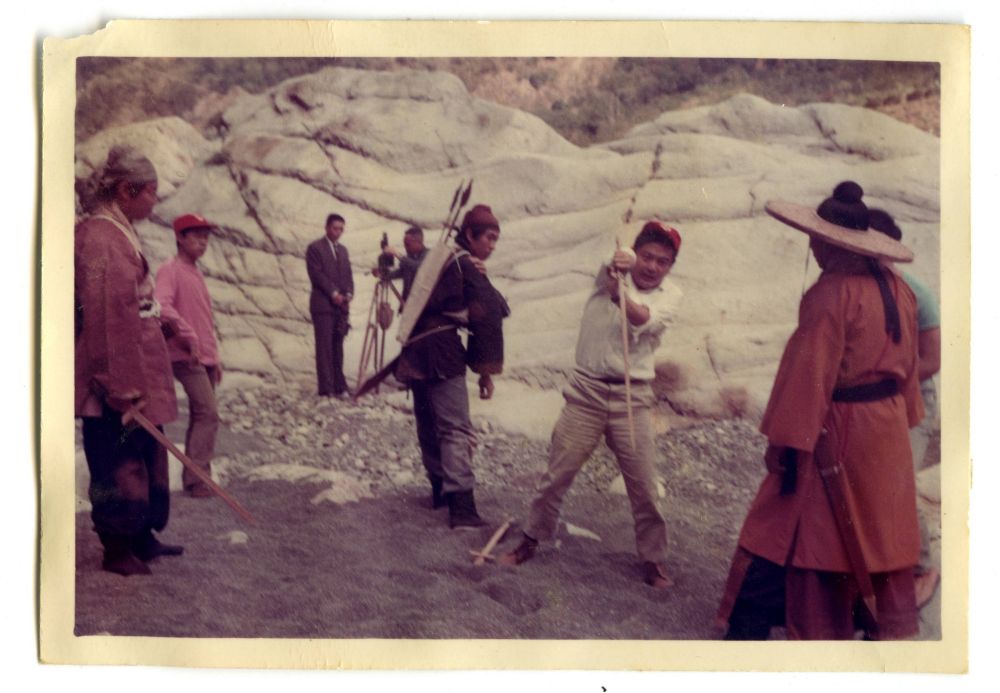
On-Set Work Photo from Dragon Inn (1967) / Collection of The Taiwan Film and Audiovisual Institute
Production Still from Dragon Inn (1967) Released in Taiwan in October 1967, this production still shows director King Hu (in white shirt) demonstrating swordplay during an outdoor mountain-road scene. On the right, facing away from the camera in costume, is Hsueh Han (as Chu Chi). The film won the 7th Golden Horse Award for Outstanding Taiwanese Film and Best Original Screenplay.
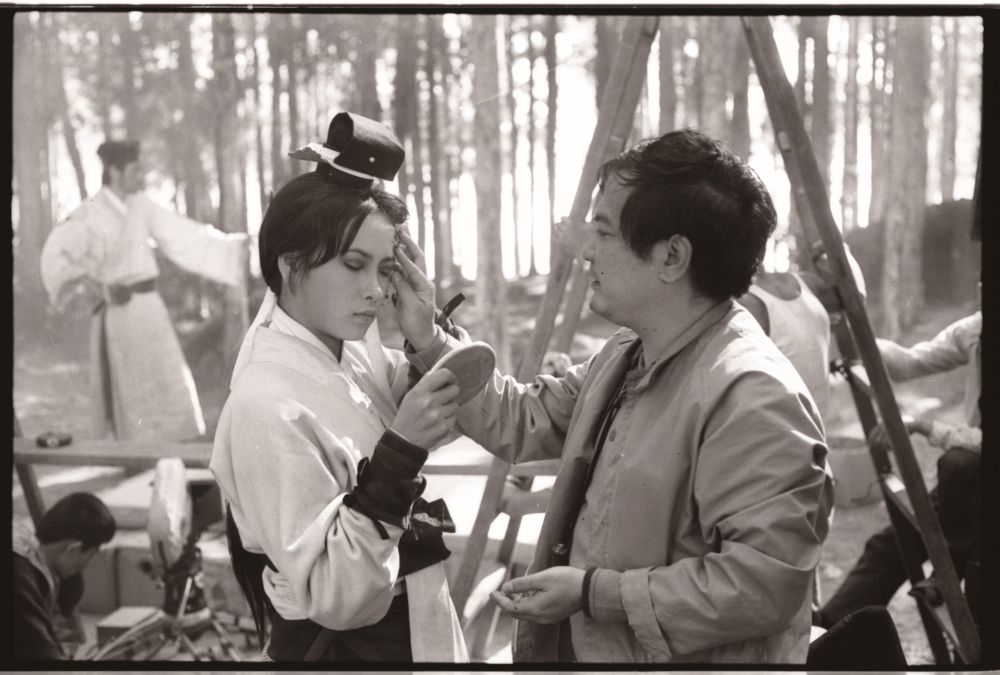
On-Set Work Photo from A Touch of Zen (1968) / Collection of The Taiwan Film and Audiovisual Institute
Behind-the-Scenes Photo from A Touch of Zen (1970) This still shows director King Hu (right) retouching actress Hsu Feng’s makeup (left, as Yang Hui-chen/Chih Yun), with Pai Ying (as Shih Wen-chiao) in the background.
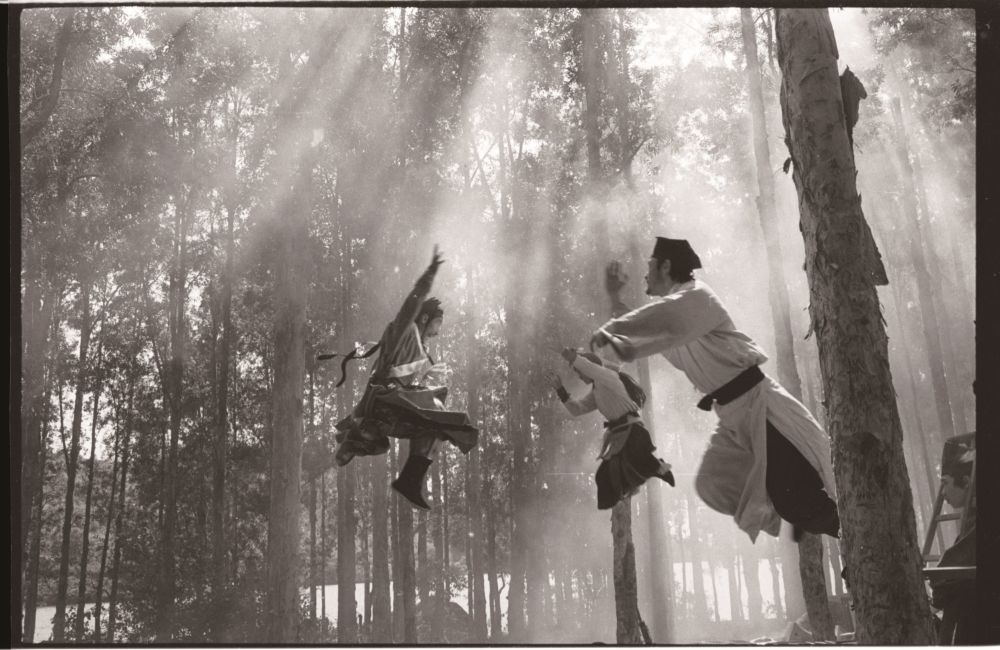
Stills from A Touch of Zen (1968) / Collection of The Taiwan Film and Audiovisual Institute
Production Still from A Touch of Zen (1968–1970) King Hu’s A Touch of Zen began filming on February 7, 1968, released in July 1970. This still shows an aerial fight scene featuring: from left, Han Ying-chieh (as Hsu Hsien-chun), Hsu Feng (as Yang Hui-chen/Chih Yun), and Pai Ying (as Shih Wen-chiao).

1. Privacy protection policy.
Personal privacy has become the main concern of users when browsing in the online world. The National Museum of Taiwan Literature (hereinafter referred to as the museum) has specially created a privacy protection policy. How to collect and use data", "Cookies, IP address", and "Protection and Use of Personal Data" to explain and declare:
(1) How to collect and use personal data:
In order to provide you with the best on this website The website service, according to different pages, will ask you to provide relevant personal information. The scope is as follows: This website is when you use the system function forms such as e-newslet subscription, group tour reservation, event registration, joining literary friends and publishing seminar information , Will retain the name, email address, contact method and usage time you provided.
(2) Cookies and IP Address:
When a user visits this website, the server will record relevant behaviors by itself, including the IP address of the connected device, time of use, browser used, browsing and click data records Etc., as a reference for us to improve our website services, this record is an internal application and will never be published.
(3) Protection and utilization of personal data:
The hosts of this website are equipped with various information security equipment such as firewalls, anti-virus systems and necessary safety protection measures to protect the website and your personal data. We adopt strict protection measures. Only authorized personnel can access your personal data. The relevant processing personnel have signed confidentiality contracts. Anyone who violates confidentiality will be punished by relevant laws.
Although this website will do its utmost to maintain the user’s personal data (not misused or disclosed), because the transmission of network data cannot ensure 100% security, this website cannot be sure or guarantee that the user’s or The data we send to users is completely secure. Regarding the above risks, users must be asked to bear them.
Unless you obtain your consent or other special provisions of laws and regulations, this website will never expose your personal data to a third party or use it for other purposes than the collection purpose.
2. Information Security Policy
The National Museum of Taiwan Literature (hereinafter referred to as the museum) respects and protects your security and privacy protection while using the Internet, in order to help you understand how the "National Museum of Taiwan Literature Global Information Network" protects your use of various services on this website For security, and how to collect, apply and protect the personal information you provide, please read the privacy protection and security policy of the "National Taiwan Literature Museum Global Information Network". Please read the following instructions carefully. You are also welcome to tell us your thoughts. If you have any comments or questions, please E-mail to twp@nmtl.gov.tw for
any unauthorized attempts to upload or modify the information provided by the library All services and related information activities are strictly prohibited and may violate the law. For site security purposes and to ensure that the service will continue to serve all Internet users, this site provides the following security measures:
. Use a network intrusion detection system to monitor network traffic to identify unauthorized attempts to upload or change, web page information, or sabotage.
. Install a firewall to prevent illegal intrusion, destruction, or theft or destruction of data, to avoid illegal use of the website, and to protect the rights of users.
. Install anti-virus software to scan for viruses regularly to provide users with a safer web browsing environment.
. Simulate hacker attacks from time to time, exercise system response procedures when security incidents occur, and provide appropriate security defense levels.