訊息
OK
The Inner World of Taiwan Literature
Literature's Bright Future
The many social and cultural movements that have swept through Taiwan since the beginning of the 20th century have radically transformed society. In such facets as literary perspectives on diversity and life, views on literary works, and the development of gender awareness and sensitivity, it is apparent that when facing new perspectives, Taiwan is no longer a passive receptor. Increasingly Taiwan absorbs and shapes outside influences into something uniquely fit to local conditions.
Taiwan’s central geographic location has also shaped its literary perspectives. Taiwan has shared an intimate connection with the outside world from its earliest days. Strong publishing and translation sectors ensure that Taiwan literature is no longer an internal dialogue, but rather an interactive experience feeding and fed by literary streams across the planet. Driven by high technology, media worldwide is focused on feeding public hunger for new and diverse content. The digitalization of literature is one way in which readers can create, opine and interact without leaving their computer screen. Computers and the Internet can set everyone’s literary spirit free and take dialogue to the next new and exciting level.
This section examines various current trends as well as diverse writing formats and literary forms to encourage all to read and enjoy literary works that reflect their personality and background, experience the enticements of literary genres reflecting different gender perspectives, and enter into the essence of world literature through one’s personal local literary experience.
Perceiving Modernity
Change is ceaseless. Authors writing at various periods capture for us the dramatic changes in modern Taiwan life. How we experience our current world reflects our unique take on life itself.
The contemporary social and literary zeitgeist nourishes author creativity and innovation. Our expanding urban landscape has brought convenience to its residents and inspired authors to peer into and reflect upon its deeper impact and meaning. Literature is power. In writings on rural life and those living away from major population centers, we hear the different voices of people living off the land with different perspectives and value systems. In writings on nature, we listen in on dialogues between the natural and modern world and between man and the land. They are symphonic scores that plumb the depths and true meaning of relationships.
Tolerant and Open-Minded
A modern building boom in the 1920s modernized Taiwan’s cityscapes and transformed daily life for the average citizen. Literature of the time reflected contemporary dissonance and adjustment to the introduction of modern values and mores already underway. Western influences on contemporary society and literature increased from the 1950s onward. Post-1949 Taiwan saw the founding of many new literary societies, the creation of new literary print and broadcast channels, the organization of literary exchange programs and the incessant exploration and development of new forms and techniques of literary expression.
City Lights
issues worth exploring. Taiwan authors again revealed themselves up to the task, focusing keen minds and perceptive eyes to reveal the bigger picture of modernity for readers.
Urban culture in Taiwan was in its infancy at the dawn of the 20th century. A century later, the “Urban Literature” movement infused the perspective on change held by earlier generation authors into thoughts on the urban culture to come in the 21st century. Authors brought their own individual perspectives to bear on such important issues as the true meaning of civilization and the alienation of the individual.
My Community, My Land
My Village: Many Taiwanese were born and grew up in mining, forestry and fishing communities.
Nativist literature held unchallenged sway between the 1920s and 1970s. Those writing in the nativist genre tilled the social landscape with their articulate, well chosen words. Against the backdrop of the Taiwan experience, nativist works were beacons of inspiration to the island’s working class. Authors invested their emotional energies in understanding and empathizing with the life of the farmer, forester, fisherman, miner and factory laborer. Across the decades and through various stages of economic development, they wrote on the intrinsic value of life and celebrated the everyday accomplishments of people from many different walks of life.
Writing Intuitively
“Economic miracle” was regularly used to describe Taiwan from the 1980s onward. It was a miracle, however, that came at a high price in industrial pollution, land development and environmental degradation.
Taiwan authors again pointed their pens in protest, using literature to give a voice to the cries of the island’s withering natural heritage, expound a more accommodating philosophy of life, or examine the issues underlying shifting boundaries between civilization and nature. Authors raised discussions of nature beyond flora, fauna and natural scenery to a study of the very essence of human existence and the vital importance of collective survival.
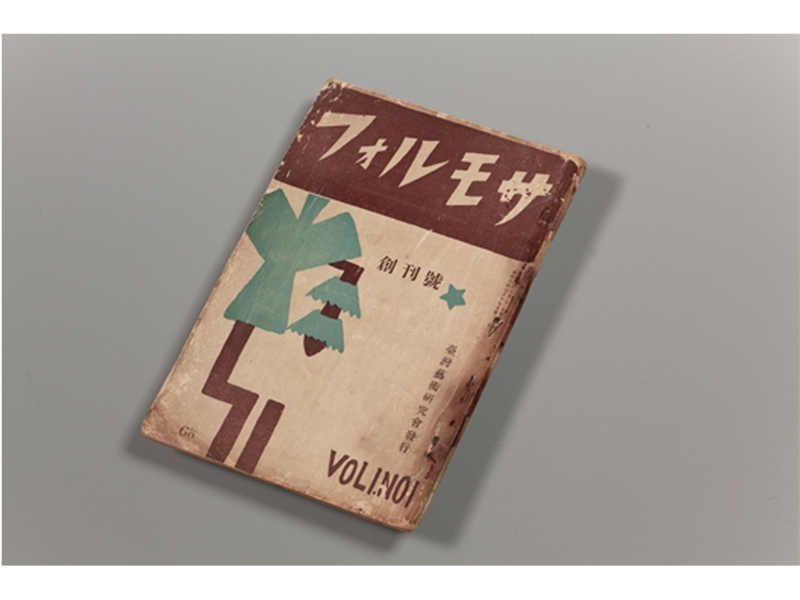
Formosa
Formosa (フォルモサ) released its first issue in 1933, publishing three volumes in total. The journal was the creation of Taiwanese student members of the Tokyo-based Taiwan Geijutsu Kenkyukai (Taiwan Art Circle), founded by Wang Pai-yuan (Ou Haku-en), Wu Kuen-Hwang and Wu Yong-fu. Su Wei-hsiung served as its chief editor. Content focused on articles and literary works inspired by nativist and socialist ideals.(1933; journal; donated by Huang Teh-shih)
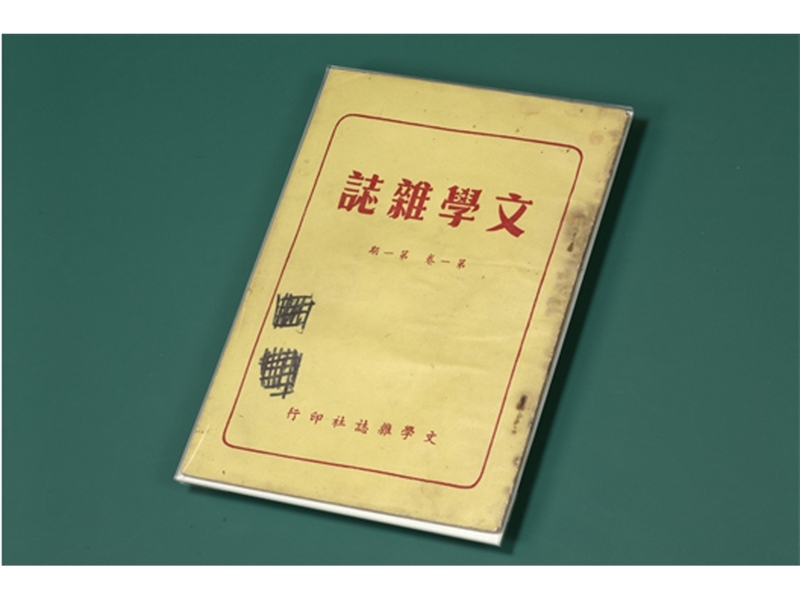
Literary Review
Literary Review began publishing in 1956 with Hsia Chi-an as chief editor. In an era of virulent anti-communist rhetoric, authors Hsia Chi-an, Wu Lu-chin and Lin I-liang created Literary Review as a springboard for open thought and free expression.(1956; journal; donated by Chang Mo)
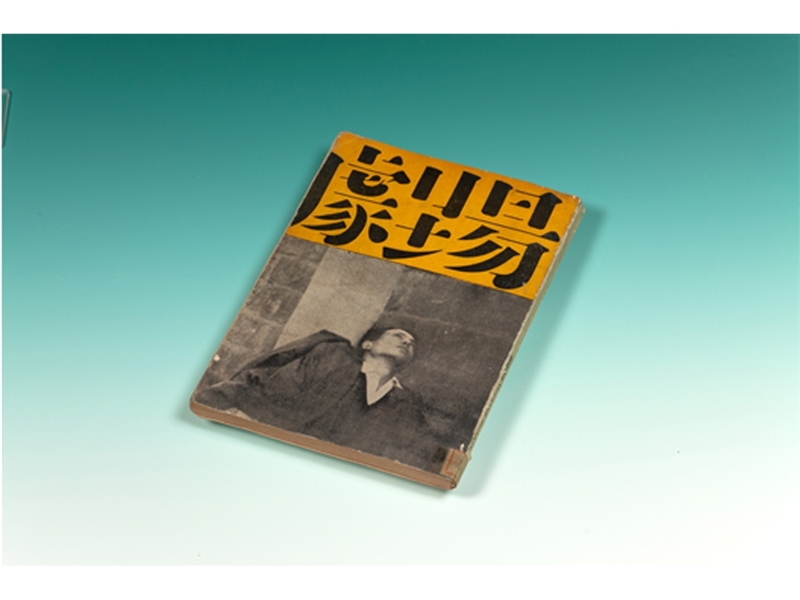
Theater
Theater released a total of nine volumes since releasing its first issue in 1965. The journal brought avant-garde and modernist art trends to Martial Law-era Taiwan, looking to trounce stifling conformity with creativity. Theater published original contributions from domestic literary authors, screenwriters and theater playwrights and important foreign theatrical and literary works in translation.(1965; journal; donated by Cheng Tsai-ching)
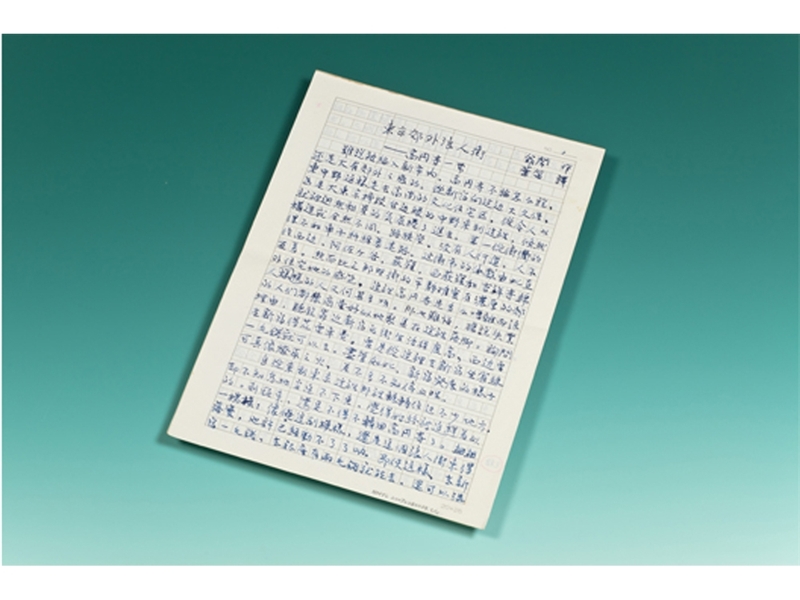
The Wild Streets of Suburban Tokio – Koenji District
Ong Nao (1908 – 1940) was a native of Shetou in Changhua County, Taiwan. After arriving in Tokyo in 1934 as a student, he moved to Koenji on the city’s outskirts, living the life of a starving artist. This piece sumptuously describes the life of the idealistic, youthful art community that pervaded 1930s Koenji – a place with which he had intimate familiarity.(manuscript of translation by Yeh Ti; donated by Yeh Chin-chin)
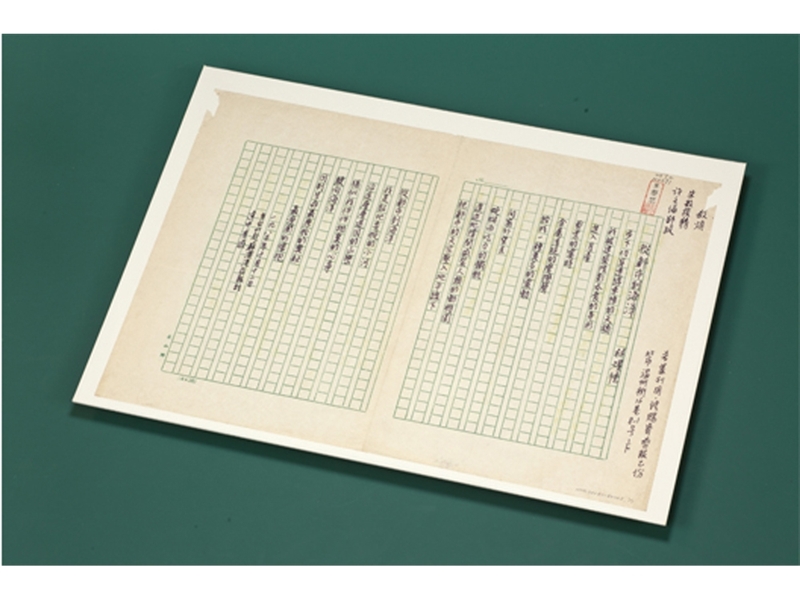
Away from the City, to the Sea, 1985
Lin Yao-teh (1963-1996) was an author from Taipei City, Taiwan. Lin was an advocate of urban literature during the 1980s, producing many original works in the genre. Critics note Lin held a deep-set humanistic concern for the changes, contradictions and conflicts inherent in modern society. He used “city” and “sea” as literary foils.(manuscript; Great Sea Journal of Poetry (founded by Chu Hsueh-shu))
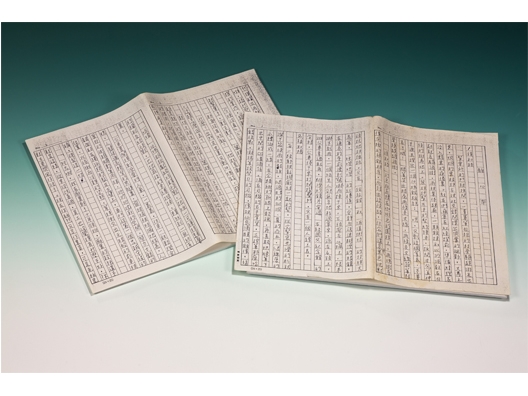
Eccentricities
Chiu Miao-chin (1969-1995) was a native of Changhua, Taiwan. The original manuscript of Eccentricities survives today only in photocopy. This piece has all the hallmarks of meta-fiction. Surrounded by urban bustle, Chiu describes in rich verbiage capitalism’s corrosive decay of the family and social mores.(1990; manuscript; provided by Lai Hsiang-yin)
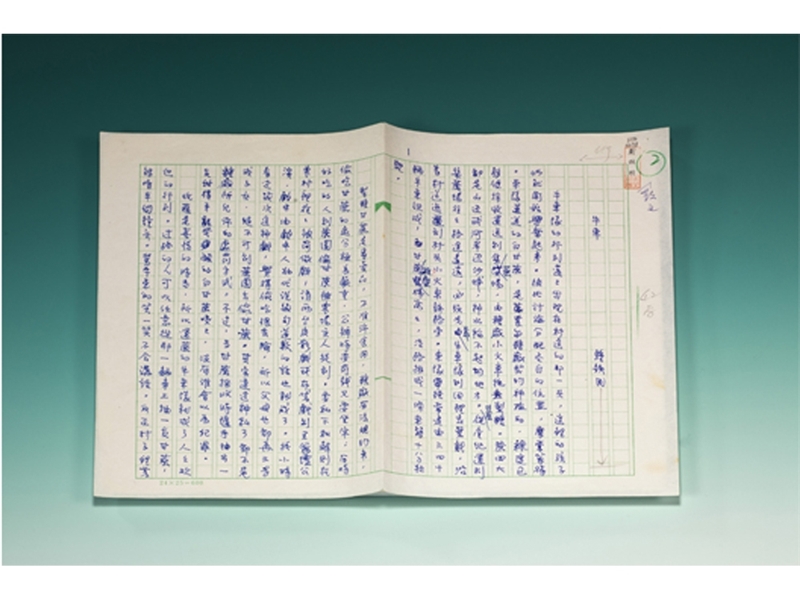
Ox Cart
Chung Tieh-min (1941-2011) was an author from Meinong in Kaohsiung County, Taiwan. The author’s many works, set in rural Taiwan, highlighted the imperative importance of preserving rural ways and the environment – movements in which he was personally very active. “Yu Chung-Hsiung’s Spring” takes on the chronic rural issues of public education and continuing education past the junior high school level. It is a humanist, socially relevant work.
(donated by Cheng Chiong-ming)
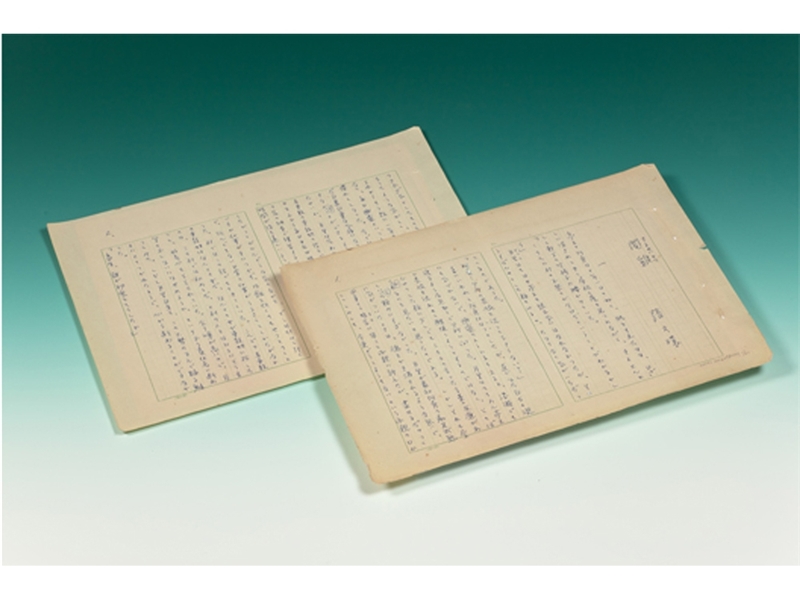
The Castrated Cock
Chang Wen-huan (1909-1978) was a native of Meishan in Chiayi County, Taiwan. He finished The Castrated Cock in 1942, which was published in Vol. 2, No. 3 of Taiwan Bungei (Taiwan Literature). It narrates the story of his female protagonist’s difficult journey from fatalism to enlightenment. In gradually assuming authority over her own body and future, the author takes an innovative approach to dissecting and exposing the severe and callous nature traditional culture.
(clean manuscript; donated by Chang Yu-huan)
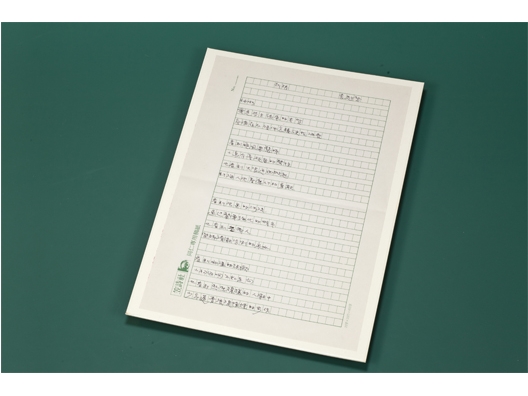
“Prayer”, My Religion is Love
Lee Kui-hsien (1937 - 2025) is an author from Danshui (Tamsui), Taiwan. His original 1980s poem “My Religion is Love” describes the poet’s passion for his native soil and home as well as his disdain for “truth seekers” and injustice. Lee urges poets to remain “spiritual fortresses” in order to cast a withering spotlight on society’s ills and shortcomings. This, he says, is the true “religion of love.”(K.T. Liu, Taipei, 1997; book; NMTL collection)
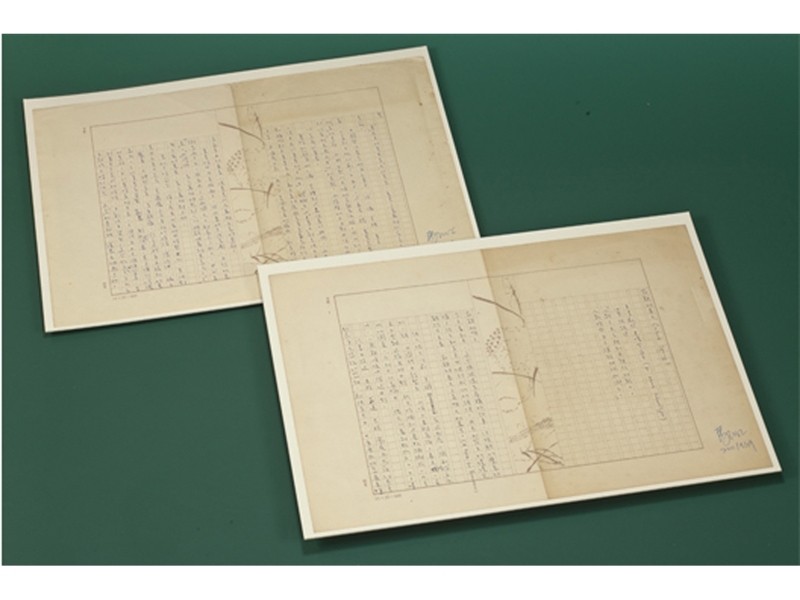
Silent Spring (translation)
Ma I-kung (1948 - ) is a native of Taipei City, Taiwan. He was an active writer on environmental issues during the 1980s and strong advocate for environmental education. Ma translated Rachel Carson’s seminal work Silent Spring into Chinese to awaken the Taiwan public to the imperative necessity of humanity to restore balance to its relationship with nature and the environment.(manuscript; donated by Ma I-Kung)
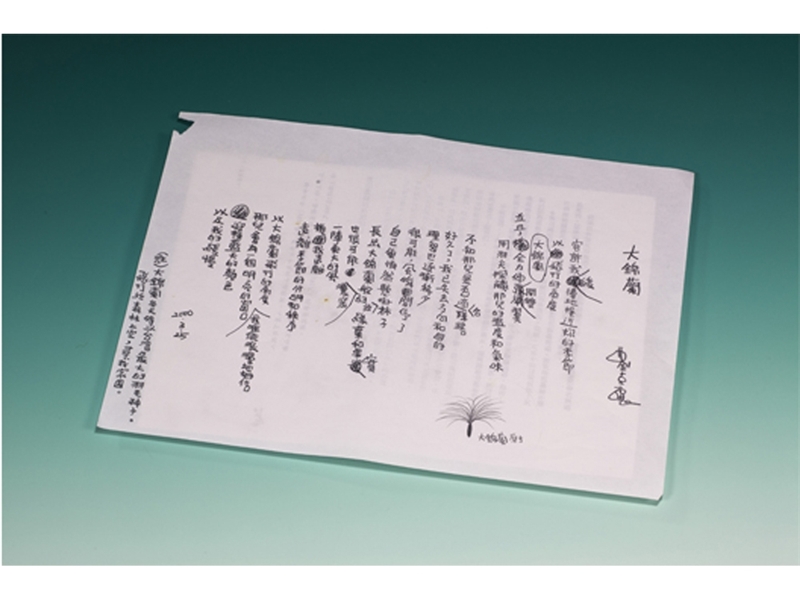
“Bentham Cablecreeper” and “The Story of a Wound”
Liu Ko-hsiang (1957 - ), aka Liu Tze-huai, is a native of Wurih in Taichung County, Taiwan. Impromptu writings “Bentham Cablecreeper” (later renamed The Cablecreeper’s Winter) and “The Story of a Wound” were included in the author’s 2001 work, At My Most Beautiful. These pieces intermingle poetry with nature and nature with prose to nurture limitless potential.(2000s; manuscript; provided by Liu Ko-hsiang)
Gender Streams
Works of literature abound with memorable leading ladies. The role of women in literary works often differs significantly between men and women authors. Social developments in Taiwan have also infused change into the roles and expression of literary characters. Differing gender perspectives record different takes on the same period of history or social setting. Like a camera taking the same shot from different angles, men and women authors have different perspectives on beauty and sorrow.
The troubles of youth also change with the time, from rebelliousness, love and sexual exploration to overcoming difficulties and self-realization. Feminist literature, stories of youth, exposition of eroticism, stories of homosexuality all blossom in a healthy literary garden. From the feminist movement of the 1970s to the sexual and gender freedom movements of the 1990s, gender topics have evolved with the evolution of Taiwan society and instilled Taiwan literature with various different female perspectives and personas.
Feminist Literature
Women have been an important driving force behind postwar literature in Taiwan. Their works ranked amongst the best examples of literature promoting Mandarin as the island’s new language of unity. From “home-country” essays to modernist novels; from the rise and exploration of feminist issues to the emergence of the feminist movement, women authors have been active … writing about everything from family life to national consciousness and from individual to shared experiences from distinctly women’s points of view.
Youth Rising
The boy in the next classroom, the girl at a nearby school, homosexual and heterosexual love … during youth’s turbulent years, boys and girls face so many issues that are complex, challenging and not easy to face. Literature captures the opposite sex, adults and the world through the eyes of the teenager. It also explores the journey to maturity at different times in Taiwan’s modern history.
Erotic Literature
Eroticism pervades the literary form, from explicitly banned books to acclaimed award-winning novels. Running the gamut of themes from sexual suppression to sensual exploration, literature reveals the changing status of women in society and the gradual march toward sexual liberation. Erotic writing today focuses much less on the individual experience, with attentions turned to considerations of the body and power and difficult issues related to the intricate web of relationships between national, political and role consciousness.
Crossing Over
Literature addressing homosexuality was published even while Taiwan was a highly conservative society. This genre explores socially controversial issues such as the value perspectives that prioritize continuance of the family into the next generation and hot button issues behind inner family tensions. The increasingly liberal society that found its feet in the 1990s, encouraged the elevation of alternative genres and saw novels on homosexuality go mainstream. They boldly faced issues such as sexual passion and self-identification. Gender literature gradually breached the borders of dualism and introduced diverse perspectives on sexuality and sexual relations.
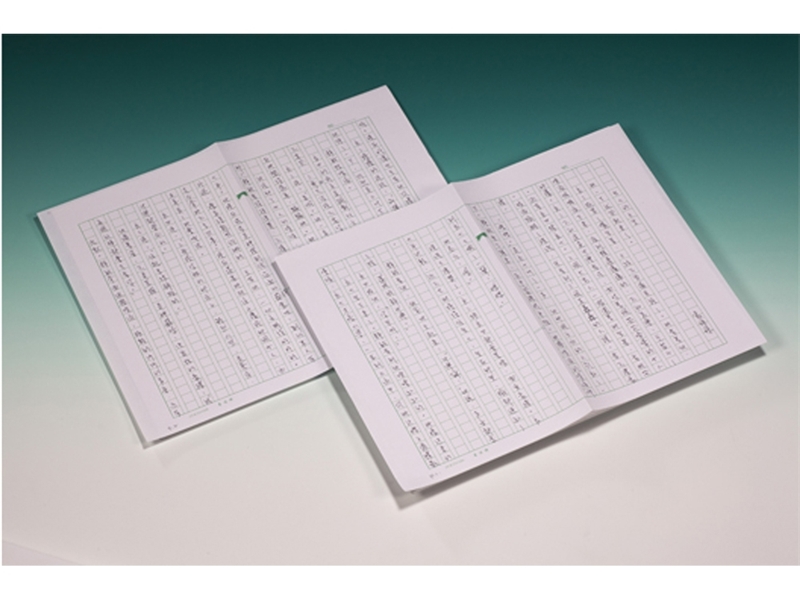
A Sky of My Own
Yuan Chiong-chiong (1950 - ) is an author from Hsinchu, Taiwan. The author highlighted the interplay between modern sensitivities and everyday affairs to observe the feminine psyche and changes in male – female relational norms against the backdrop of the 1980s “economic miracle” and unprecedented prosperity. This work is a deep commentary on contemporary emotional issues(clean manuscript; provided by Yuan Chiong-chiong)
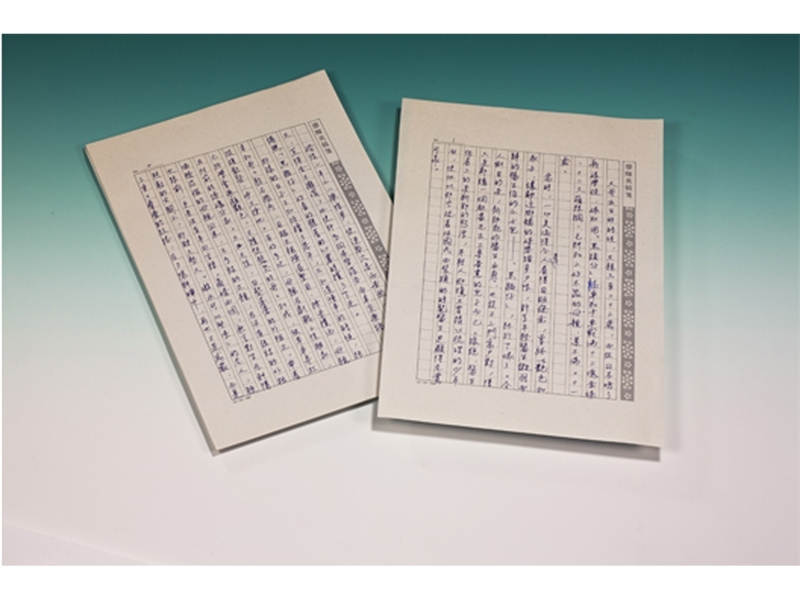
Rapeseed
Liao Hui-ying (1948 - ) is a native of Fengyuan in Taichung County, Taiwan. This 1980s piece reflects on the female protagonist’s journey from childhood to marriage. Rapeseed is a hardy plant grown in Taiwan, surviving in even the poorest of soils. Liao chose the title as a metaphor for the inherent resilience of women.(clean manuscript; provided by Liao Hui-ying)
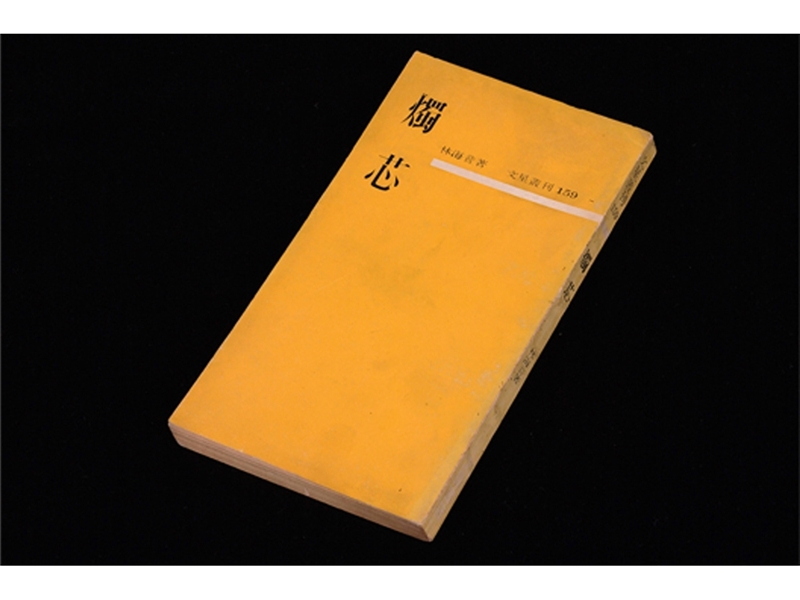
“Candle Heart” in Candle Blossoms
Lin Hai-yin (1918-2001) was a native of Toufen in Miaoli County, Taiwan. She used “candle” to represent the poor fate of women in traditional, conservative society. Her writings steer clear of bitter outcries and tearful pleadings, but nevertheless very effectively convey the endless sorrows of women in calm, even conciliatory, words.(1981; Literature Press, Taipei; book; provided by the NMTL)
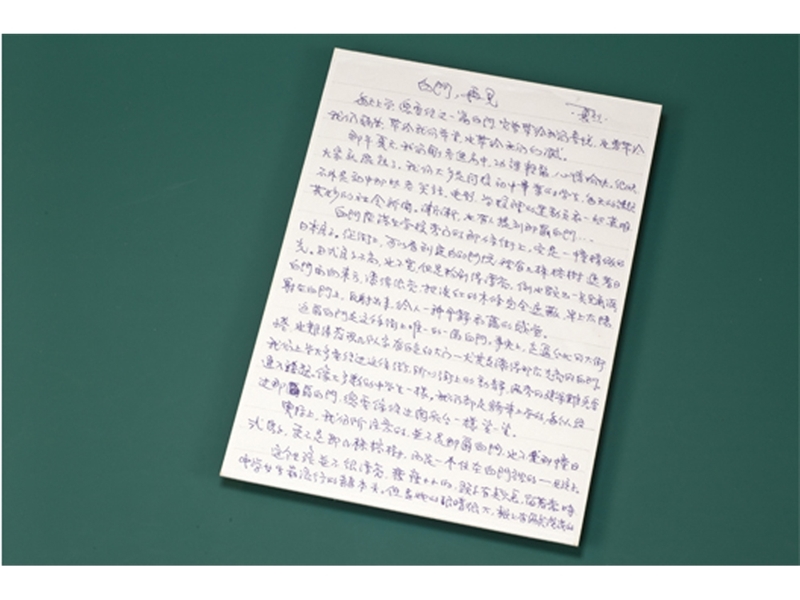
White Gate, Farewell!
Hsia Lieh (1941 - ), aka Hsia Tzu-chuo, was born in Beijing and spent his formative years in Taipei. White Gate, Farewell!, a short essay Hsia published in his high school newspaper, effervesces teenage brashness. Although almost never spoken, the name “White Gate” – an allusion to the main gate of Taiwan’s best boy’s high school –stirs a fiery passion in young men’s souls that ultimately fizzles into disappointment. Such are the days of youth.(2004; clean manuscript; donated by Hsia Tsu-chuo)
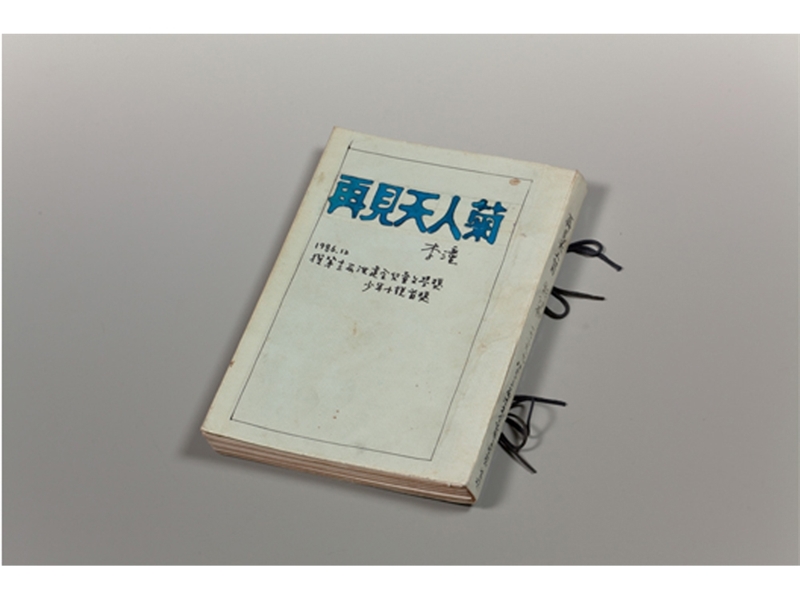
Adieu Gaillardia
Lee Tung (1953-2004), aka Lai Hsi-an, is an author from Hualien in eastern Taiwan. Set in the Penghu Archipelago, this novel tells the story of seven youth who make a pact to meet up again two decades later. The pact proves difficult to fulfill, but elicits deep-set emotions and memories. Narrating the changing ebb and flow of life, Lee takes a romantic, nostalgic tack to tell the life stories of his characters.(1990s; manuscript; donated by Chu Chien-tai)
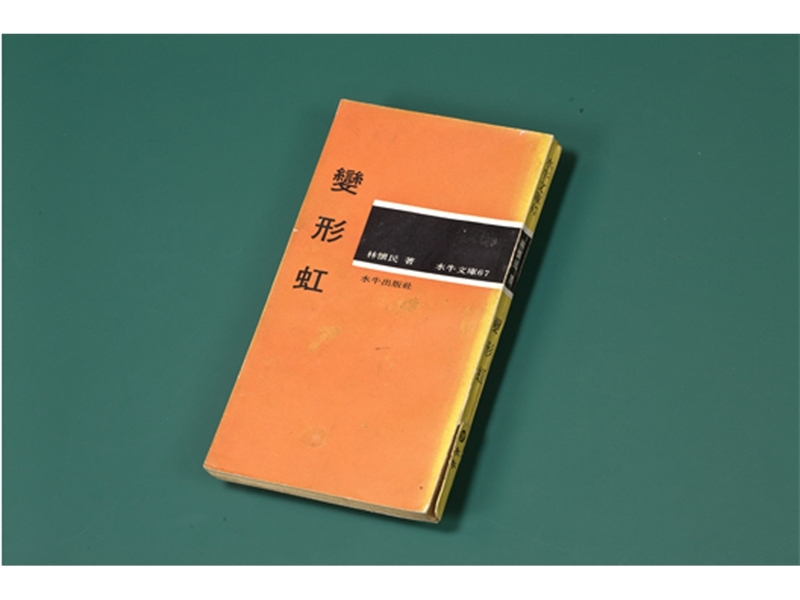
Deformed Rainbow
Lin Huai-min (1947 - ) is an author from Xingang in Chiayi County, Taiwan. Deformed Rainbow was Lin’s first published novel. It describes a university student’s fruitless search for purpose in a life he finds stiflingly boring. His death and passage into the spirit world still fails to bring happiness. The dark frustrations of youth, the fast pace of social change and lack of hope all pervade the palpable “boredom” of youth.(1968; Buffalo Book Co., Taipei; book; NMTL collection)
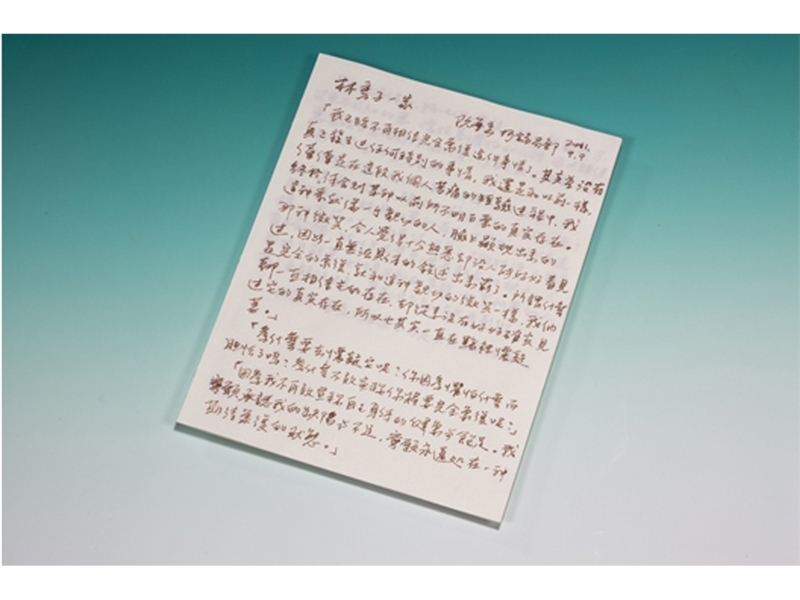
Acacia Flowers
Cheng Ching-wen (1932 - 2017) is an author from Taipei City, Taiwan. His short story Acacia Flowers follows the story of its female protagonist. It uses a light, easygoing style to highlight the conservatism and separation imposed by tradition on the two sexes. Speaking softly of fading time and unfinished business, the author encourages the reader to think about what he or she would do differently if time could be reversed.(1980s; manuscript; provided by Cheng Ching-wen)
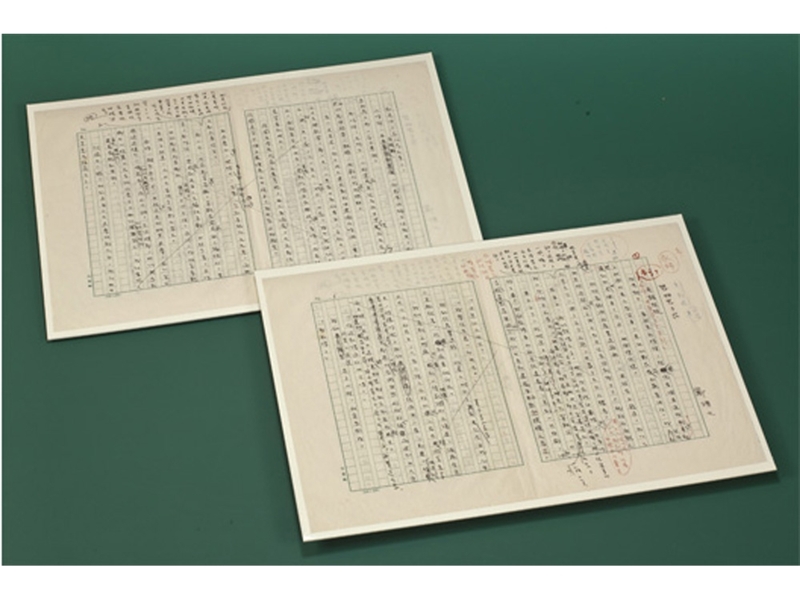
Home on the Crossroads
Ping Lu (1953 - ) is a native of Kaohsiung, Taiwan. Home on the Crossroads is a short story included in her Correspondence with a Centenarian. The narrative describes history as a bill awaiting payment and uses human relationships as a concrete example of this idea. Ping deals deftly with interwoven issues of ethnicity and gender, creating in the process her own distinct literary style.(1990s; manuscript; provided by Ping Lu)
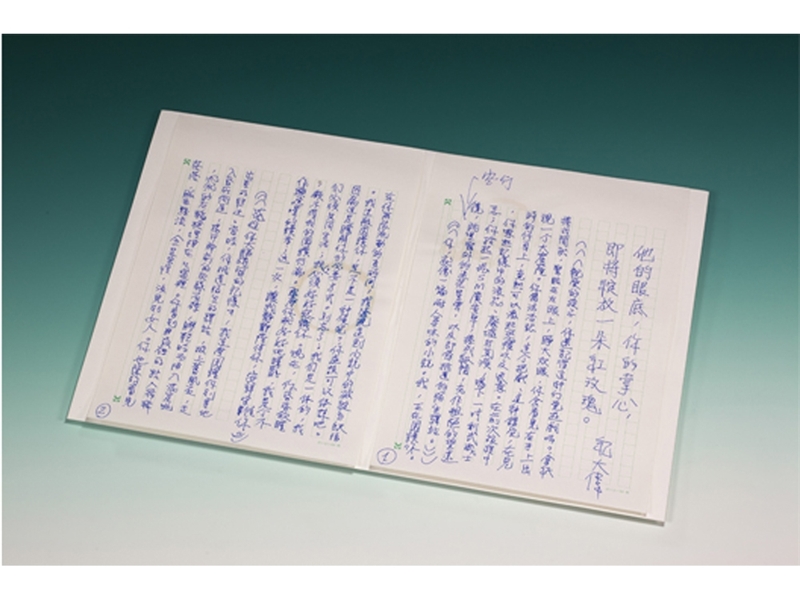
A Red Rose Soon to Bloom in His Eye and Your Palm
Chi Ta-wei (1972 - ) is a native of Dajia in Taichung County, Taiwan. A Red Rose Soon to Bloom in His Eye and Your Palm, published around 2000, was included in the anthology World of the Senses. The author sees the concept of gender as significantly more fluid than the traditional binary model. The deviant sperm in the story is the straw that breaks the back of the mythological underpinnings of heterosexual love.(clean manuscript; provided by Chi Ta-wei)
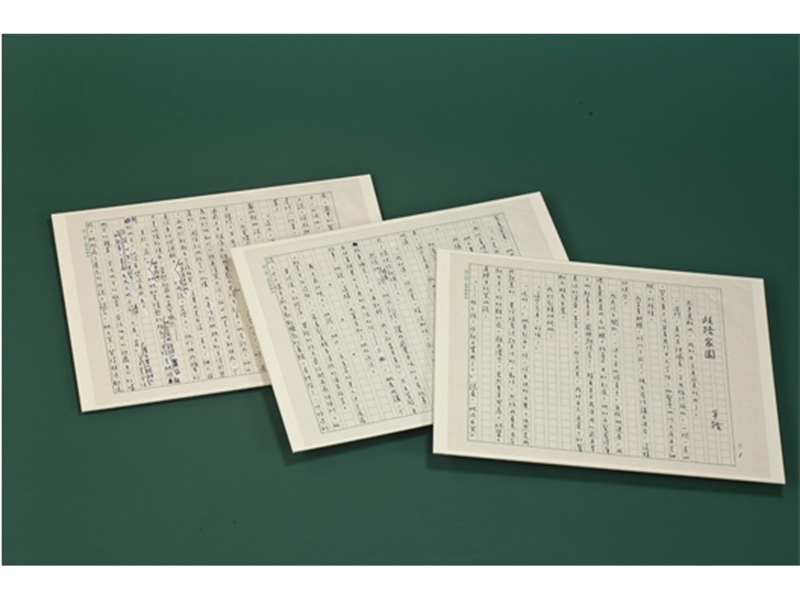
The Family of Hsiuzi Lin
Roan Ching-yueh (1957 - ) is a native of Taipei City, Taiwan. His “The Family of Hsiuzi Lin” is one of three stories in his Tung Lake Trilogy. The narrative follows the life of Hsiuzi Lin through her withering misfortune and pain and ultimate search for redemption.(manuscript; provided by Roan Ching-yueh)
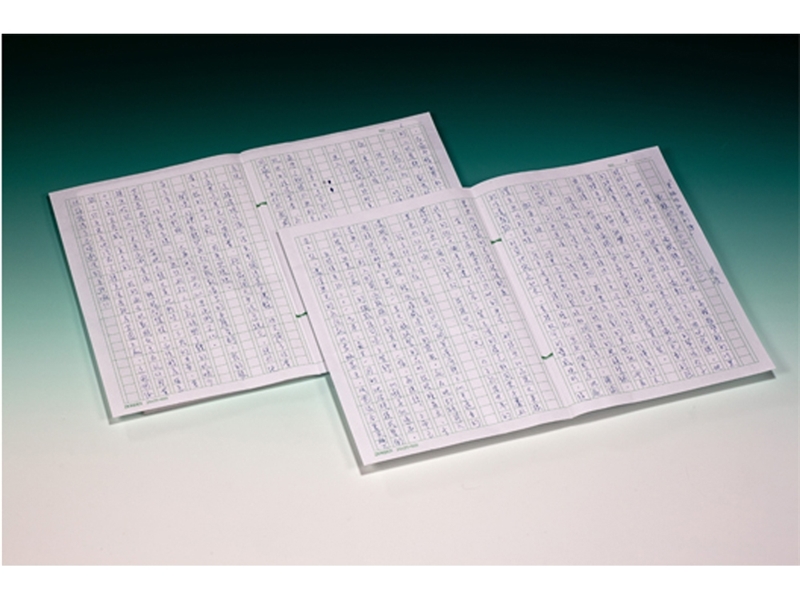
The Selected Biographies of Deviant Vampires
Hung Ling (1971 - ) is a native of Taichung, Taiwan. Selected Biographies, an original work of science fiction, is a hybrid linguistic and literary work as well. This work in the sensual genre treats “blood” as the outward manifestation of infatuation with beauty and the motivation for continued creativity.(clean manuscript; provided by Hung Ling)
Ever More Worldly
Buffeted by many modern social and philosophical movements over the past century, Taiwan has both accepted the “call” of the world and shoehorned itself into world literary circles. Taiwan literature in translation gives academics and readers overseas a better understanding of local literature and introduces the works of Taiwan authors into the international pool of creative writing and literary research.
Taiwan has been a vibrant font of literary activity for many decades, publishing a vast amount of quality creative output in Mandarin that is expanding and enriching literature in Mandarin worldwide. Our current digital age is linking local literature even more firmly with the world. Changing literary formats has opened literary creativity to everyone, opening a future for Taiwan literature of even greater depth and diversity and creating expectations of new sweet fruits to come.
Chinese Literature on Taiwan
Taiwan was widely promoted as “Free China” after 1949. Policies promoting Chinese culture and reaching out to overseas Chinese had the effect of encouraging many Chinese living around the world to relocate to the island to work and study. Not a few went on to productive literary careers. Cold War divisions also helped foster ties between cultural circles in Hong Kong. From the 1980s onward, Taiwan’s literary award calendar and publishing industry had embraced world Chinese literature and begun to infuse international influences into the domestic literary scene.
Zeros and Ones: The New Digital Age
Pioneer examples of literature and other publications in digital form appeared as early as the 1980s. The “Bulletin Board System” or BBS was launched in the 1990s. Authors used to publishing in ink on paper now had a revolutionary medium in which to create and distribute their works. Shortly before the close of the Millennia, newspaper supplements began going digital, followed by launch of Internet news channels, blogs and other digital information sources. It became increasingly easy for individuals to establish their own media channel. Traditional literary publishing channels were thus forever transformed. In the virtual realm of the Internet, readers need no longer be passive absorbers of information. Literature can now be created and critiqued and posted in real time, fostering interactive participation. The Internet has developed into an incredibly open and welcoming forum for people from all walks of life and every opinion to get closer and more involved in literature.
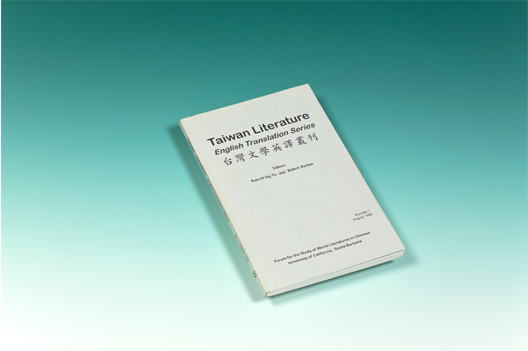
Taiwan Literature English Translation Series
This is primarily a compilation of correspondence kept by Tu Kuo-ching related to his ideas and plans for publishing the journal Taiwan Literature English Translation Series in the United States.
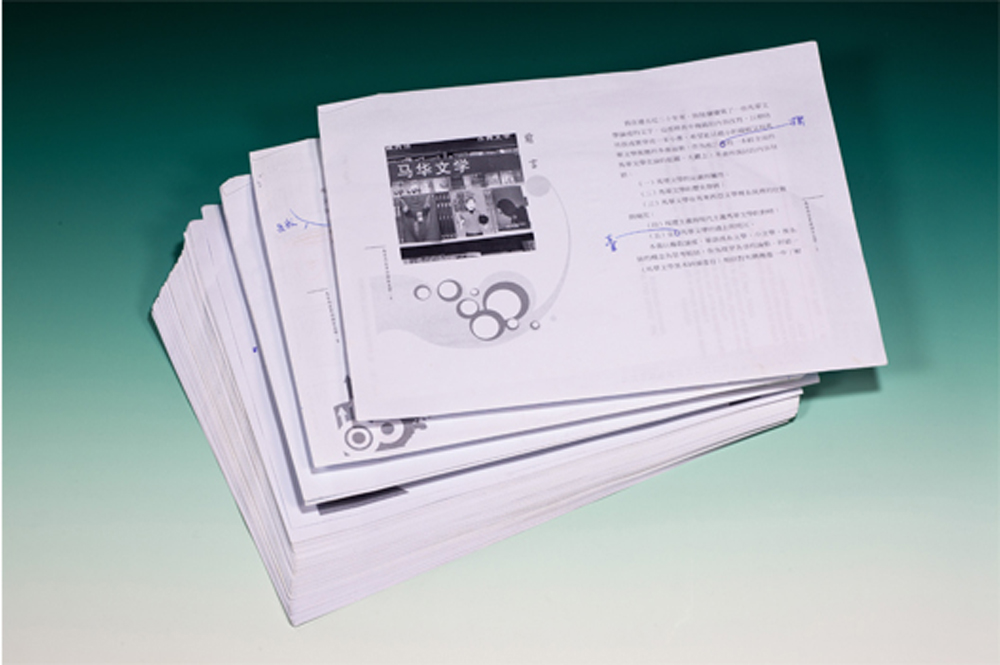
Chinese Literature in Malaysia
Zhang Jinzhong (1956 - ), a native of Pahang, Malaysia, produced this extensive academic discussion of Chinese-language literature in Malaysia. The manuscript on display here was the author’s final markup copy finished up before the book went to press.(manuscript; donated by Zhang Jinzhong)
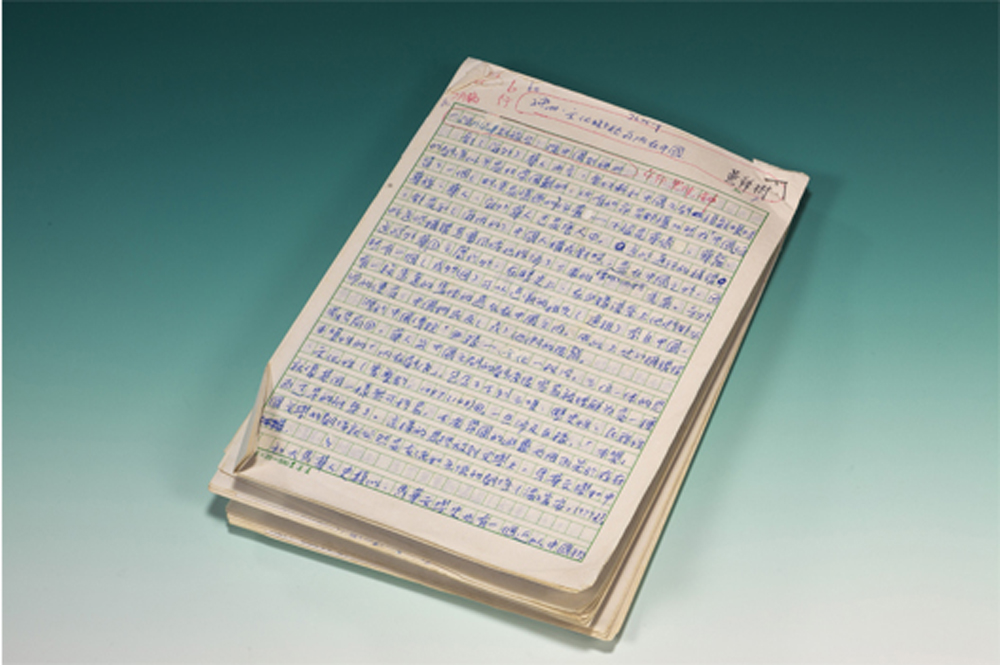
Shenzhou: Cultural Nostalgia and China of the Mind
Huang Jinshu (1967 - ) is an author from the Malaysian state of Johor Bahru. This work suggests the increasing profile of Malaysia’s Chinese-language literature in Taiwan literary circles. This work drew on liberal art sources in Taiwan to elicit the history, present and future of Chinese-language literature in Malaysia as well as its relationship to Mainland Chinese and Taiwanese literary circles.(manuscript; provided by Huang Jinshu)
Image shows
Source: