Home/Literary Panorama/Wandering Words, Free Spirits: A Travel Literature Exhibition/
Back
Defining Travel


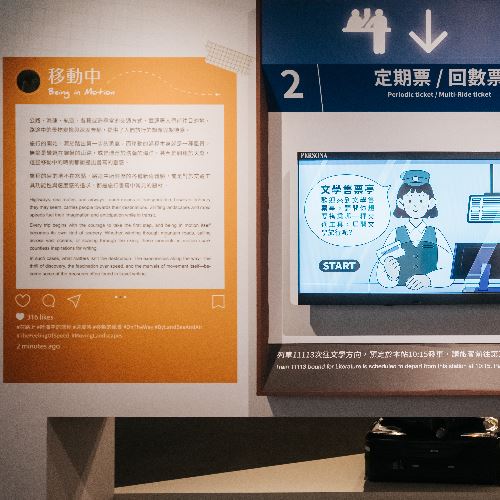
Introduction
Traveling is more than just physically moving our body from one place to another—it is also an exploration of the self and the wider world. Yet the ways in which travel has been defined through written words have evolved over time. From early records of lengthy journeys and sightseeing-style travelogues to diverse forms of contemporary travel literature, each type of work has influenced readers’ imagination of traveling, reflecting the multifaceted nature of the genre itself.
The words of travel writers not only define the meaning of traveling; they also open up endless realms of the imagination. Travel literature offers us a unique opportunity to step beyond our everyday, to reexamine our lives, and to build a worldview that is uniquely our own.
Here, travel is no longer a mere matter of changing one’s geographical location—it becomes a voyage of the soul and a quest to better oneself.
#TheMeaningOfTravel #FromTourismToTravel #WritersAroundTheWorld #JourneyOfTheSoul
Traveling and Travel Literature
Whether for the sake of appreciating natural landscapes, encounters on the road, or exploring one’s inner world, travel has always been a physical experience filled with complexities.
During the era of Japanese rule, modernization ushered in new notions of travel to Taiwan. Improved transportation led to convenient mobility, while the rise of the middle class made taking leisure trips more accessible. In the postwar years, as industry and commerce grew and globalization sparked waves of trips and outings, traveling farther became easier—and travel writing more popular.
Travel literature extends the experience of travel itself. Some forms include recollections while on the road or “eight-scenery poems” and travel reports in praise of Taiwan’s landscapes. Others turn experiences into inspiration for works of fiction, prose, and poetry. No matter the means, us readers are invited to journey alongside these travel writers as they guide us through each place without missing a single sight.
As far as writers venture, so too does the world of Taiwan expand.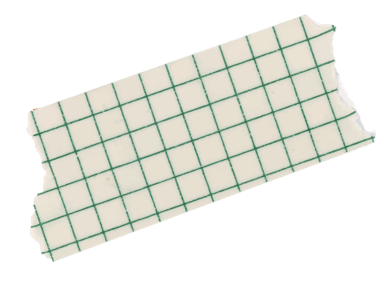
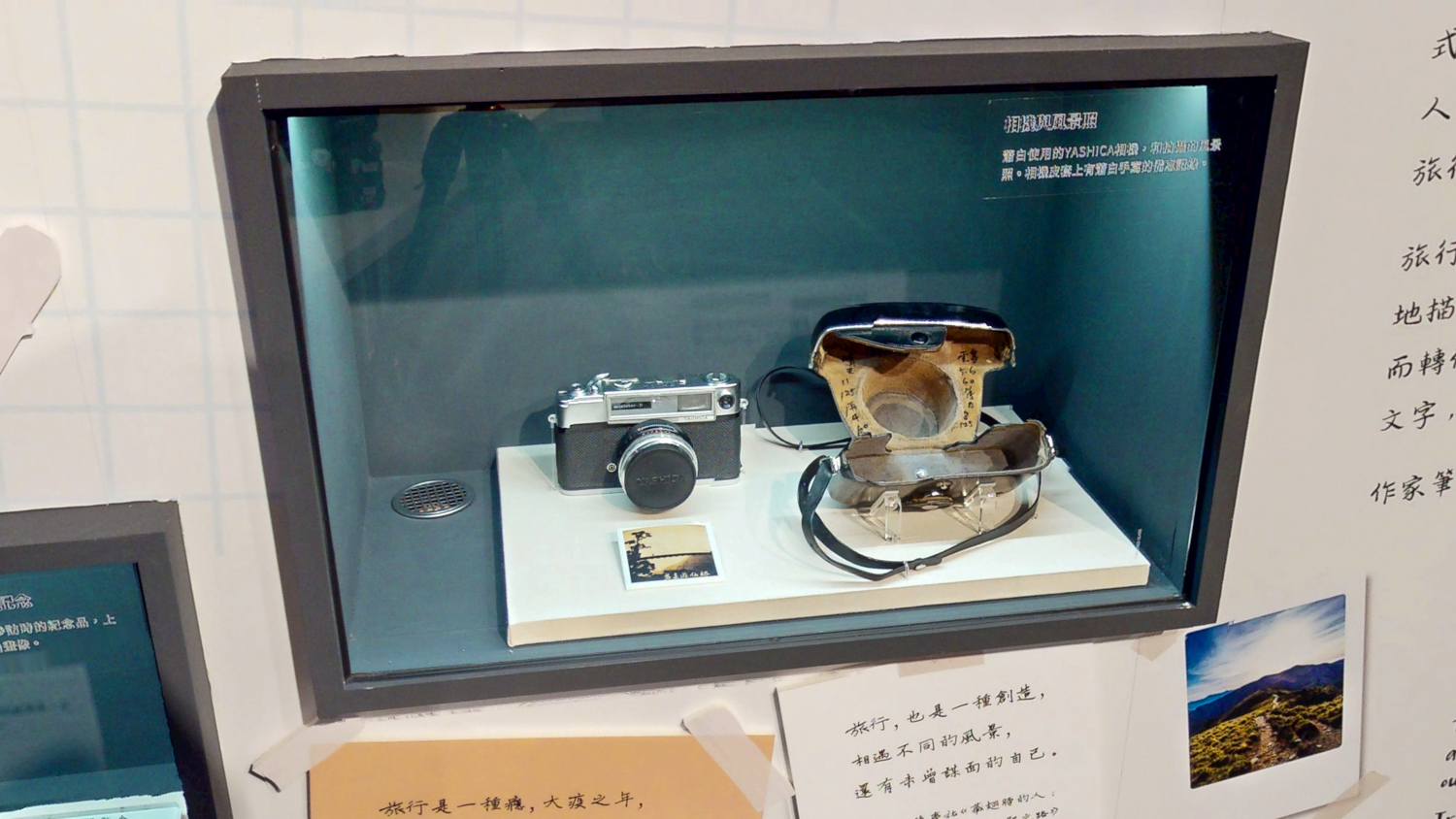
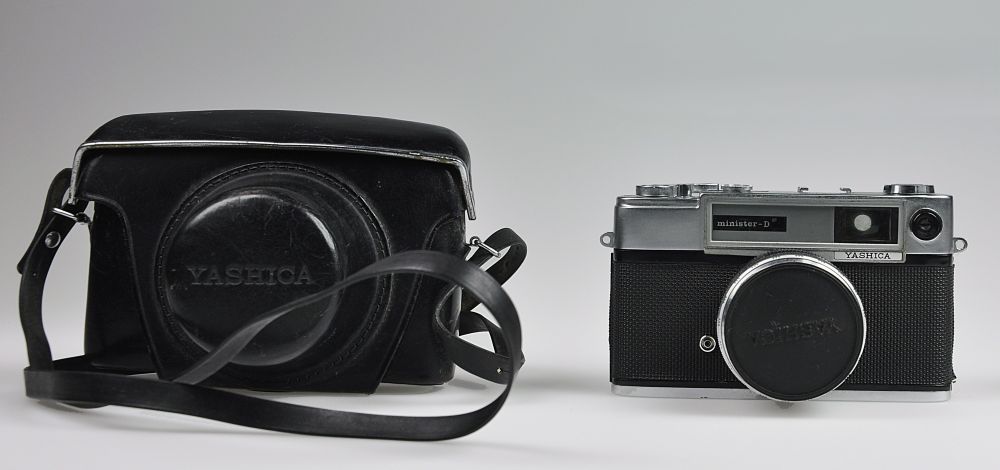
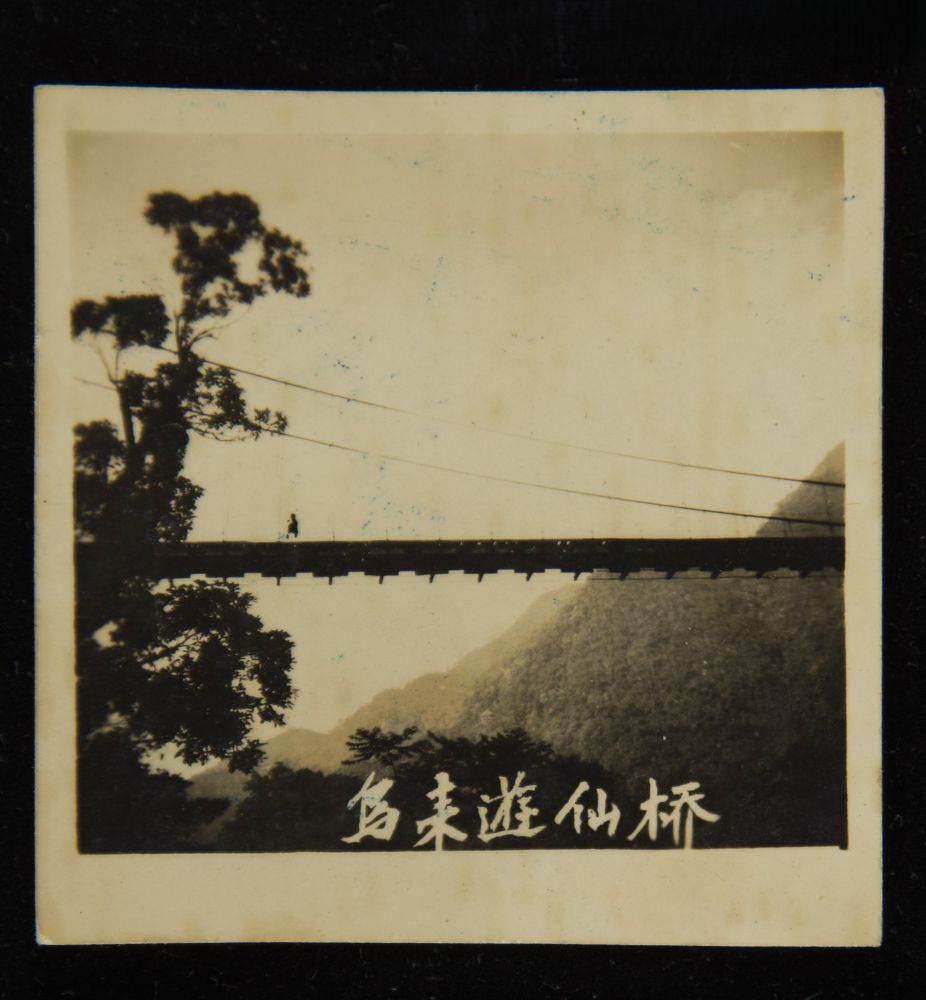
Camera and Photo of Scenery
Hsiao Pai's Yashica camera, and a photo taken with it. On the leather camera case is a note written by Hsiao Pai.
(Collection of the National Museum of Taiwan Literature)
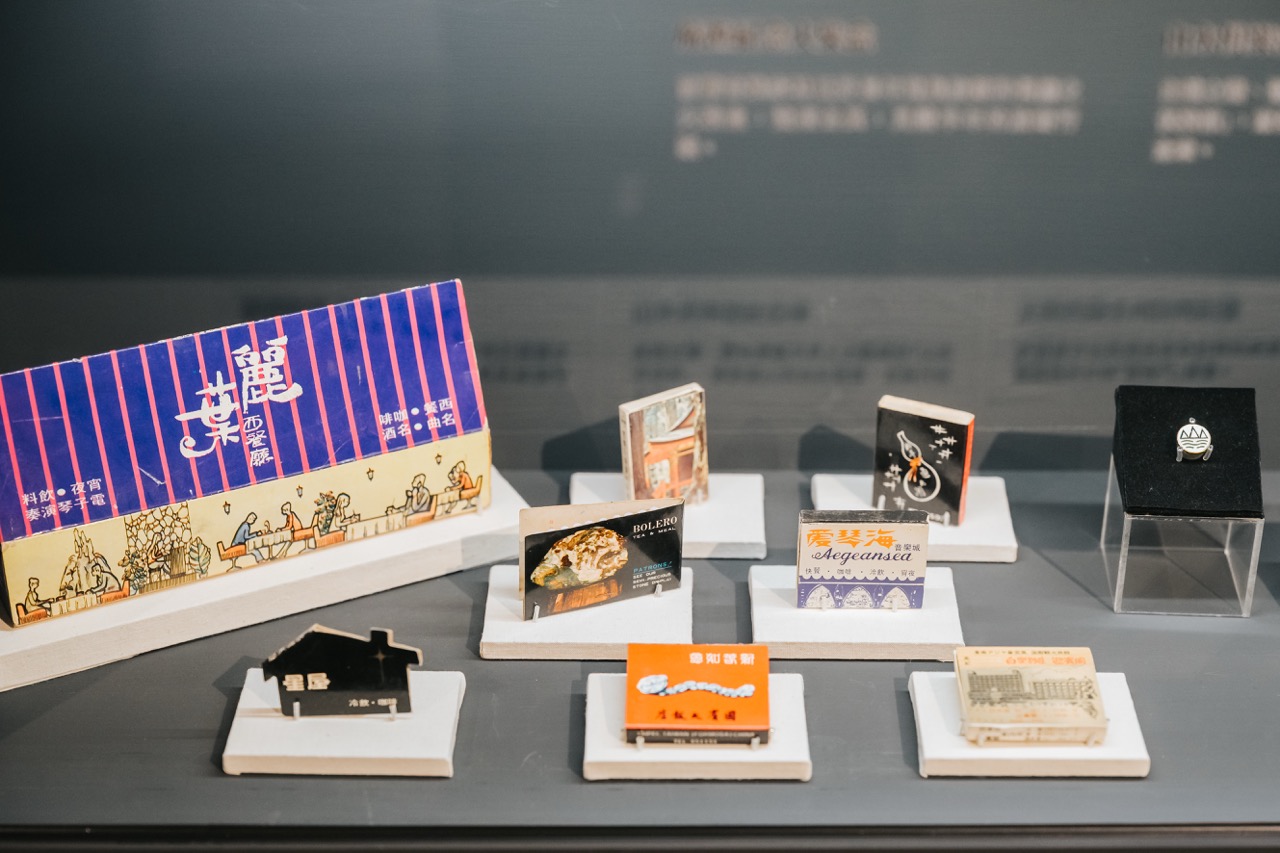
Souvenir Matchboxes
For many years, veteran musician Lin Hau collected matchboxes from hotels and restaurants she visited. They come in all shapes and sizes, and bear witness to the travels of her earlier years.
(Collection of the National Museum of Taiwan Literature)
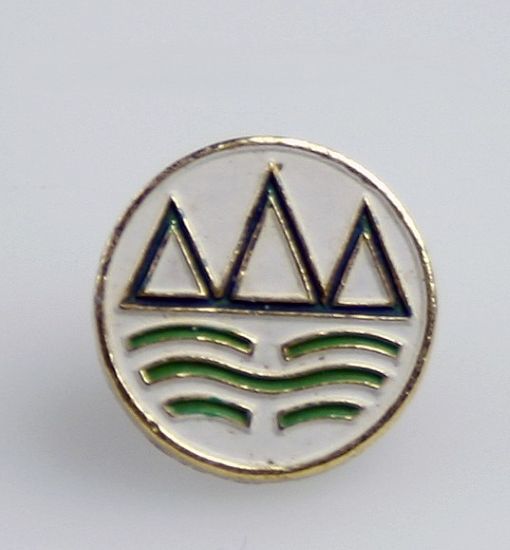
Mountain and Water Club Badge
The Mountain and Water Club was formed by Chao Zi-fan, Hsiao Pai, and other writers and artists simply to have fun hiking and swimming. The Club also produced commemorative badges like this one.
(Collection of the National Museum of Taiwan Literature)
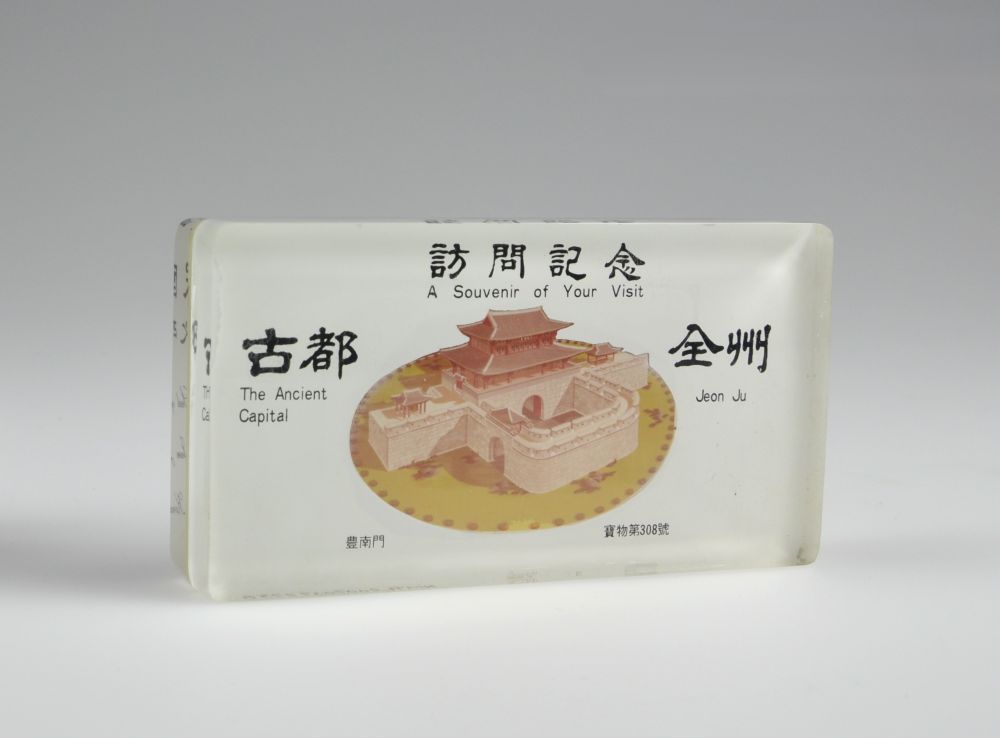
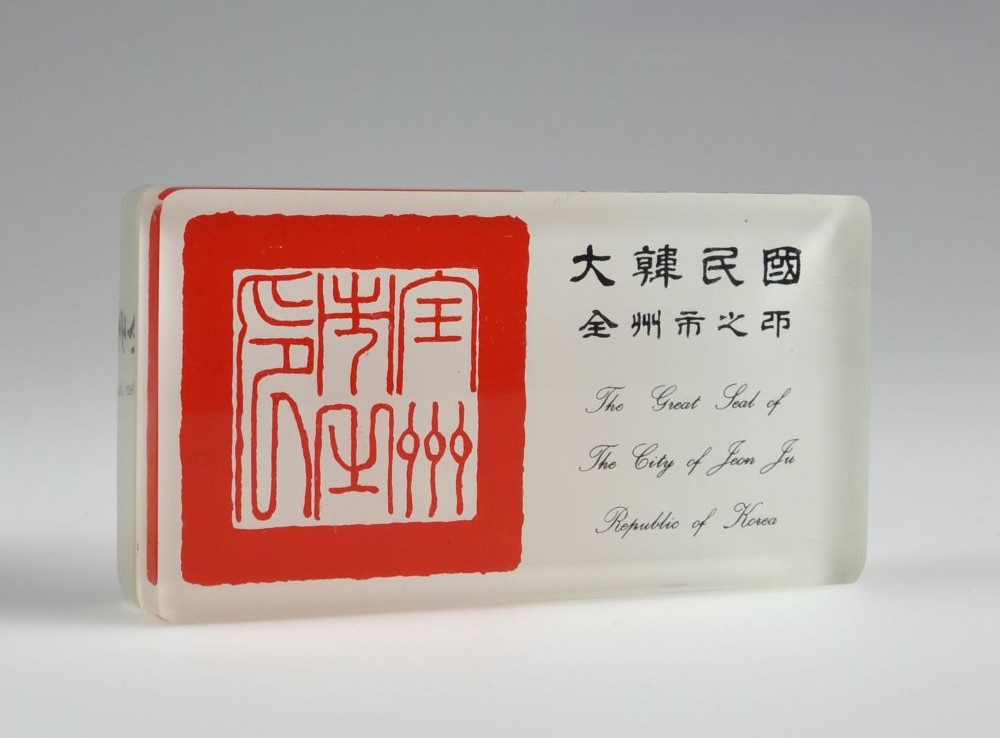
Memento of Visit to Jeonju, Republic of Korea
A souvenir from Yin Hsueh-man's visit to Korea for an interview. The image is of Pungnammun Gate in the old city of Jeonju.
(Collection of the National Museum of Taiwan Literature)
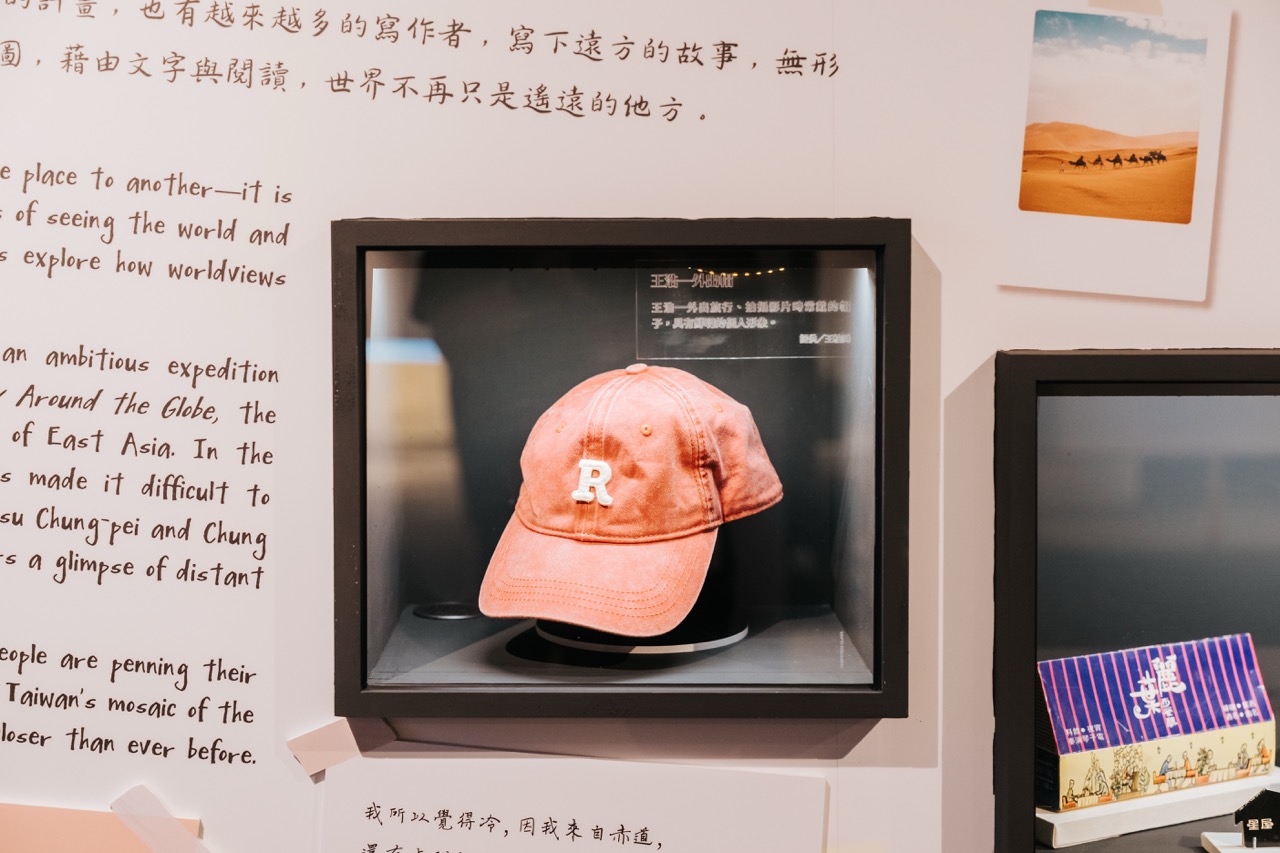
Wang Hao-yi's Outdoors Cap
This is the distinctive trademark hat which Wang Hao-yi often wore while traveling or shooting films.
Provided by Wang Bai-shun.
Seeing the World from Taiwan
Traveling is more than just physically moving our body from one place to another—it is also an odyssey of the soul. Through travel, we learn new ways of seeing the world and expand our horizons beyond the land beneath our feet. Let us explore how worldviews were widened for those in Taiwan’s past.
During the era of Japanese rule, Lin Hsien-tang completed an ambitious expedition around the world in 1928. By recording his experiences in Journey Around the Globe, the horizons of Taiwan’s people were expanded beyond the islands of East Asia. In the postwar years under martial law, when strict border controls made it difficult to travel abroad, the essays and travelogues of writers such as Hsu Chung-pei and Chung Mei-yin, as well as Stories of the Sahara by Sanmao, gave readers a glimpse of distant lands and a taste of the exotic.
Today, traveling abroad is no longer a rare privilege, and more people are penning their stories of their time afar. In their own ways, they have added to Taiwan’s mosaic of the world, showing that words and reading have made the world feel closer than ever before.
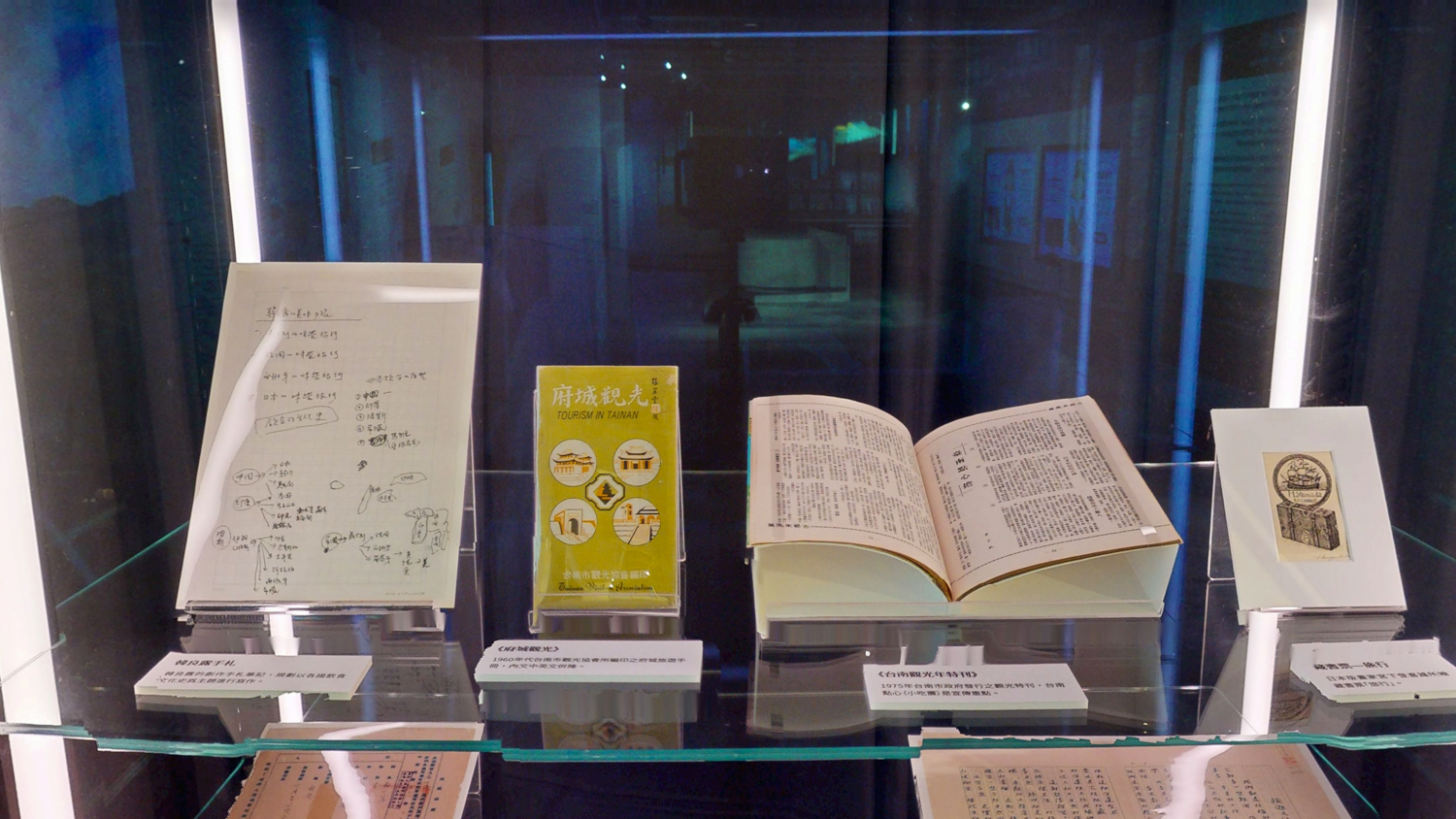
( From left to right)
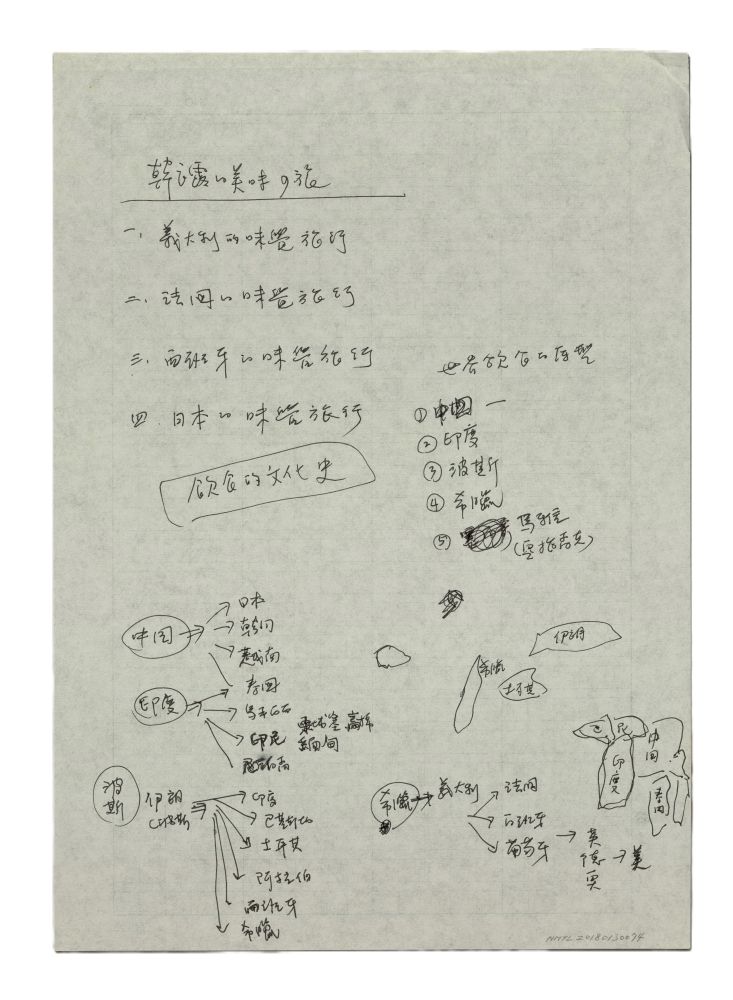
Writings by Han Liang-lu
Han Liang-lu structured each these essays around the food culture and history of a different country.
(Collection of the National Museum of Taiwan Literature)
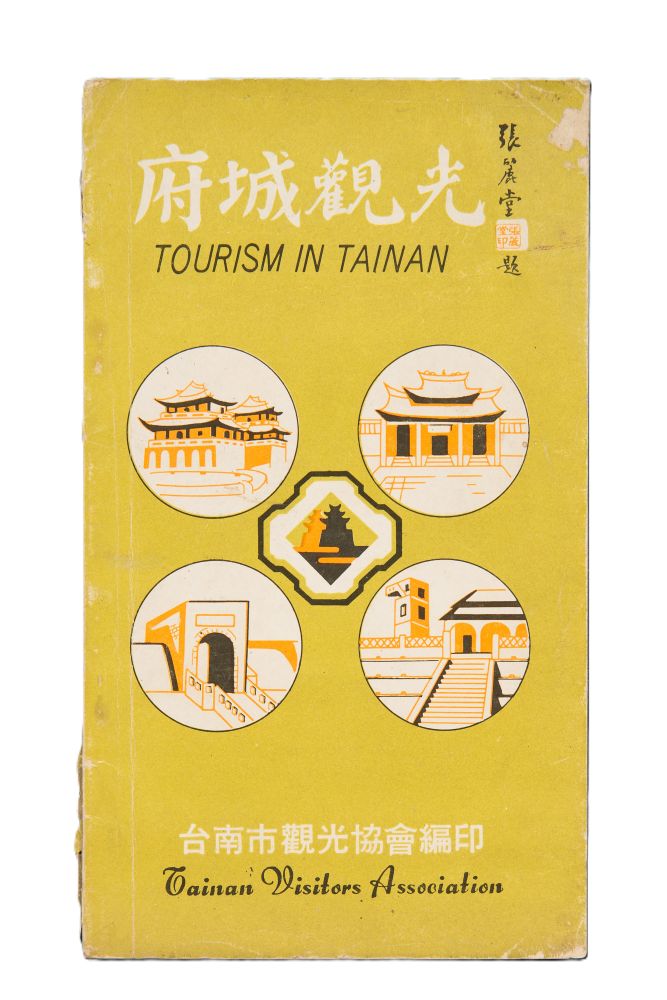
TOURISM IN TAINAN
In the 1960s, the Tainan Visitors Association published this bilingual tourist guideboo, which featured English and Mandarin content side-by-side.
(Collection of the National Museum of Taiwan Literature)
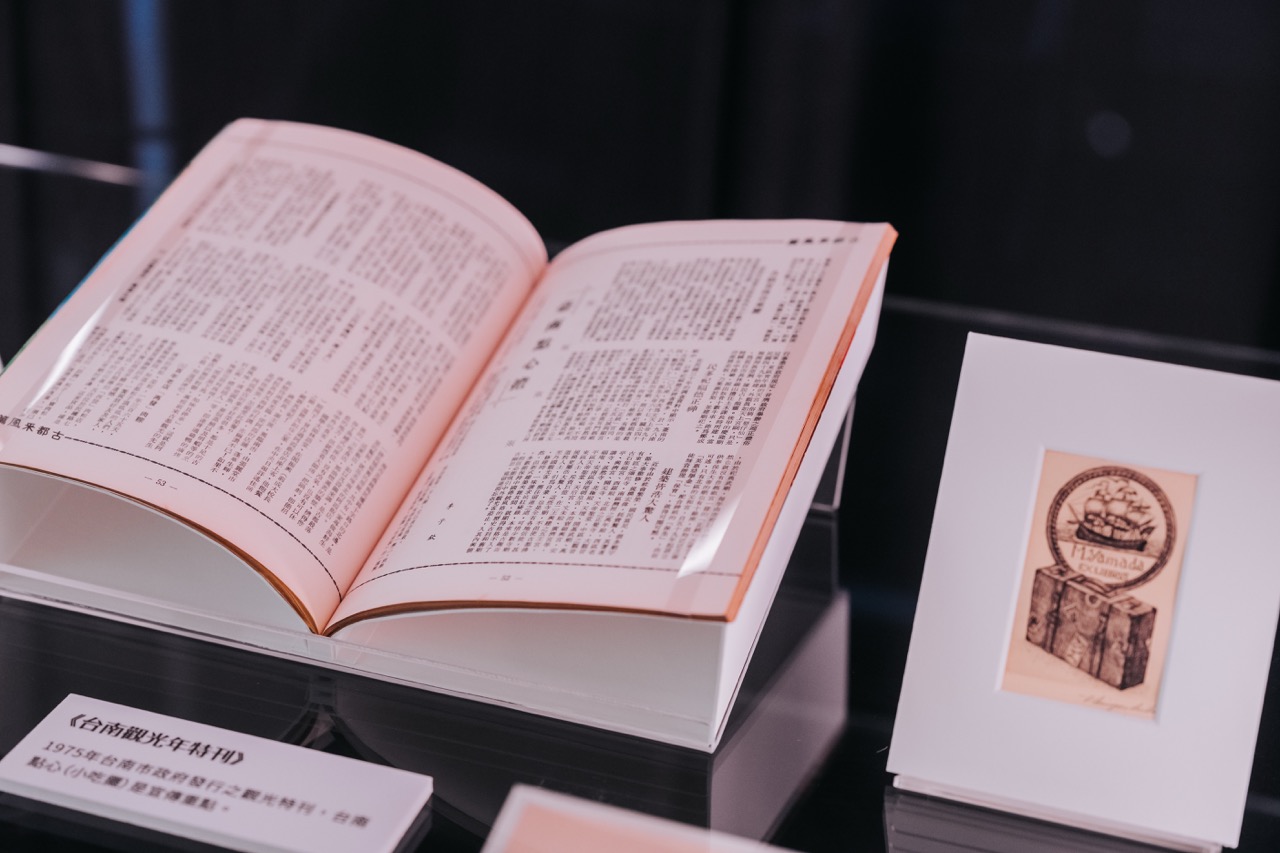
Tainan's Year of Tourism
A special tourism brochure published by the Tainan City government in 1975, highlighting Tainan's snack stalls.
(Collection of the National Museum of Taiwan Literature)
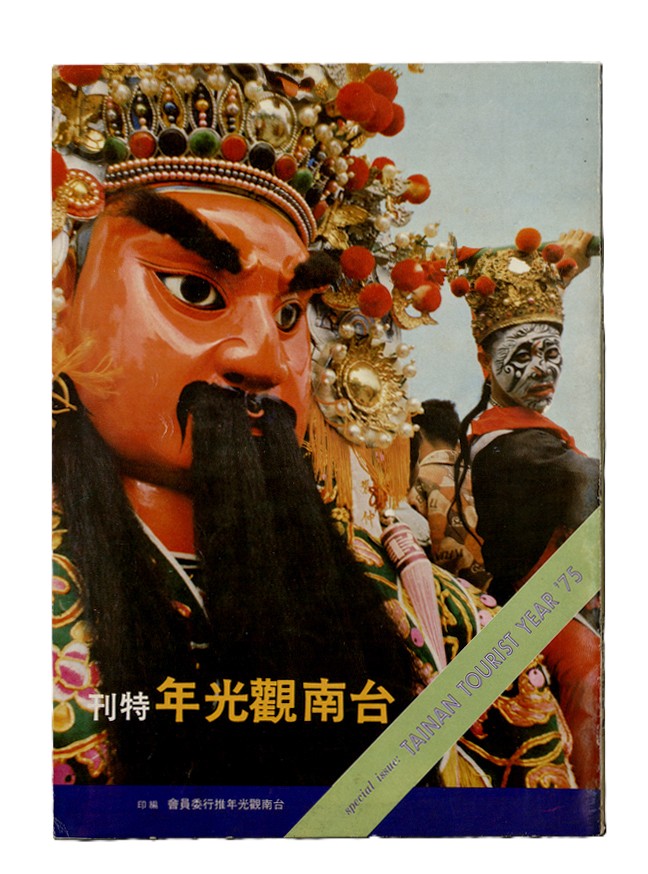
"Travel" Bookplate
Titled "Travel," this ex libris was illustrated by Japanese comic book artist Miyashita Tokio.
(Collection of the National Museum of Taiwan Literature)
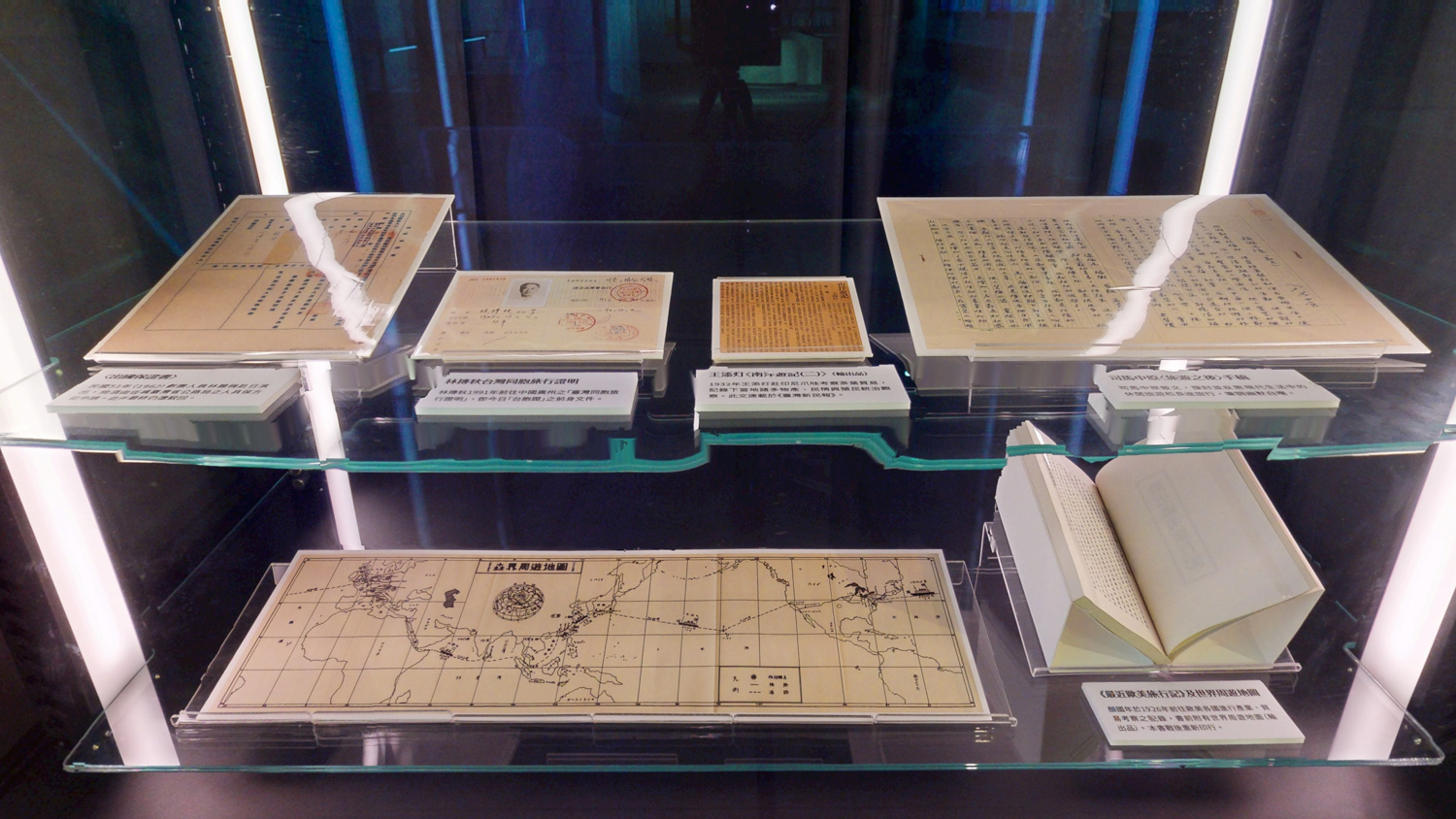
(From top to bottom, From left to right)
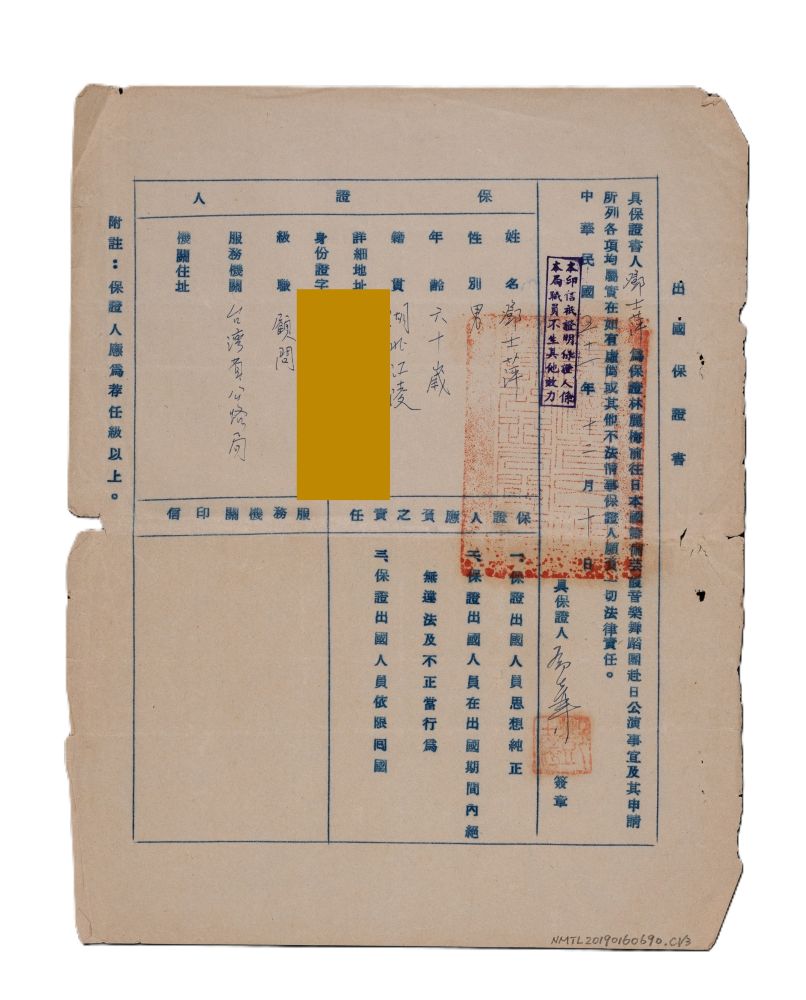
Travel Abroad Letter of Guarantee
When theater actress Lin Li-mei wanted to perform in Japan in 1962, she first needed to find a guarantor from the Highway Bureau in order to apply to leave the country. This application was ultimately rejected.
(Collection of the National Museum of Taiwan Literature)
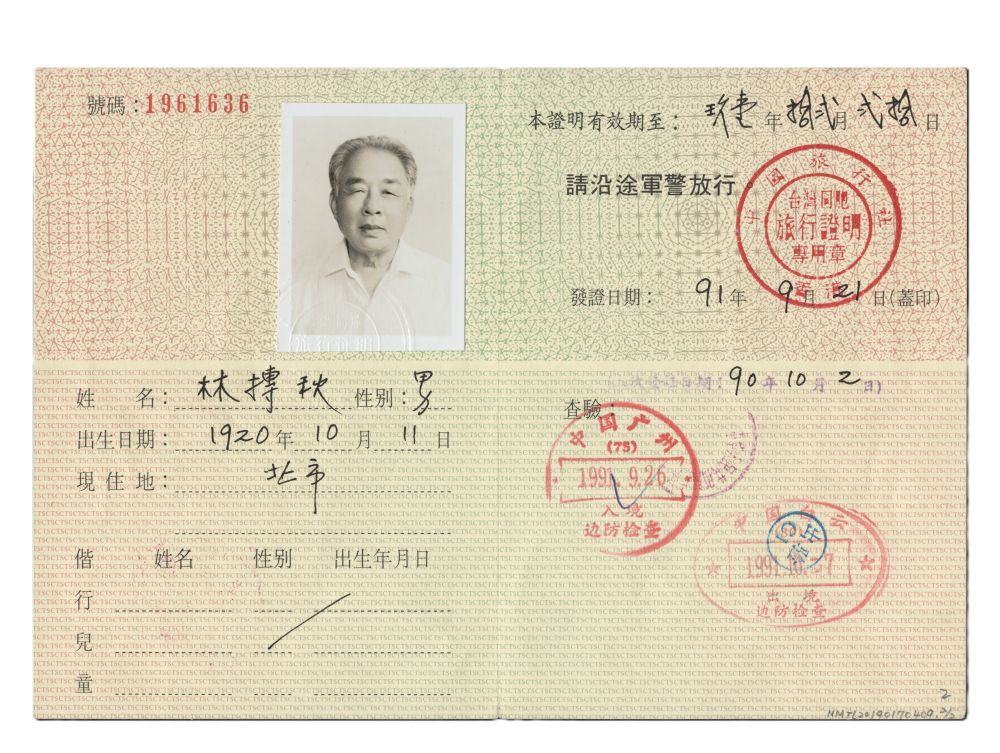
Lin Tuan-chiu's Taiwan Compatriot Travel Permit
This is Lin Tuan-chiu's "Taiwan Compatriot Travel Permit" from his 1991 trip to Guangzhou, China. Documents like these were the forerunners of today's Taiwan Compatriot Permit.
(Collection of the National Museum of Taiwan Literature)
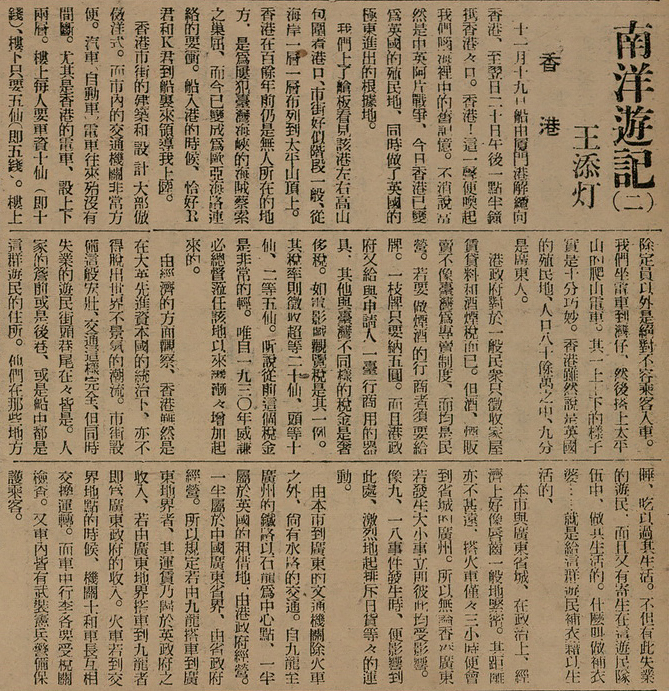
Wang Tian-deng's "South Seas Travels II"
In 1932, Wang Tian-deng visited Java, Indonesia to research the tea trade, and recorded his observations on local products, customs, and colonial rule. His work was serialized in Taiwan New People Newspaper.
(Collection of the National Museum of Taiwan Literature)
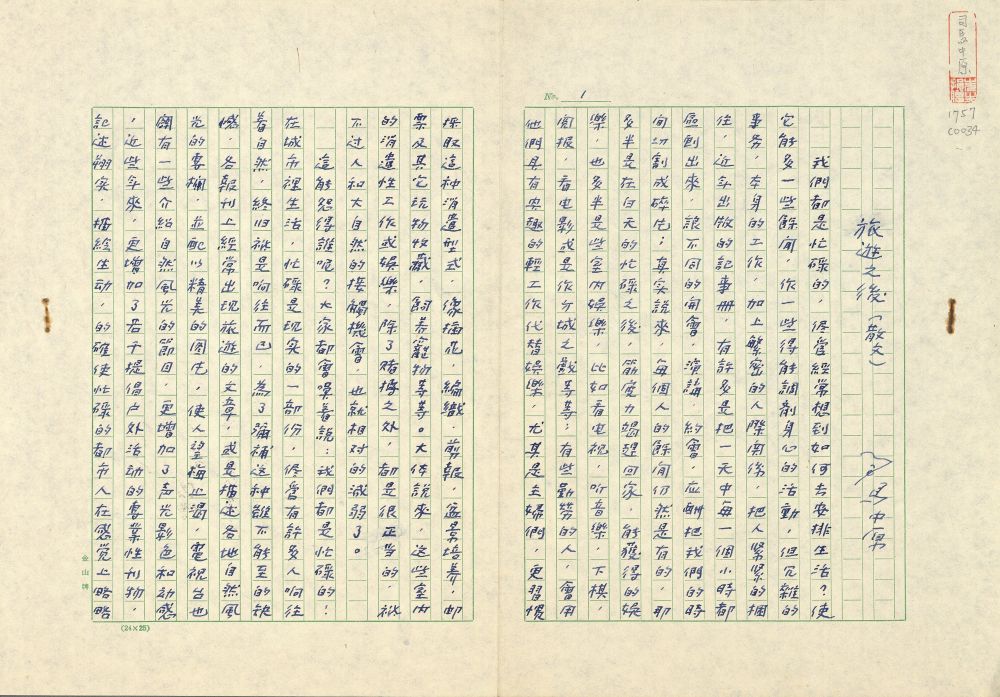
Manuscript of Sima Zhongyuan's "After the Journey"
Full of self-deprecating humor, this essay by Sima Zhongyuan explores and reflects on the role of tourism and travel in modern life.
(Collection of the National Museum of Taiwan Literature)
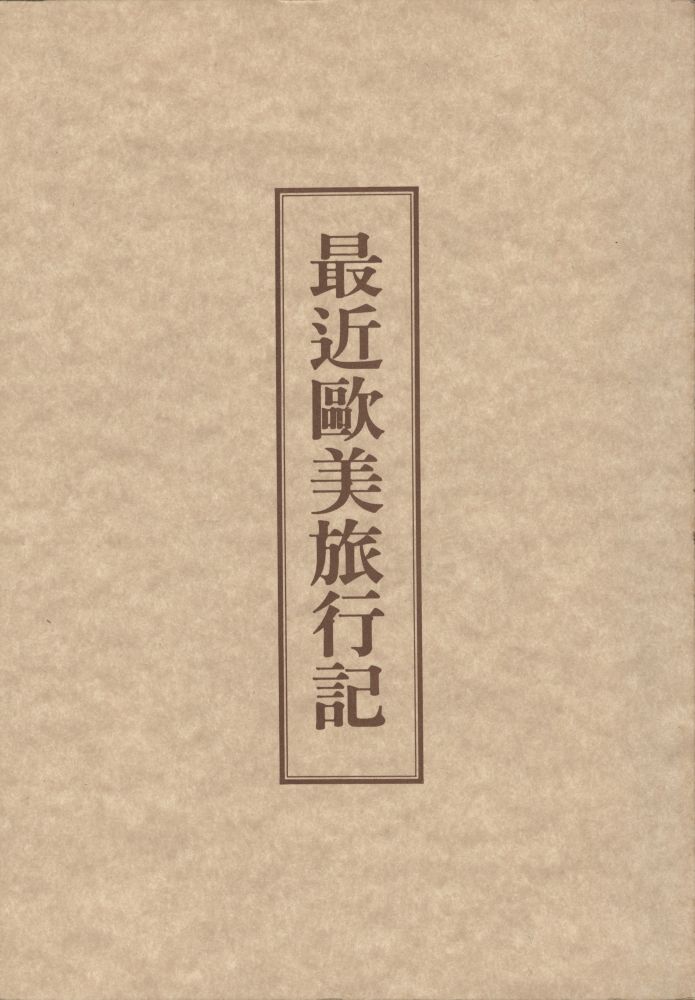
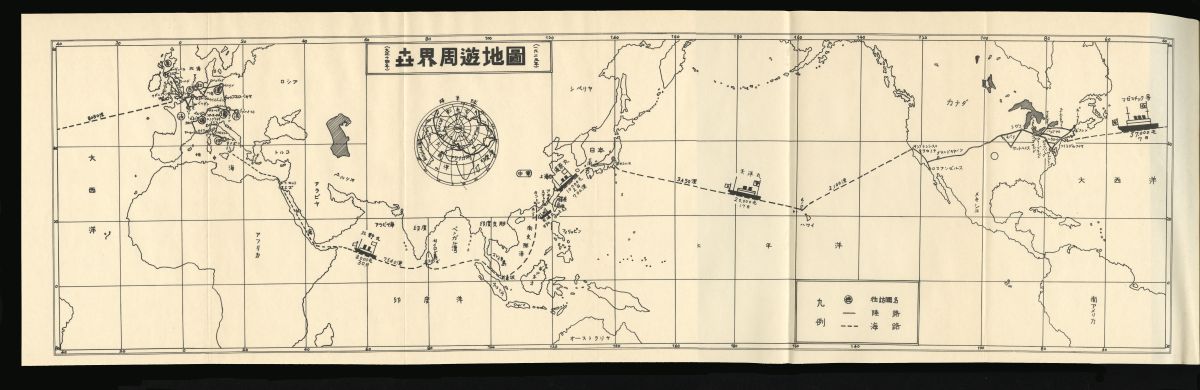
A Recent Journey to Europe and America and Map of World Travel
Yan Guo-nian visited the United States and Europe to research products an industry in 1926. This account of his observations is prefaced with a map showing his route around the world. The book was reprinted after World War II.
(Collection of the National Museum of Taiwan Literature)
1. Privacy protection policy.
Personal privacy has become the main concern of users when browsing in the online world. The National Museum of Taiwan Literature (hereinafter referred to as the museum) has specially created a privacy protection policy. How to collect and use data", "Cookies, IP address", and "Protection and Use of Personal Data" to explain and declare:
(1) How to collect and use personal data:
In order to provide you with the best on this website The website service, according to different pages, will ask you to provide relevant personal information. The scope is as follows: This website is when you use the system function forms such as e-newslet subscription, group tour reservation, event registration, joining literary friends and publishing seminar information , Will retain the name, email address, contact method and usage time you provided.
(2) Cookies and IP Address:
When a user visits this website, the server will record relevant behaviors by itself, including the IP address of the connected device, time of use, browser used, browsing and click data records Etc., as a reference for us to improve our website services, this record is an internal application and will never be published.
(3) Protection and utilization of personal data:
The hosts of this website are equipped with various information security equipment such as firewalls, anti-virus systems and necessary safety protection measures to protect the website and your personal data. We adopt strict protection measures. Only authorized personnel can access your personal data. The relevant processing personnel have signed confidentiality contracts. Anyone who violates confidentiality will be punished by relevant laws.
Although this website will do its utmost to maintain the user’s personal data (not misused or disclosed), because the transmission of network data cannot ensure 100% security, this website cannot be sure or guarantee that the user’s or The data we send to users is completely secure. Regarding the above risks, users must be asked to bear them.
Unless you obtain your consent or other special provisions of laws and regulations, this website will never expose your personal data to a third party or use it for other purposes than the collection purpose.
2. Information Security Policy
The National Museum of Taiwan Literature (hereinafter referred to as the museum) respects and protects your security and privacy protection while using the Internet, in order to help you understand how the "National Museum of Taiwan Literature Global Information Network" protects your use of various services on this website For security, and how to collect, apply and protect the personal information you provide, please read the privacy protection and security policy of the "National Taiwan Literature Museum Global Information Network". Please read the following instructions carefully. You are also welcome to tell us your thoughts. If you have any comments or questions, please E-mail to twp@nmtl.gov.tw for
any unauthorized attempts to upload or modify the information provided by the library All services and related information activities are strictly prohibited and may violate the law. For site security purposes and to ensure that the service will continue to serve all Internet users, this site provides the following security measures:
. Use a network intrusion detection system to monitor network traffic to identify unauthorized attempts to upload or change, web page information, or sabotage.
. Install a firewall to prevent illegal intrusion, destruction, or theft or destruction of data, to avoid illegal use of the website, and to protect the rights of users.
. Install anti-virus software to scan for viruses regularly to provide users with a safer web browsing environment.
. Simulate hacker attacks from time to time, exercise system response procedures when security incidents occur, and provide appropriate security defense levels.