訊息
OK
-
-
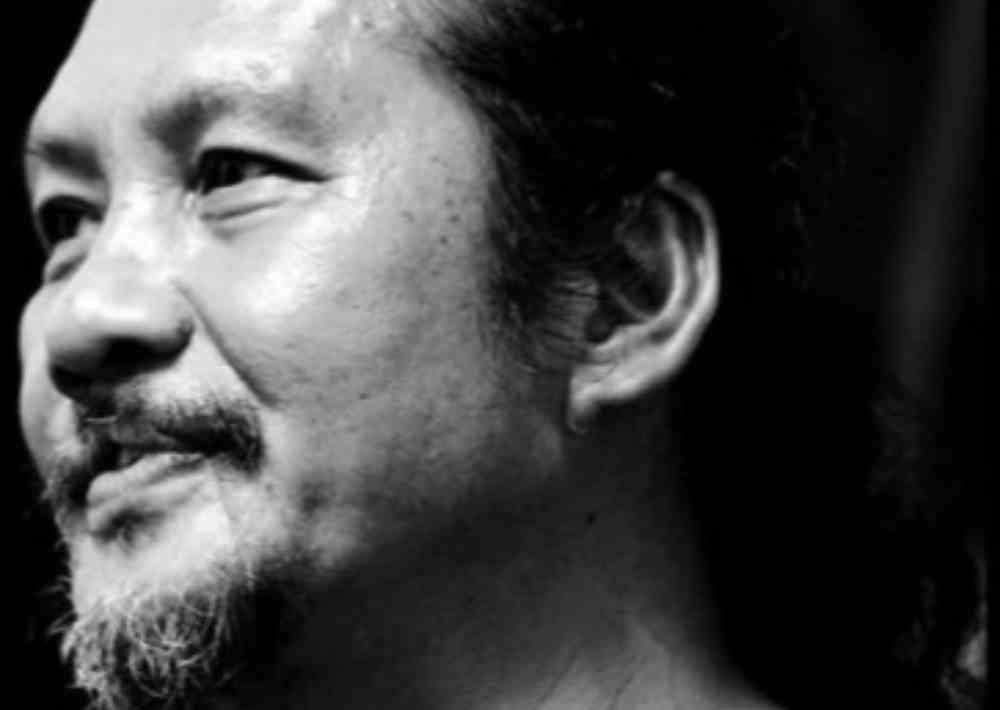
Walis Nokan Archive
In 1961, Walis Nokan was born in the native Atayal tribe, Mihu, in the southern part of Xueshan (literally “Snow Mountain”) in north-central Taiwan (For sure, he didn’t know he would become a writer under Han Chinese discipline in the future). Not until the age of 12 did Walis Nokan start his Han education in a small Hakka town—Dongshi, where he needed to study books of “civilization” in a racist environment (otherwise, he would be regarded as a “bad” student). Walis Nokan gave up the flamboyant and arty style in creating poetry after he met Wu Sheng in 1979, a poet from a poem club in Taichung, who surprised Walis Nokan and made him realize that plain words are also able to evoke the power of land. He then met the poet Lin Huazhou, who wrote about the Atayal in Nan’ao of eastern Taiwan, when he went to teach in Hualien, also of eastern Taiwan in 1983. In 1984, he met laohungmao, literally “old red hat,” referring to the elder communists in Taiwan, and read a lot of magazines published by Chinatide Magazine, an association focusing on democracy and people. In 1990, he conducted field work in aboriginal tribes in mountains for two years for the magazine he established, which depicts aboriginal Hunter Culture Magazine. All these experiences help Walis Nokan shape his later literary style of postcolonialism and decolonization. ——Walis Nokan (translation by Fran Lee)
GIS
Event Group
-
-
-
Chronology
1961
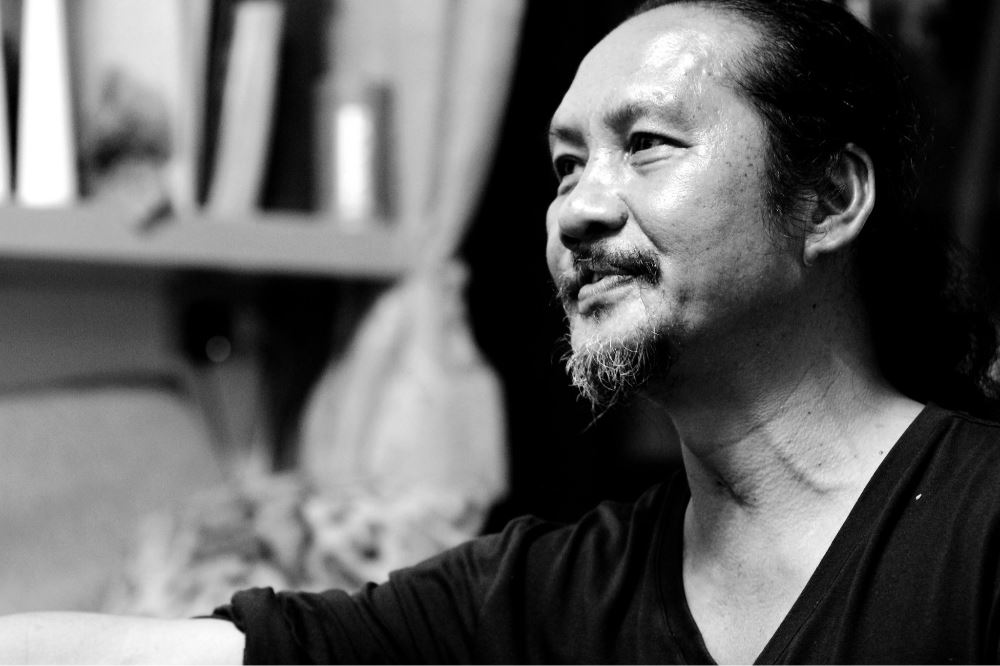
In 1961, Walis Nokan was born in the native Atayal tribe, Mihu, in the southern part of Xueshan (literally “Snow Mountain”) in north-central Taiwan (For sure, he didn’t know he would become a writer under Han Chinese discipline in the future). Not until the age of 12 did Walis Nokan start his Han education in a small Hakka town—Dongshi, where he needed to study books of “civilization” in a racist environment (otherwise, he would be regarded as a “bad” student). Walis Nokan gave up the flamboyant and arty style in creating poetry after he met Wu Sheng in 1979, a poet from a poem club in Taichung, who surprised Walis Nokan and made him realize that plain words are also able to evoke the power of land. He then met the poet Lin Huazhou, who wrote about the Atayal in Nan’ao of eastern Taiwan, when he went to teach in Hualien, also of eastern Taiwan in 1983. In 1984, he met laohungmao, literally “old red hat,” referring to the elder communists in Taiwan, and read a lot of magazines published by Chinatide Magazine, an association focusing on democracy and people. In 1990, he conducted field work in aboriginal tribes in mountains for two years for the magazine he established, which depicts aboriginal Hunter Culture Magazine. All these experiences help Walis Nokan shape his later literary style of postcolonialism and decolonization. ——Walis Nokan (translation by Fran Lee)
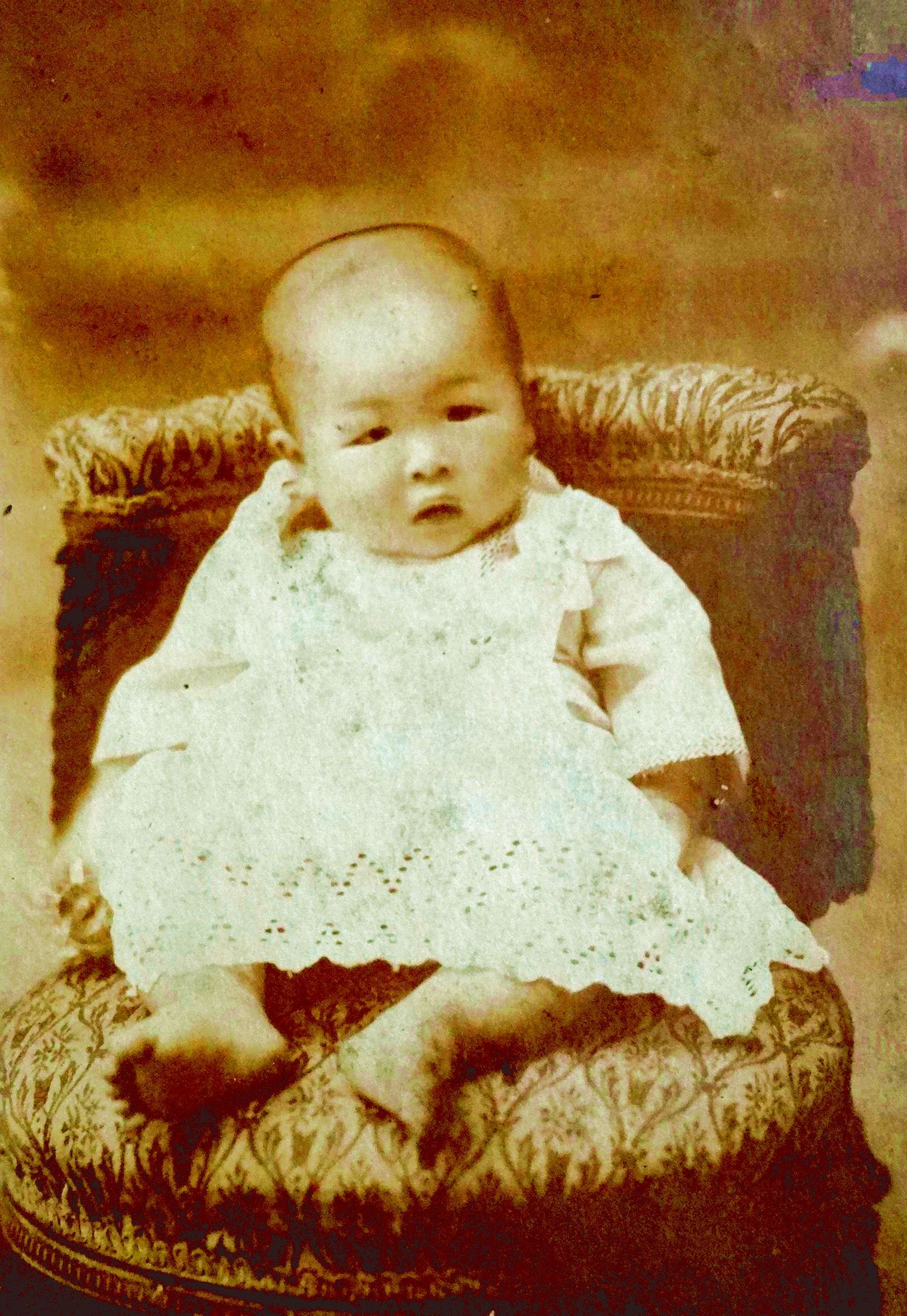
1961
Born in an aboriginal Atayal tribe named Mihu.
1973
Went to Tungshih Junior High School, where he was often discriminated due to his aboriginal identity.
1976
Entered the Taiwan Provincial Junior Teachers College in Taichung (current National Taichung University of Education) .
1977
Joined the Comet Poets Society, he read extensively the poetry by Chou Meng-tieh, Yu Guangzhong, and Yang Mu, and composed his first modern poem. He started to pay attention to the life of the lower class in society after learning about Wu Cheng’s poet...
1979
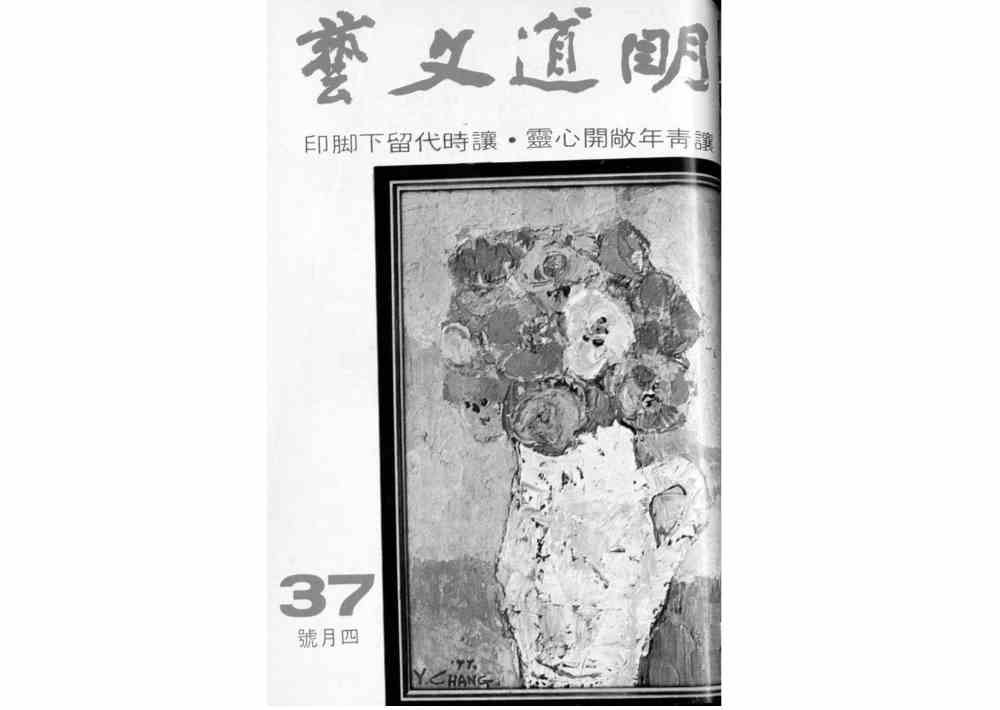
Published a prose on the 37th issue of the magazine Mindao Literature & Art.
1980
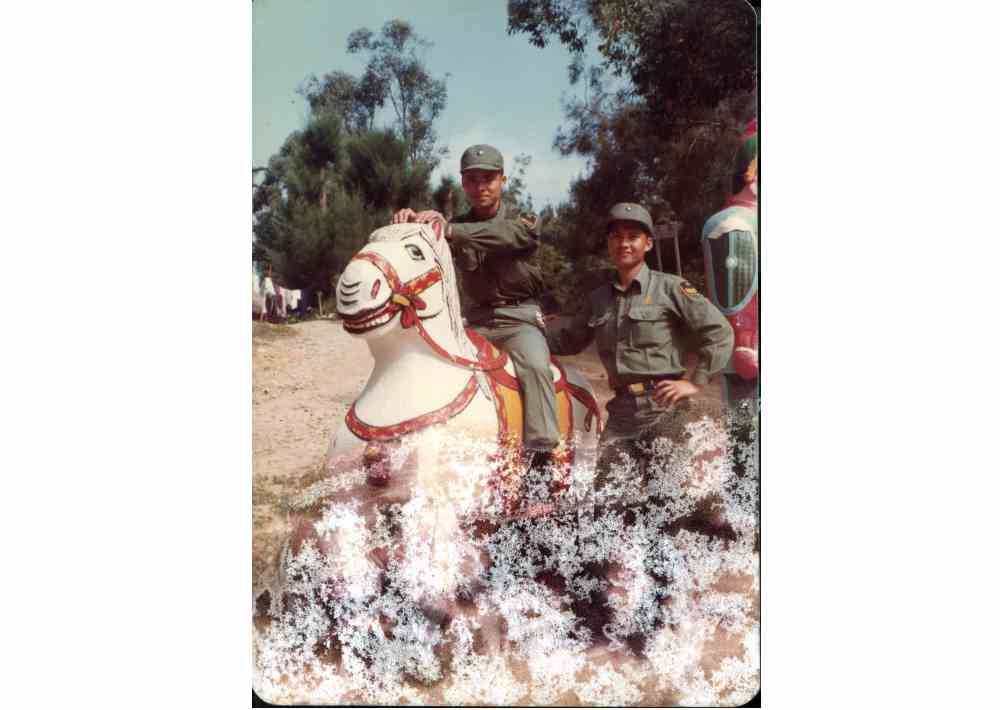
Military service in Kinmen.
Walis Nokan (the right) (Provided by Walis Nokan)
1983
Began to publish his works under the pseudonym Liu Ao.
1983
赴花蓮縣富里國小任教,創作「與學童書」、「學童記載」系列作品。
1984
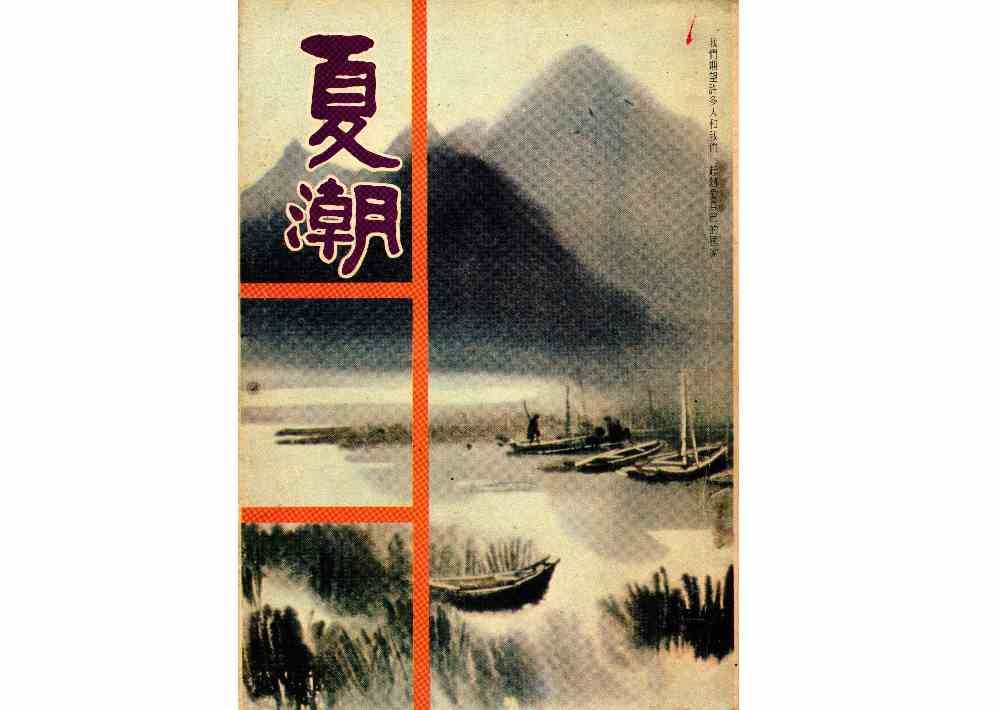
Rise of ethnic consciousness.
Met some Communists in Taiwan and learned a rough picture of the social condition of Taiwan’s aboriginals.
Works
All
・
Prose
・
Poetry
・
Others
・
Novel
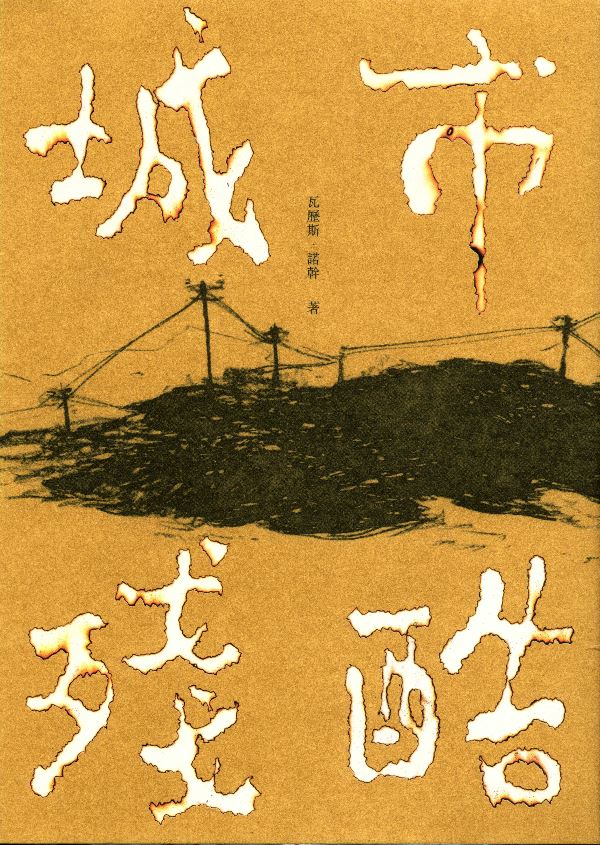
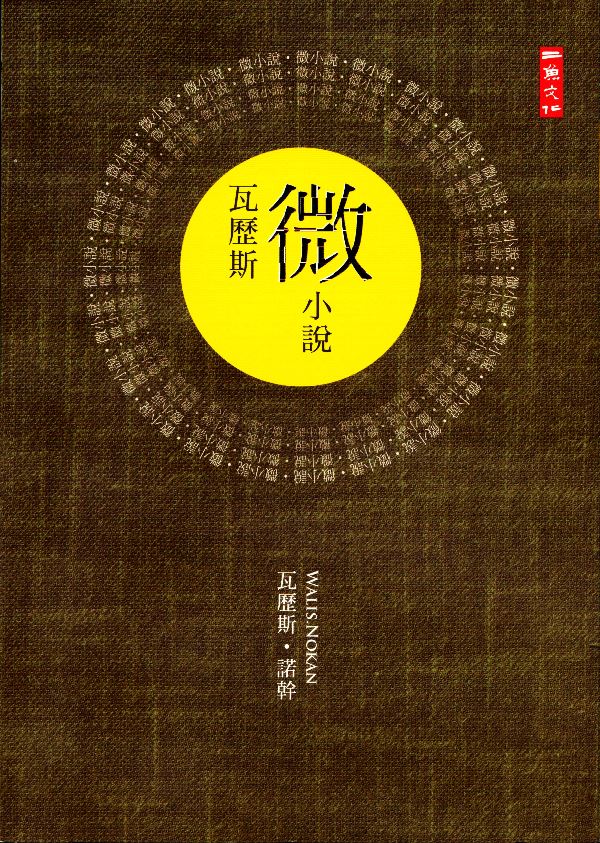
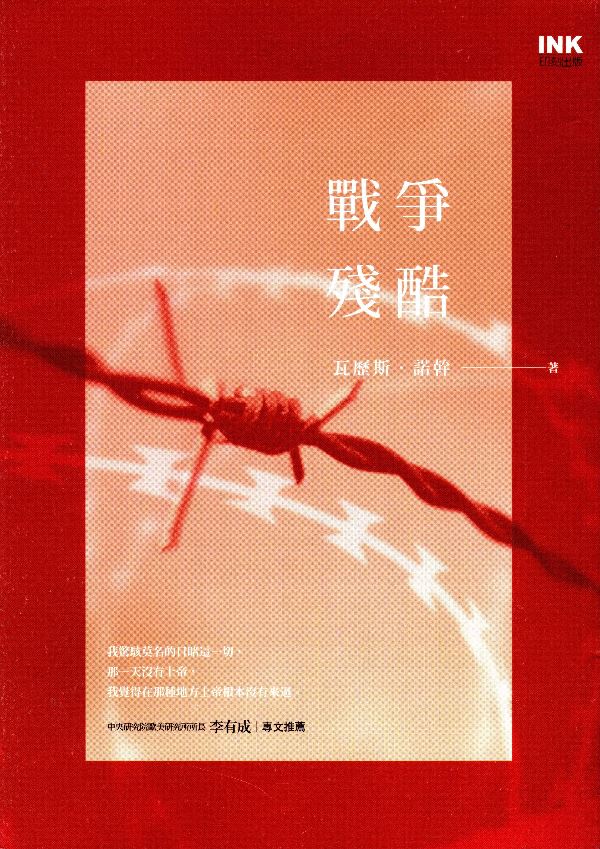
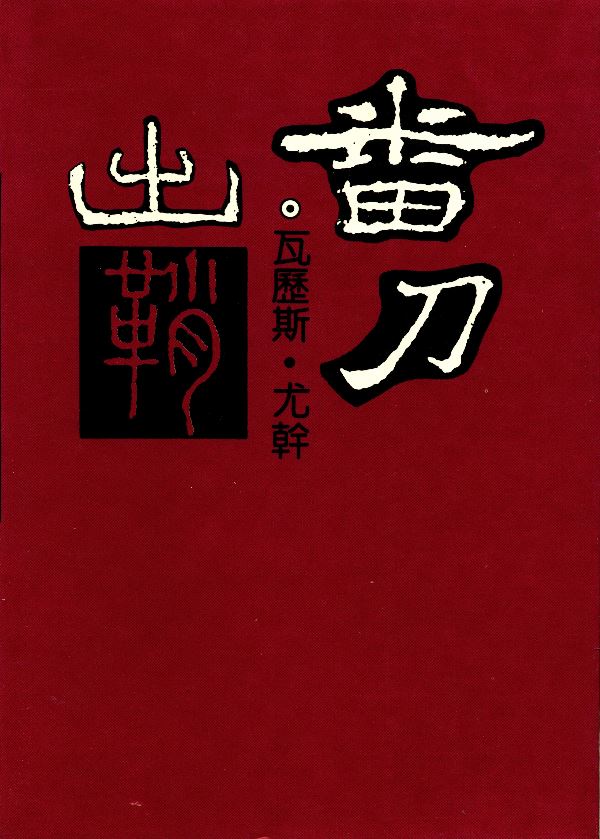
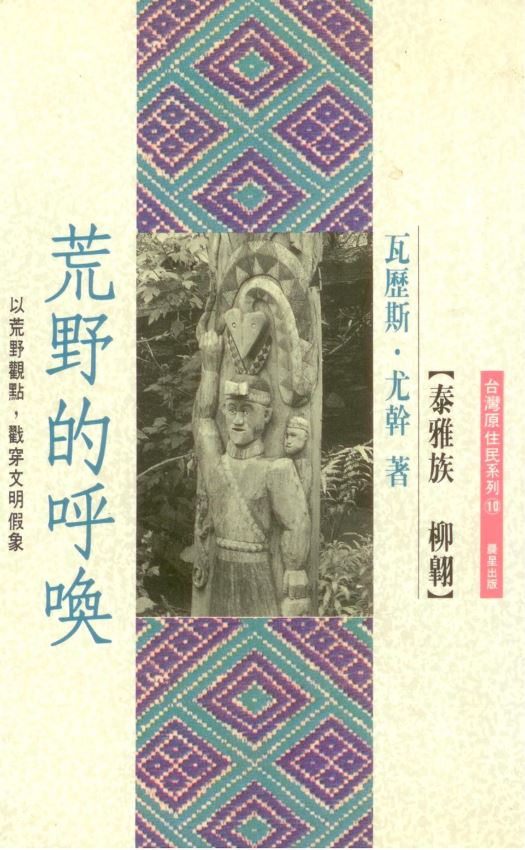
Readings
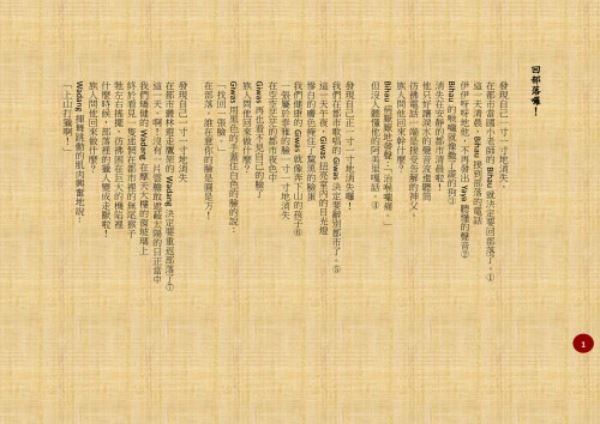
“Back to the Tribe!”
Courtesy of Walis Nokan
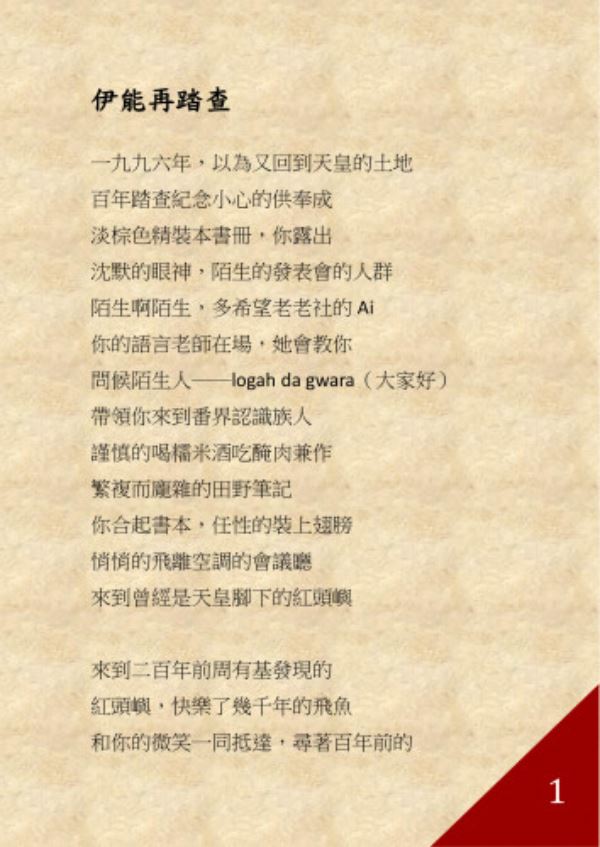
“He Makes another Survey”
Courtesy of the Taipei Chinese PEN
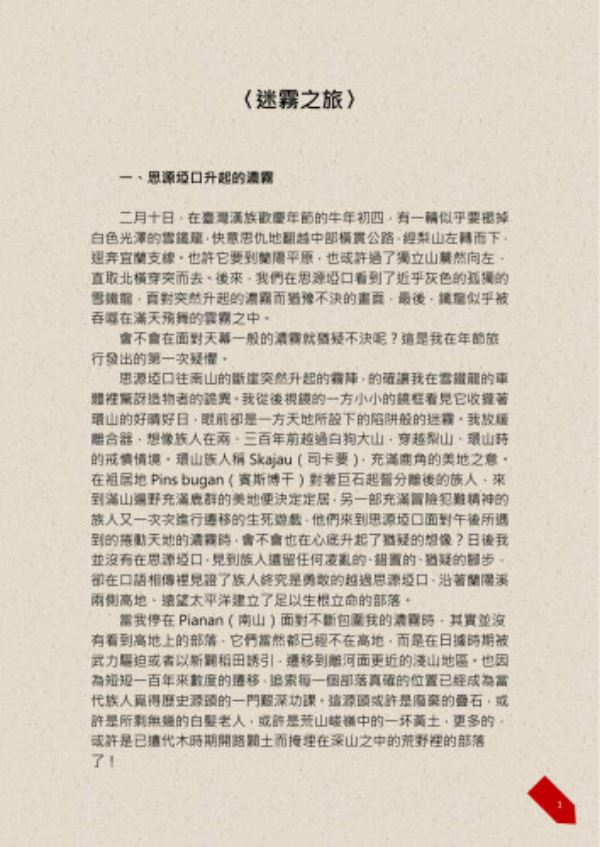
“Journey Into The Fog”
Courtesy of the Taipei Chinese PEN
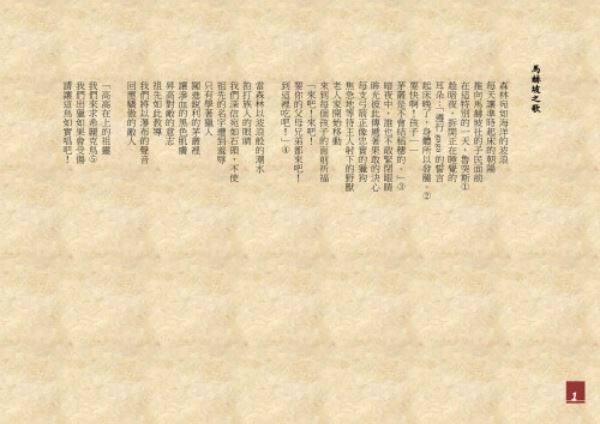
“Song of Mahepo”
Courtesy of Walis Nokan
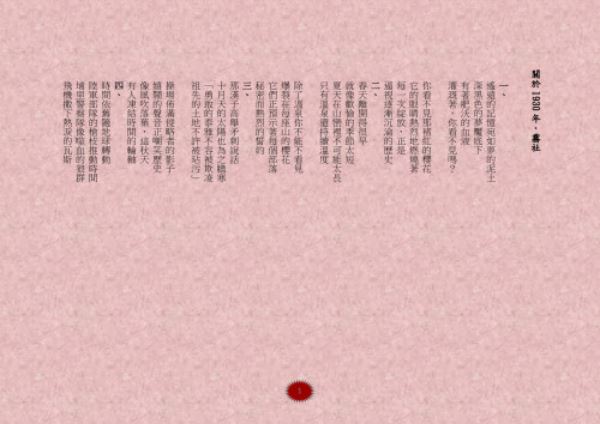
“About 1930, Wushe”
Courtesy of Maghiel van Crevel
Videos

He Makes Another Survey
Courtesy of Walis Nokan

Concerning Atayal
Courtesy of Walis Nokan

Atayal (War, 1896-1930)
Courtesy of Walis Nokan

Song of Mahepo
Courtesy of Walis Nokan
Translations
All
・
English
・
Japanese
・
French
・
Czech
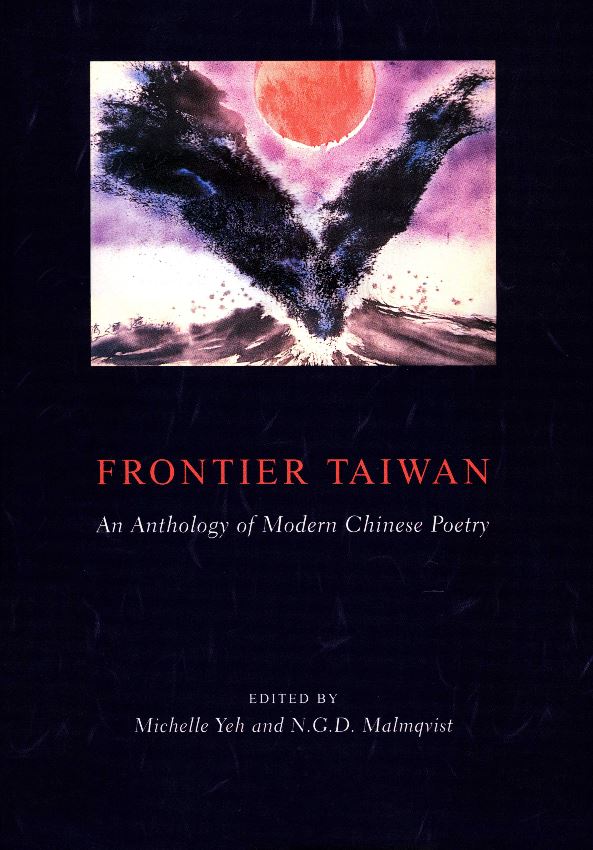
Frontier Taiwan: An Anthology of Modern Chinese Poetry
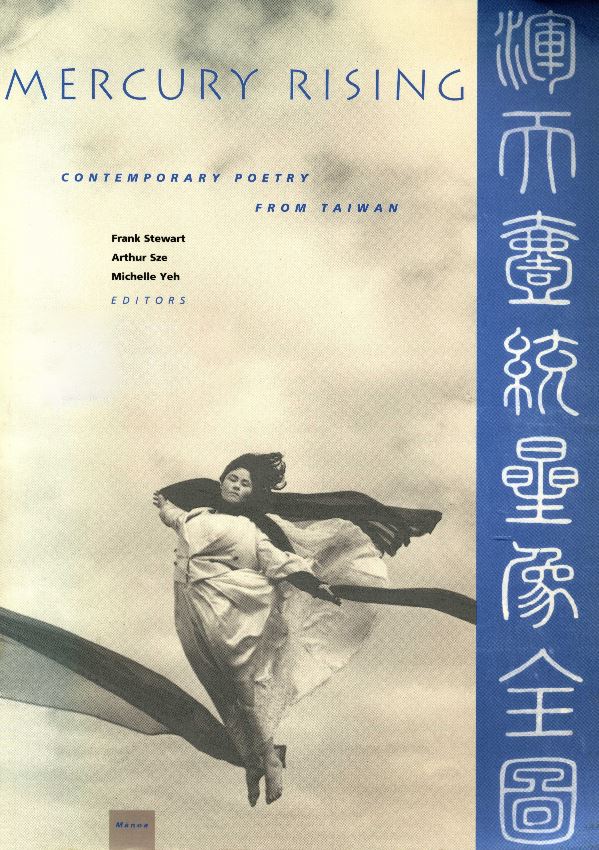
Mercury Rising: Featuring Contemporary Poetry from Taiwan
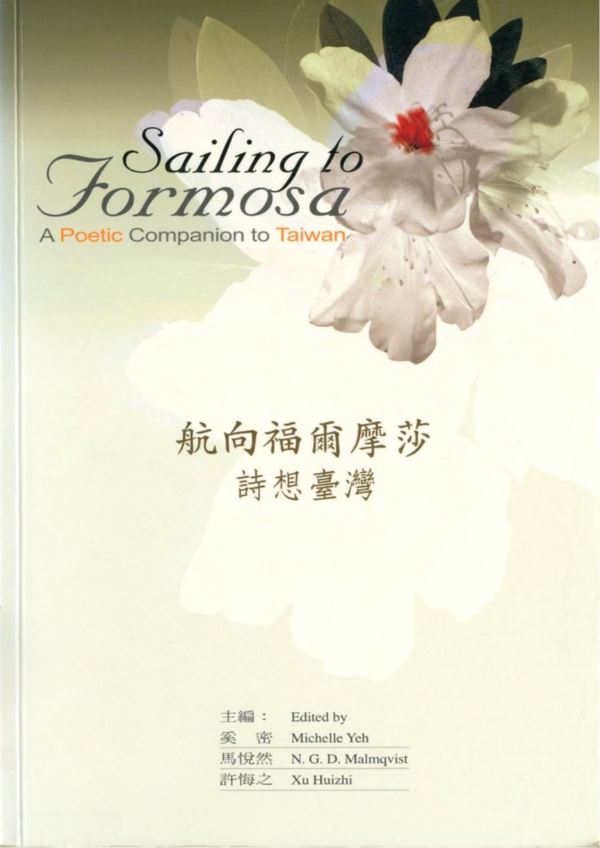
Sailing to Formosa: A Poetic Companion to Taiwan
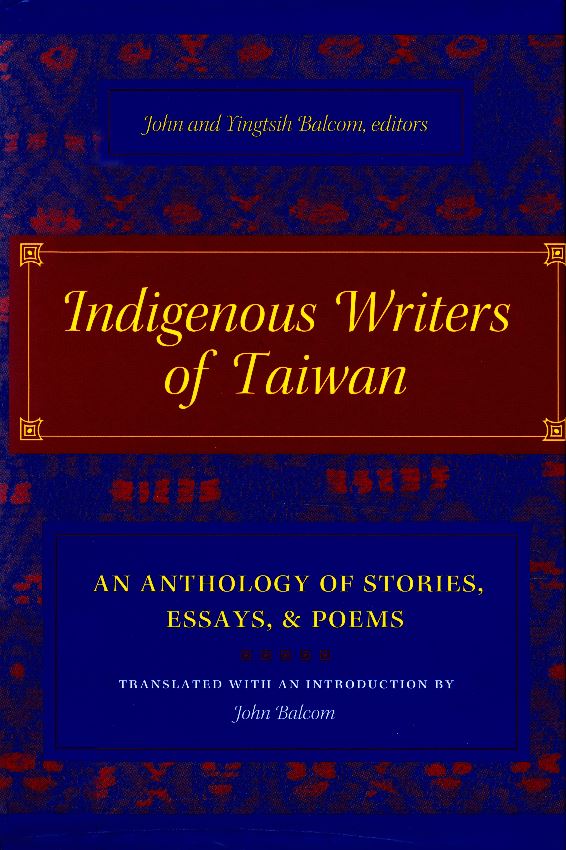
Indigenous Writers of Taiwan : An Anthology of Stories, Essays, & Poems
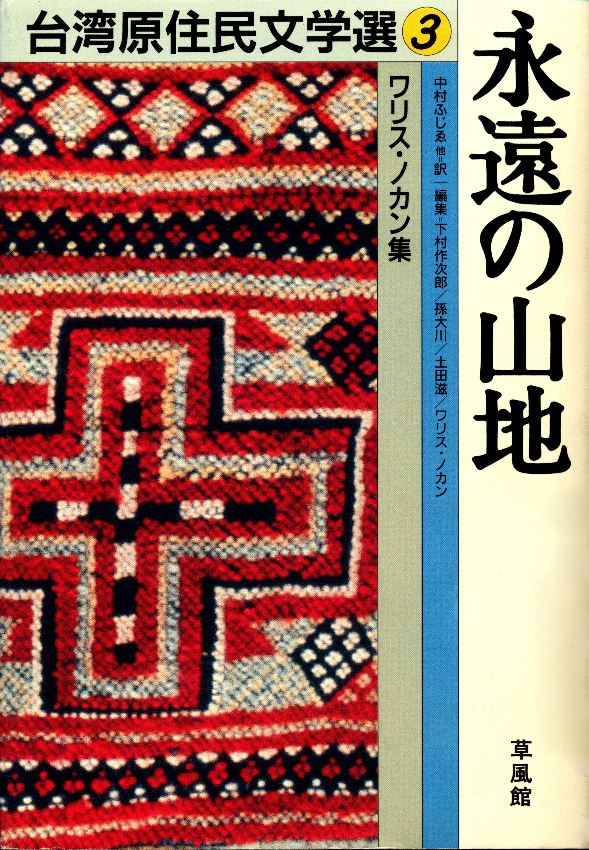
永遠の山地:ワリス.ノカン
Bibliography
All
・
Books / Book chapters
・
Master theses / Doctoral dissertations
・
Journal articles / Newspapers
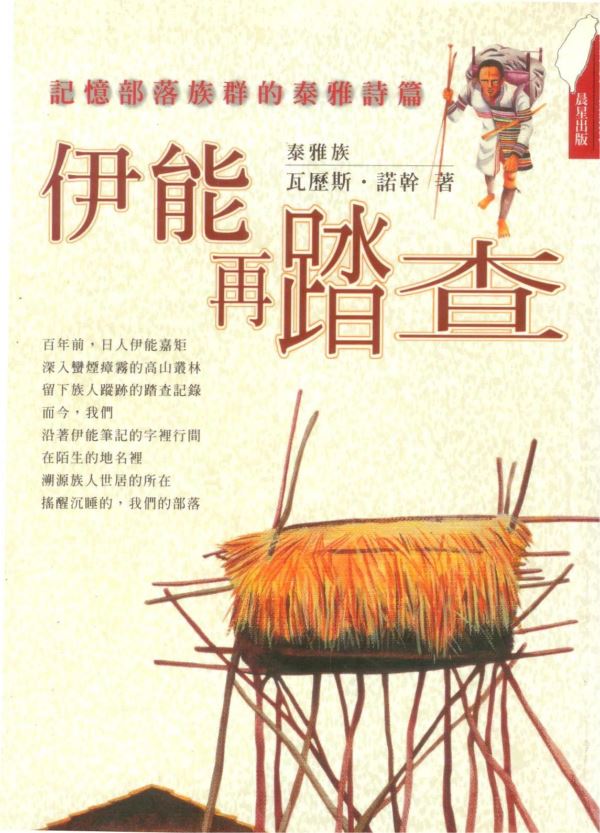
Ino Kanori’s On-the-spot Survey: Recording the Poems of Atayal Tribal Groups
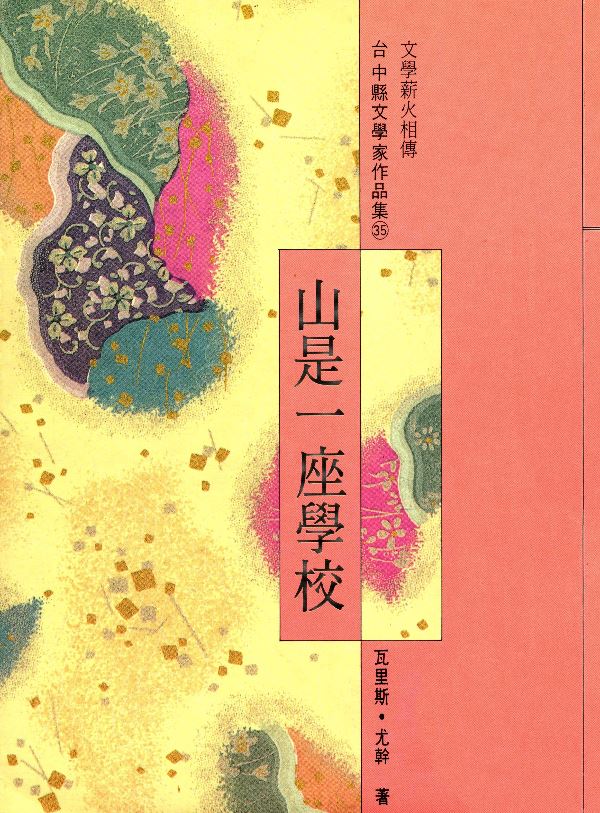
The Mountain is a School
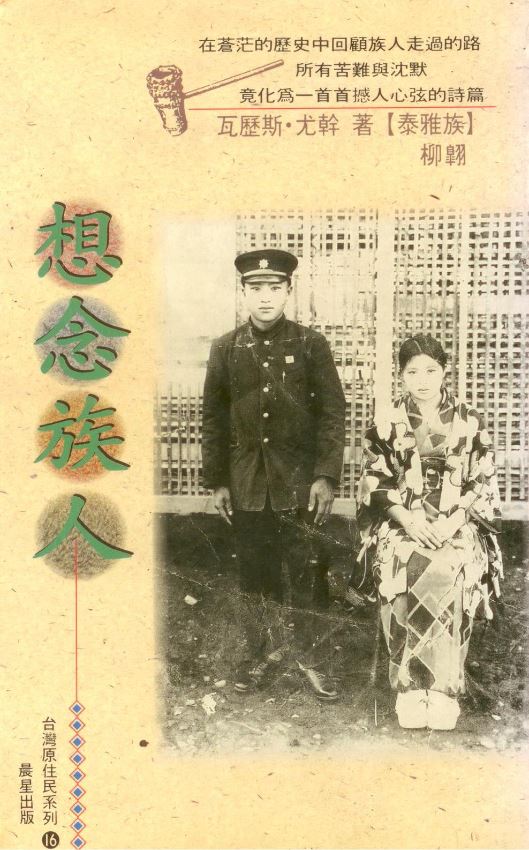
Longing for My Tribe
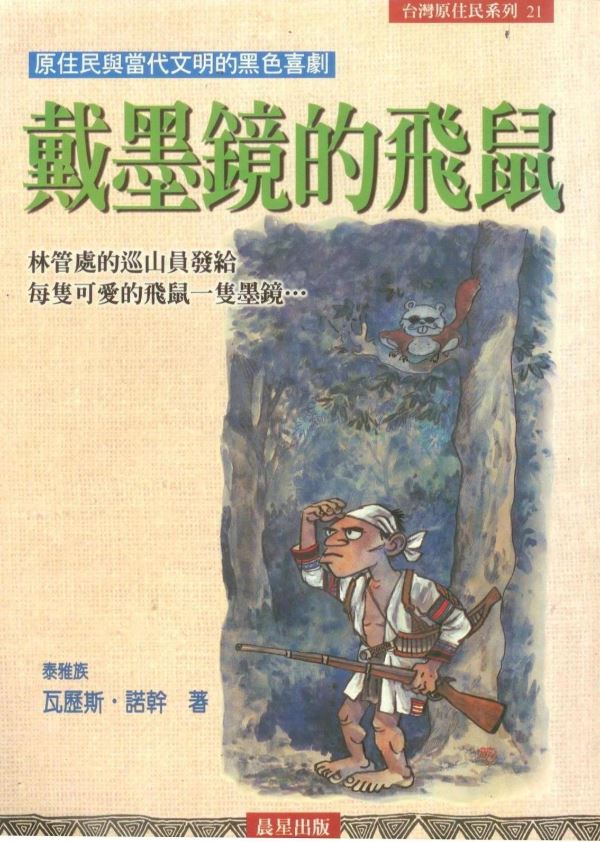
The Flying Squirrel with Sunglasses
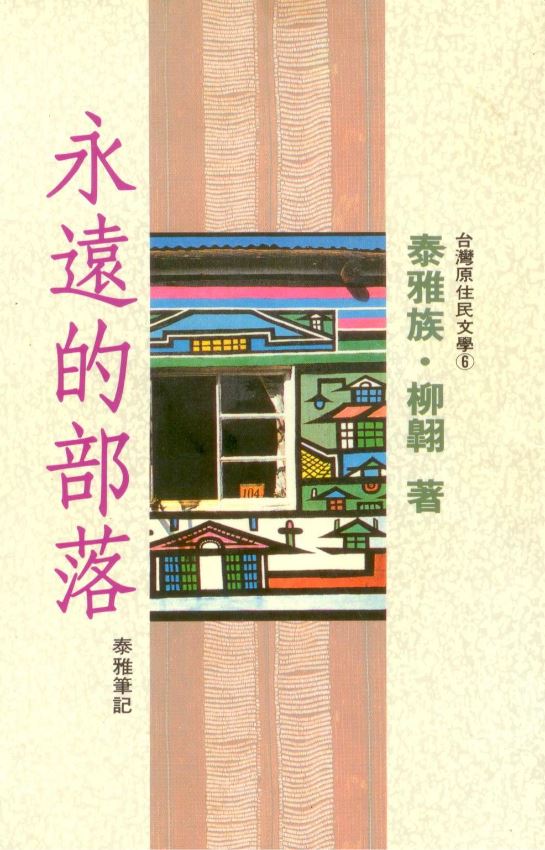
Eternal Tribe
Origin
Established in 2016, Walis Nokan Digital Archive was funded by the National Museum of Taiwan Literature and constructed by the digital team at the National Chung Hsing University. With an introduction written by the writer himself, the archive presents the aboriginal writer Walis Nokan’s life and literature development with the technique of Timeline JS and contains detailed information, foreign translations, online reading of his works as well as related audio, video and research sources, showing the significance of the writer’s historical data and digital curating of Taiwanese literature. For online reading, the archive provides both the English and Chinese versions of the works “Ino’s Second Survey on the Spot,” “Atayal,” and “Journey of Mist” with the writer’s oral reading to enrich multi-media interpreting experience.
We would like to express gratitude to the following people who helped construct this archive: Taipei Chinese PEN, Embassy of the Republic of China in Nicaragua, Taiwan Cultural Center in Paris, Indigenous Peoples Cultural Foundation, Tzu Chi Culture and Communication Foundation, Professor Tu Kuo-ching (UC Santa Barbara, USA) Professor Maghiel van Crevel ( Chinese Language and Literature Department, Leiden University, Netherlands), Dr. Wei Yi–Chun ( Department of Sinophone Literatures, National Dong Hwa University) English translators Fran Lee Chieh-Hsi and Howard Shih Hsiung-hao, Mr. Chen Che-Wei, and Mr. Cheng Sheng-Yi. The digital team at NCHU includes Dr. National Museum of Taiwan Literature (NMTL). Those seeking to download, copy, change, distribute, publicly release or use the material in any other way must first acquire the consent of NMTL reserves all legal rights for unauthorized use.
Meet the team
Director: Chiu Kuei-fen
Consultant: Walis Nokan
Web content editor: Hsu Kuo-ming
Web designer: Yoong Jun-yao , and Hung Chien-mei
English website translator: Fran Lee Chieh-Hsi and Howard Shih Hsiung-hao